Kikumasamune releases its first gold-medal sake, limited to 500 bottles
Nada major Kikumasamune Shuzo has, for the first time, turned a daiginjo that won gold at the National New Sake Appraisal into a product, on sale in a run of just 500 bottles.
A gold-medal sake to be sold for the first time
Kikumasamune Shuzo, headquartered in Higashinada Ward, Kobe, went on sale on 13 October with a daiginjo that won gold at the National New Sake Appraisal for the 2025 brewing year (sake brewed between July 2025 and June 2026), the seventh year of Reiwa. Daiginjo is the top class of Japanese sake, made from rice polished heavily and fermented slowly at low temperature. It is sold only through the company’s official online shop and the Kikumasamune Sake Museum in Kobe, and only 500 bottles have been made. Each bottle holds 720 ml, with a suggested retail price of 6,800 yen before tax. Orders opened on the online shop on 1 October. This is the first time the company has turned a gold-medal sake into a product.
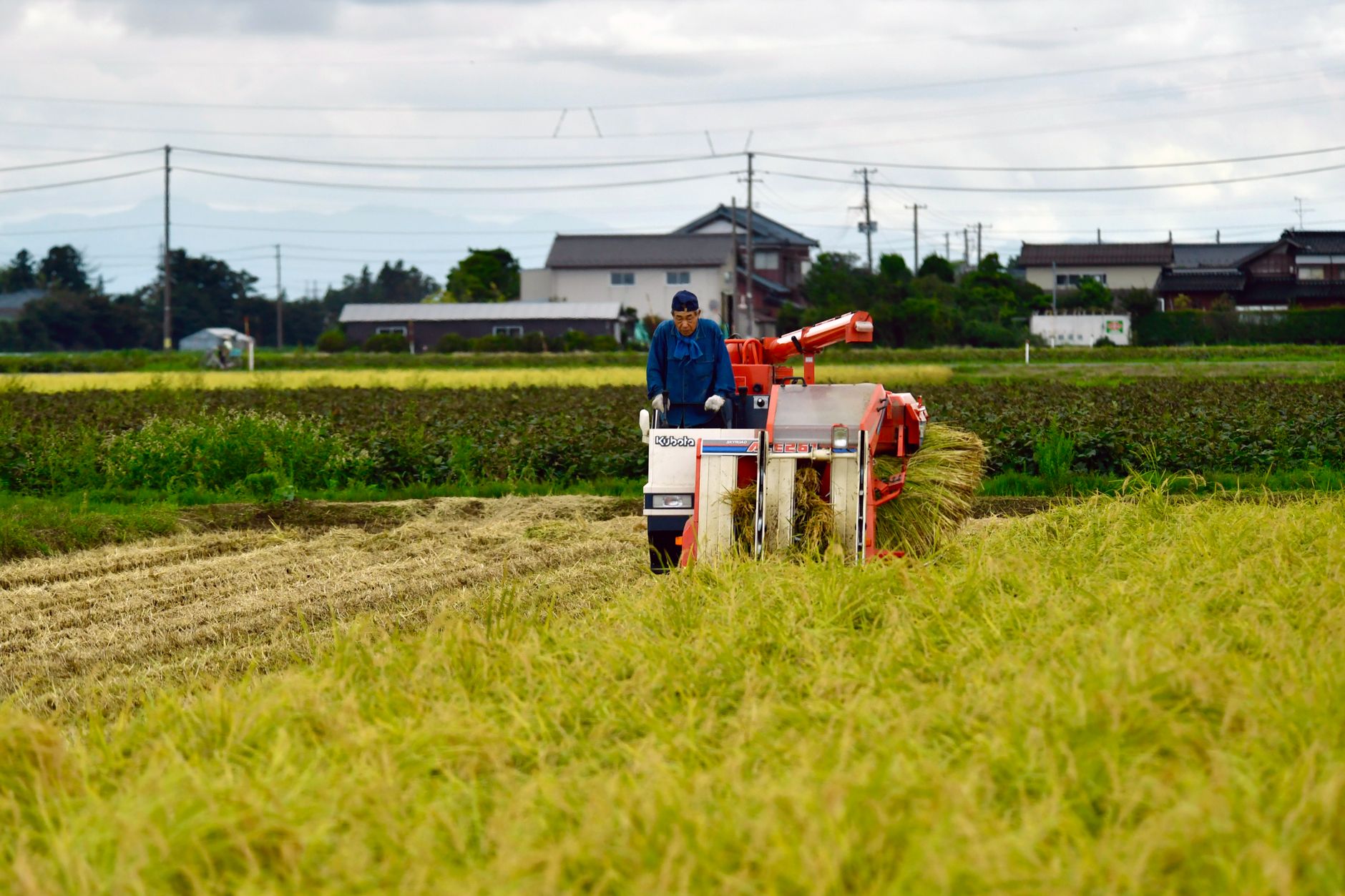
The rice is Yamada Nishiki grown in the Yoshikawa and Kuchi-Yoshikawa districts of Miki, Hyogo Prefecture. Yamada Nishiki is known as the “king of sake rice”, and the most highly regarded growing areas in Hyogo are ranked as “Special A districts”. Nada, where Kikumasamune is based, is the coastal area of Kobe and Nishinomiya that has been known as one of Japan’s leading sake-producing regions since the Edo period.
What a gold medal at the appraisal means
The National New Sake Appraisal is a competition jointly organised by the National Research Institute of Brewing, a state research body, and the Japan Sake and Shochu Makers Association. It began in the Meiji era, has a history of more than 100 years, and announces its results around May each year. In recent years more than 800 breweries across the country have entered, and gold awards go to the best of that year’s new sake. It was originally a forum for raising brewing skills, and for a brewery a gold medal is an honour that shows the ability of its toji (master brewer) and brewers.
Sake entered in the appraisal is often brewed specially in small quantities for judging and rarely reaches the general market. What makes this release interesting is that a major producer, better known for mass production, is putting one of these sakes on sale as a product, even if in a limited run.
Enjoying it in Europe
These 500 bottles are unlikely to reach Europe, but daiginjo advertised as gold-medal winners, and sake made with Yamada Nishiki from Hyogo Prefecture, can be found in specialist sake shops across Europe. Sake brewed for the appraisal tends to prioritise a showy aroma and a smooth mouthfeel. We recommend chilling it to around 10 degrees and sipping it slowly from a white wine glass, in which the aroma opens up easily. It pairs well with delicate starters such as white fish carpaccio or shellfish, which bring out the fragrance. If the label shows the brewing year, you can also tell which year the sake was made.
Sources Nihon Shokuryo Shimbun, “Kikumasamune Shuzo, National New Sake Appraisal ‘Gold Medal Sake’ on sale in a limited run of 500 bottles” SAKE Street, “What is the ‘National New Sake Appraisal’? Is a gold medal really a big deal? A thorough guide to the closely watched sake contest” SAKE Street, “Ten gold medals in a row at the National New Sake Appraisal: the brewer-toji on the secret to winning”
Sources
- 日本食糧新聞「菊正宗酒造、全国新酒鑑評会「金賞受賞酒」 500本限定発売」
- SAKE Street「「全国新酒鑑評会」とは?金賞ってすごいの?注目の日本酒コンテストを徹底解説!」
- SAKE Street「全国新酒鑑評会で金賞を10回連続獲得。蔵元杜氏が語る受賞の秘訣とは - 栃木県・辻善兵衛商店(桜川・辻善兵衛)」
This article was written by The Sake Wire editorial team, summarising the public sources listed above. Images are our own.
Try Akita sake in the EU — from €6
180 ml tasting bottles and full-size sake, wine, beer and gin, shipped from Amsterdam within the EU.


