Shochu exports up 16%, with Europe as the next target after whisky
Japan's exports of honkaku shochu rose 16% year on year in 2025, and producers are now pitching shochu as the next spirit in Europe, where Japanese whisky has already taken root.
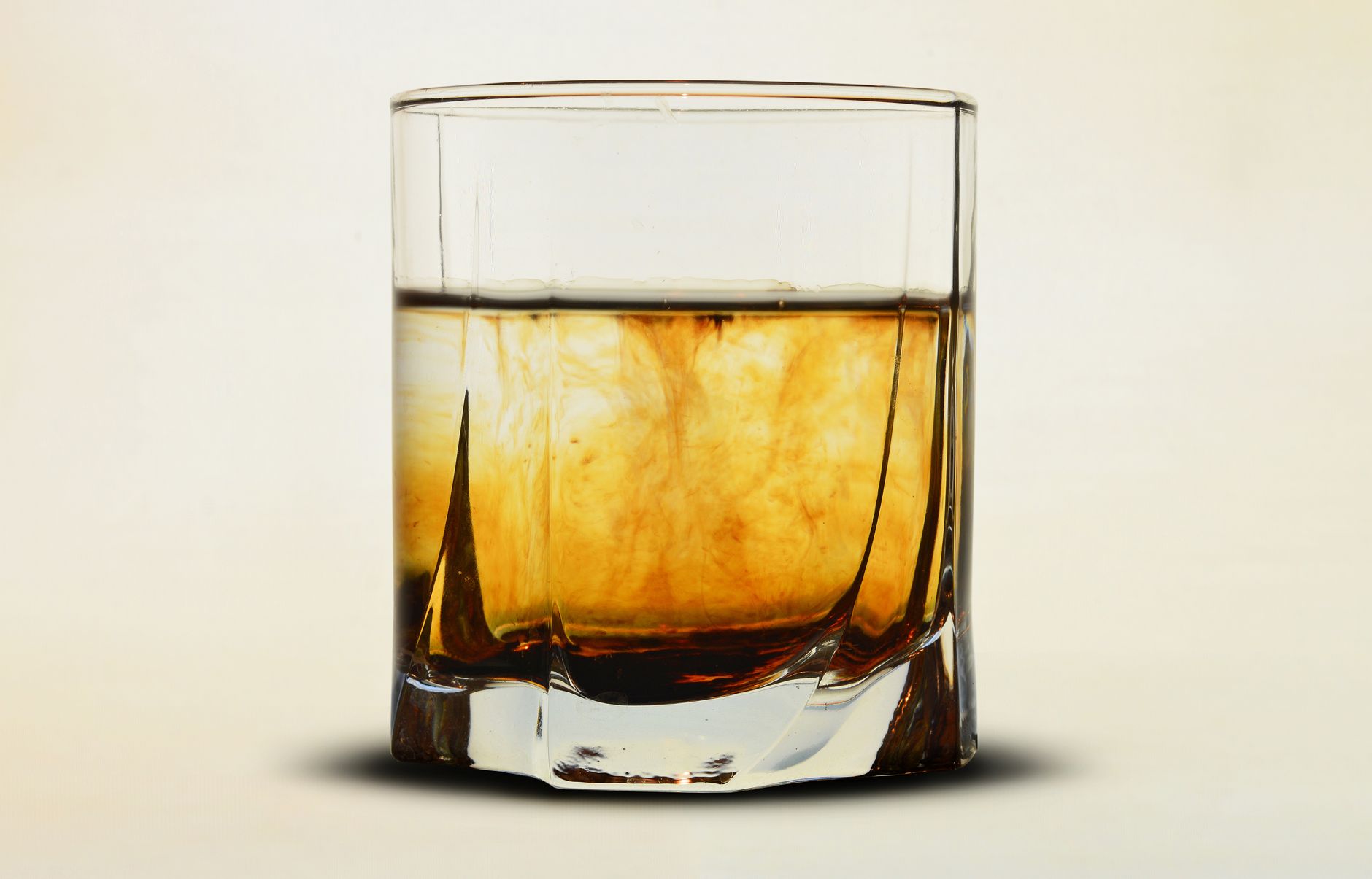
According to the Japan Sake and Shochu Makers Association, exports of otsu-rui shochu in 2025 were worth 1.56 billion yen, up 16% on the previous year. Otsu-rui shochu is shochu distilled just once in a pot still, and is also known as “honkaku shochu”. Its defining feature is that the flavour of the raw ingredients, such as rice, barley or sweet potato, remains clearly present. The main export destinations are East Asia, including China and South Korea; South-East Asia, including Singapore and Vietnam; and the United States and Canada. No European country ranks among the top ten, whether by value or by volume.
Japanese whisky won recognition in Europe first
Europe is nonetheless seen as holding promise because of whisky’s track record. In the Ministry of Agriculture, Forestry and Fisheries’ 2025 export results by product category, the Netherlands ranked third among destinations for Japanese whisky (6.14 billion yen) and France fourth (3.64 billion yen). Exports to the EU totalled 10.67 billion yen, a little over 20% of all whisky exports. The Japanese industry hopes to follow this trend and spread shochu, another distilled spirit, across Europe. The Japan External Trade Organization (JETRO) has long supported efforts to open up sales channels for shochu in Europe and North America, holding business meetings in Europe for Kuma shochu from Kumamoto Prefecture and inviting overseas buyers to production areas. Kuma shochu is a rice shochu made mainly from domestically grown rice in the Hitoyoshi-Kuma region of Kumamoto Prefecture, and is protected by a Geographical Indication (GI) that restricts it to that area.
A cask-aged rice shochu adopted by a London sushi restaurant
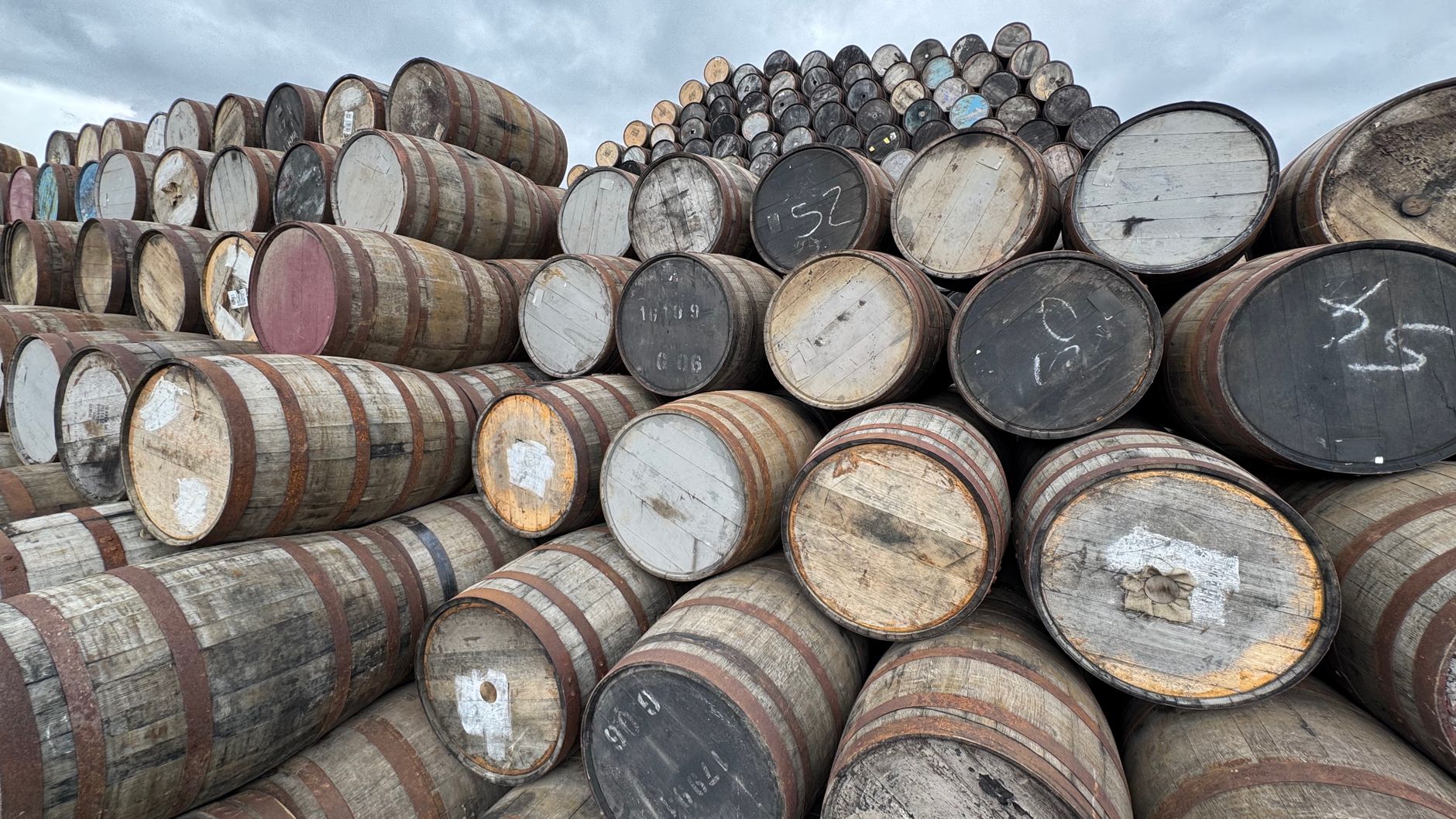
A concrete example in Europe can be found in London. The sushi restaurant “eel sushi”, which opened in May 2025, is run by Chris D’Sylva, owner of the one-Michelin-star restaurant “Dorian”. Since October 2025, it has served “Kinshiro” from Takahashi Shuzo (Hitoyoshi, Kumamoto Prefecture), the largest producer of Kuma shochu. Kinshiro is a honkaku rice shochu aged in several casks, with a rich aroma reminiscent of whisky. The restaurant came to stock it after an invitation-only reception at the neighbouring gallery, “Keiko Uchida”. Takahashi Shuzo served the shochu to guests, and a member of the restaurant’s team who tried it is said to have decided on the spot to carry it.
Choosing a flavour that serves as a gateway

Akimi Dekita of Takahashi Shuzo’s Overseas Sales Division says that Kinshiro, whose cask ageing gives it a flavour close to whisky, is easy for people overseas to take to and can be a way of getting them to discover shochu. The company intends to expand overseas sales mainly with products whose taste is readily accepted locally, such as “Ginshiro”, which has an aroma close to that of sake.
For anyone in Europe who has not yet tried shochu, it is a good idea to choose as you would with whisky or gin, paying attention to the ingredients and the method of production. A label reading “honkaku shochu” or “Kuma shochu” indicates a single-distilled shochu in which the character of the raw ingredient comes through. Whisky lovers may find it easiest to start with a cask-aged rice shochu, and sake lovers with a type that has a showy aroma. Begin by tasting it neat or on the rocks to appreciate the aroma, then add water and enjoy how it changes.
Sources
This article was written by The Sake Wire editorial team, summarising the public sources listed above. Images are our own.
Try Akita sake in the EU — from €6
180 ml tasting bottles and full-size sake, wine, beer and gin, shipped from Amsterdam within the EU.


