Japanese sake heads to the Spanish market: first Japan Pavilion at Alimentaria
Japan's National Tax Agency has for the first time staged a Japanese alcohol pavilion at one of southern Europe's largest food fairs in Barcelona, pairing sake with jamón and tapas.
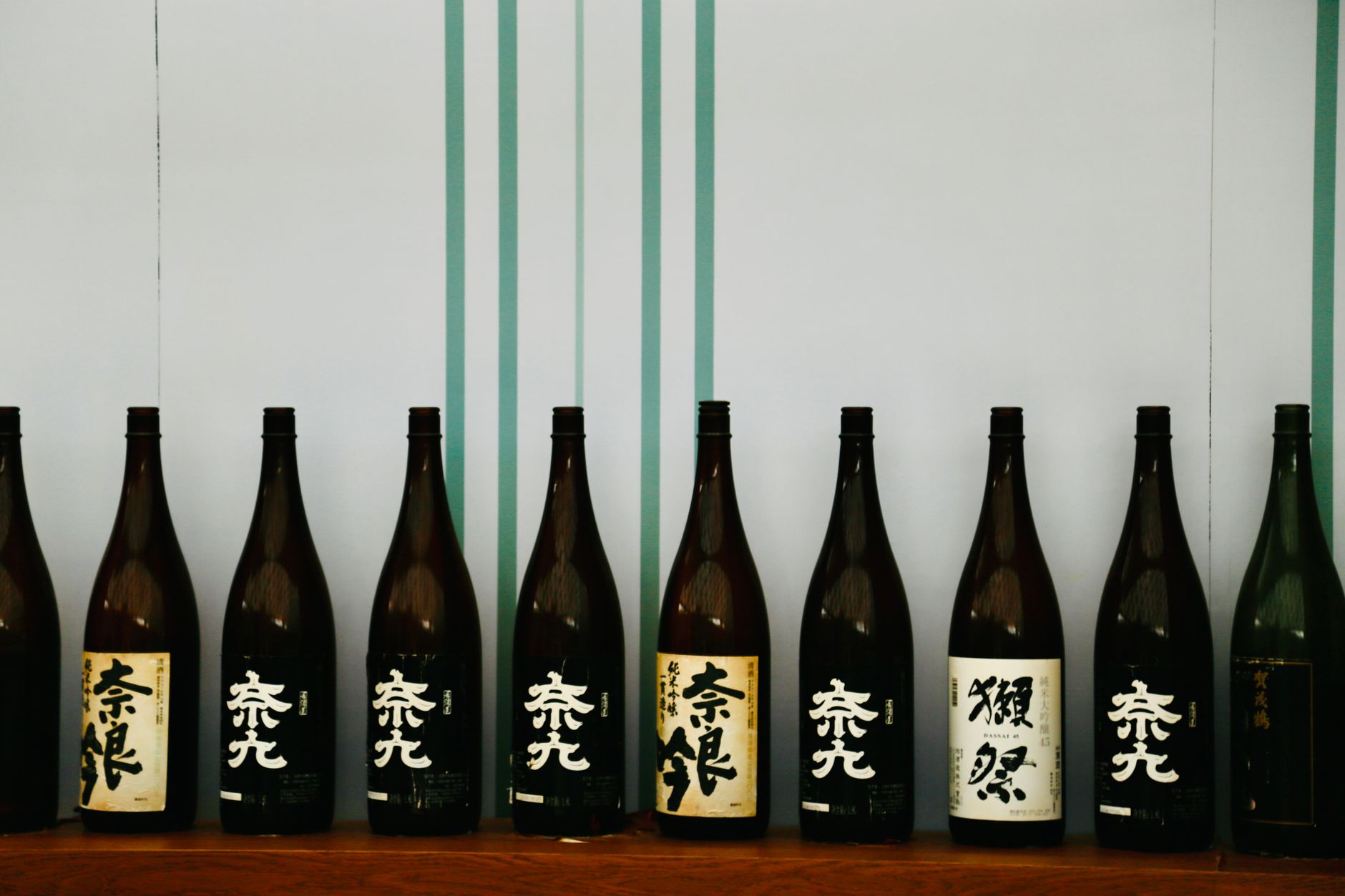
The National Tax Agency of Japan, which oversees the country’s alcohol policy, has for the first time staged a Japan Pavilion for Japanese alcoholic drinks at Alimentaria 2026, the food fair held in Barcelona, Spain, from 23 to 26 March 2026. According to a report by JETRO (the Japan External Trade Organization), nine companies and organisations took part. They included sake and liqueur makers, trading companies, an export logistics firm, and a group promoting long-aged sake (koshu), joined by a Spanish importer. It was a presence built together with local distribution networks. Japan’s alcohol exports to Spain are still small in scale, but they are growing.
Tastings with tapas and jamón
A wide range of drinks was on show: cloudy nigori sake, sake brewed in the kimoto style (a traditional method of starter-making in which natural lactic acid bacteria are patiently cultivated), liqueurs such as plum wine and yuzu liqueur, and even Japanese craft gin. Every day at the booth, visitors could compare the drinks alongside Spanish tapas, jamón and Japanese yellowtail (hamachi) and red sea bream (madai), giving them a taste of the breadth of Japanese alcohol.
At the seminar, Pablo Alomar, president of S&A, a sake importer in Spain, took the stage. He explained that sake is not a spirit but a brewed drink with umami, and that, like wine, it can be enjoyed with a meal. He was followed by Hideki Matsuhisa, owner-chef of the Michelin-starred Japanese restaurant Koy Shunka in Barcelona, who demonstrated pairings with food. Mr Matsuhisa said that sake does not wash the food out of the mouth but blends with it and extends its flavour.
Deals born at a trade meeting in Japan

One of the exhibitors, Kanegasaki Yakuso Shuzo of Iwate Prefecture (in north-eastern Honshu), struck a deal with a Spanish buyer at a food export business meeting that JETRO held in Japan, and exhibited at the fair in Spain for the first time this year. Strategies varied from company to company: some made use of their importer’s sales channels, while others set out to popularise sake cocktails.
Japan’s alcohol exports to Spain in 2025 came to about 320 million yen. That ranks only 26th among export destinations worldwide, but it has grown by 45% over the past three years. The National Tax Agency supports overseas expansion through the Japan Alcoholic Beverages Export Promotion Consortium (SAKE-CONSO), which links domestic producers with export trading companies. An agency official expressed hope that the market would grow further in Spain, a country whose food culture is similar to Japan’s.
A major southern European business forum turns 50
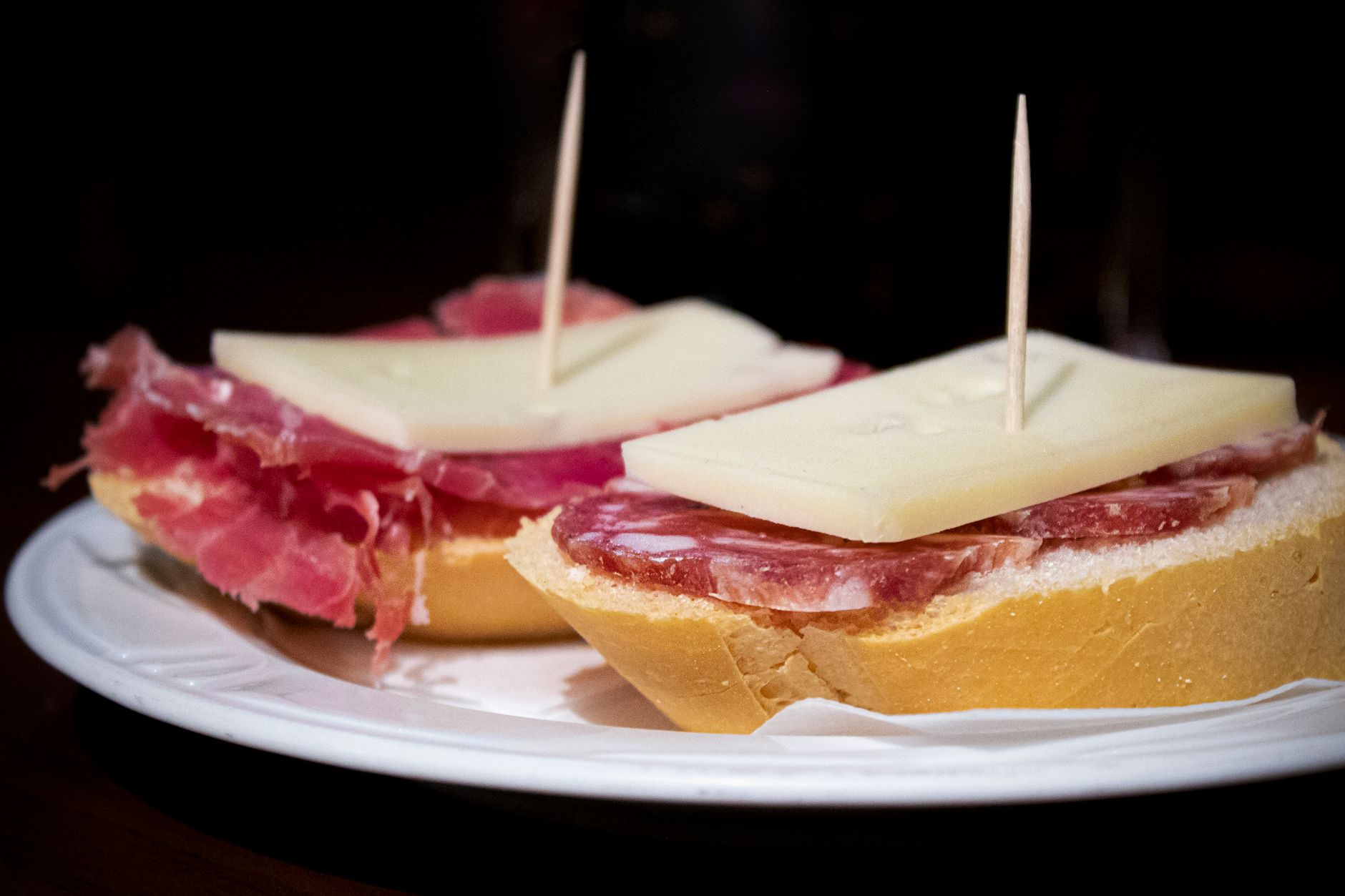
Alimentaria marked its 50th edition this year. Around 110,000 visitors from about 120 countries attended, and more than 3,300 companies exhibited. Because it is held together with Hostelco, a trade fair for catering equipment, it is a business event that draws not only food buyers but also many people from the hospitality trade, such as chefs and sommeliers. The next edition is scheduled for 20 to 23 March 2028.
If you get the chance to try sake in Europe, do not assume it is a drink only for Japanese food; try it with Mediterranean dishes too. Kimoto-style sake has acidity and a firm umami, and is said to pair easily with cured jamón, olives and seafood tapas. Nigori and yuzu sake are also used as aperitifs and in cocktails. Some Japanese restaurants and wine bars in Spain and Portugal stock sake. Checking the brewing method (such as kimoto) and the style on the list will give you a better idea of how well it will suit your food.
Sources
This article was written by The Sake Wire editorial team, summarising the public sources listed above. Images are our own.
Try Akita sake in the EU — from €6
180 ml tasting bottles and full-size sake, wine, beer and gin, shipped from Amsterdam within the EU.


