Forty years of sake rice farming in one bottle: Junmai "Iidagawa"
A group of sake rice farmers in Katagami, Akita Prefecture, has marked its 40th anniversary by teaming up with local brewer Kodama Brewing to make a junmai sake from rice they grew themselves.

What decides the flavour of sake is not only the brewery’s skill. Who grew the rice, and where and how, also shapes what ends up in the glass. In Katagami, Akita Prefecture, on the Sea of Japan side of northern Honshu, the Iidagawa Sakamai Kenkyukai, a group of farmers who grow rice suited to brewing, has reached its 40th anniversary. To mark the occasion, it joined forces with the local brewer Kodama Brewing to make a junmai sake called “Iidagawa”.
Forty years of growing sake rice
Sake-brewing rice (sakamai, or shuzo kotekimai) is the collective name for varieties bred to have larger grains than table rice and to suit brewing. The research group is an association of sake rice growers in Katagami, and its name comes from the Iidagawa district of the city. The commemorative sake was brewed by a brewery in the same area from rice the farmers grew themselves. The closeness of the rice’s origin and its makers is captured in a single bottle. The fact that the district’s name was used as-is for the brand also makes it clear that this is a sake made from the rice of this land.
A design that uses two rices
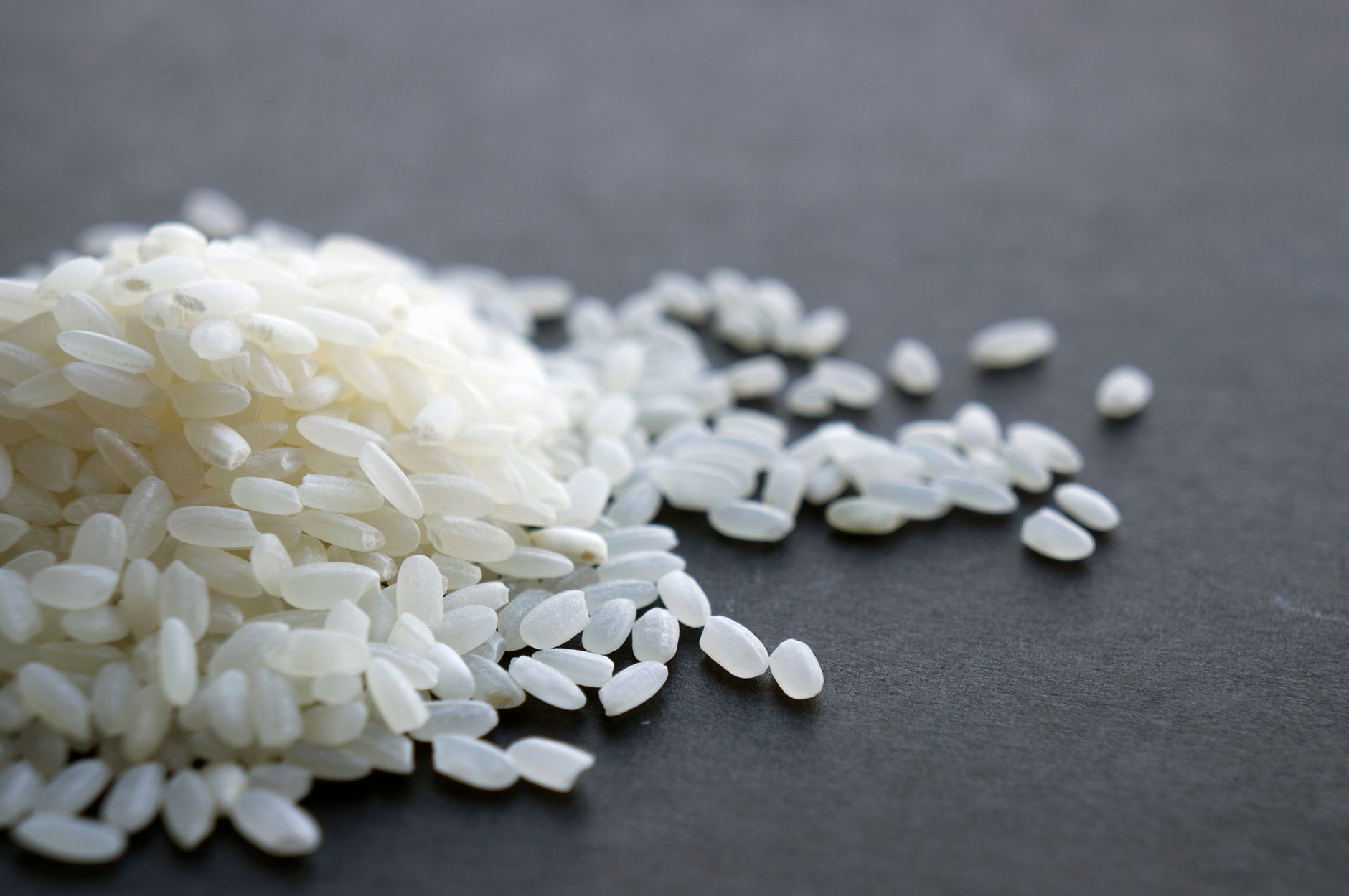
Sake is made from koji, steamed rice on which the koji mould (a type of fungus) has been grown, and from kakemai, the rice added to the fermenting mash in stages. Because koji converts the rice’s starch into sugar, the choice of rice for koji shapes the backbone of the flavour. For “Iidagawa”, the group used Akita Sake Komachi, an Akita sake rice grown by the group, as the kakemai, and Miyama Nishiki as the koji rice. The result is described as a rounded sake: a clean entry typical of Akita Sake Komachi, followed by the savoury depth (umami) of Miyama Nishiki spreading a little later.
Junmai is the category of sake made only from rice, rice koji and water, with no added brewer’s alcohol. Because the character of the rice comes through readily, it is also a style in which differences between varieties are easy to notice.
How to enjoy it in Europe
This commemorative sake is produced in limited quantities and sold mainly at the brewery’s shop, so finding the same bottle in Europe will be difficult. Even so, the story offers a way of enjoying sake. When choosing a bottle, check whether the label or the importer’s description names the rice variety, such as Akita Sake Komachi or Miyama Nishiki, or gives the breakdown between koji rice and kakemai. Even among junmai sakes, a change of rice changes the texture and the finish. Serve it not too cold, in a wine glass, and follow how it changes as the temperature gradually rises; the difference between the initial clean impression and the umami that arrives later becomes easier to grasp. As with the vineyards behind a wine, it is also worth drinking with the thought that there are people who grow the rice behind every sake.
Sources
This article was written by The Sake Wire editorial team, summarising the public sources listed above. Images are our own.
Try Akita sake in the EU — from €6
180 ml tasting bottles and full-size sake, wine, beer and gin, shipped from Amsterdam within the EU.


