Ichinokura holds koshiki-okoshi ritual, starting this season's brewing with new rice
Ichinokura, a sake brewery in Osaki, Miyagi Prefecture, held its koshiki-okoshi ritual on 26 September, opening the season's brewing with new rice.
At sake breweries in Japan, brewing for the coming winter begins when the new rice arrives in autumn. On 26 September, at Ichinokura, a brewing company in Matsuyama, Osaki, Miyagi Prefecture, in the Tohoku region, a ritual known as “koshiki-okoshi” was held at the head-office brewery, formally opening this season’s brewing. The local newspaper Kahoku Shimpo reported the news.
What is koshiki-okoshi?
A koshiki is the large steamer used to steam the rice for sake brewing. Sake is made by growing koji, a type of mould, on steamed rice, and fermenting it while the koji’s action turns starch into sugar. Steaming the rice is therefore the first important step in brewing. Koshiki-okoshi is a ceremony held on the first day of the season that the koshiki is used, praying for safe brewing, and at many breweries it is regarded as the event that announces the start of the season.
From new rice grown in the brewery’s own fields

The rice used this time was “Yamanoshizuku”, an early-ripening (wase) variety harvested on 2 September by Ichinokura Nosha, Ichinokura’s agricultural division. Wase refers to rice that ripens earlier than other varieties. The brewers steamed about 140 kilograms of new rice in a koshiki roughly 2 metres in diameter and set about making koji. A brewery that grows its own rice and starts the year’s brewing with it reflects the attitude of makers who look after everything from raw material to finished sake.
Shiboritate nama sake arrives in November
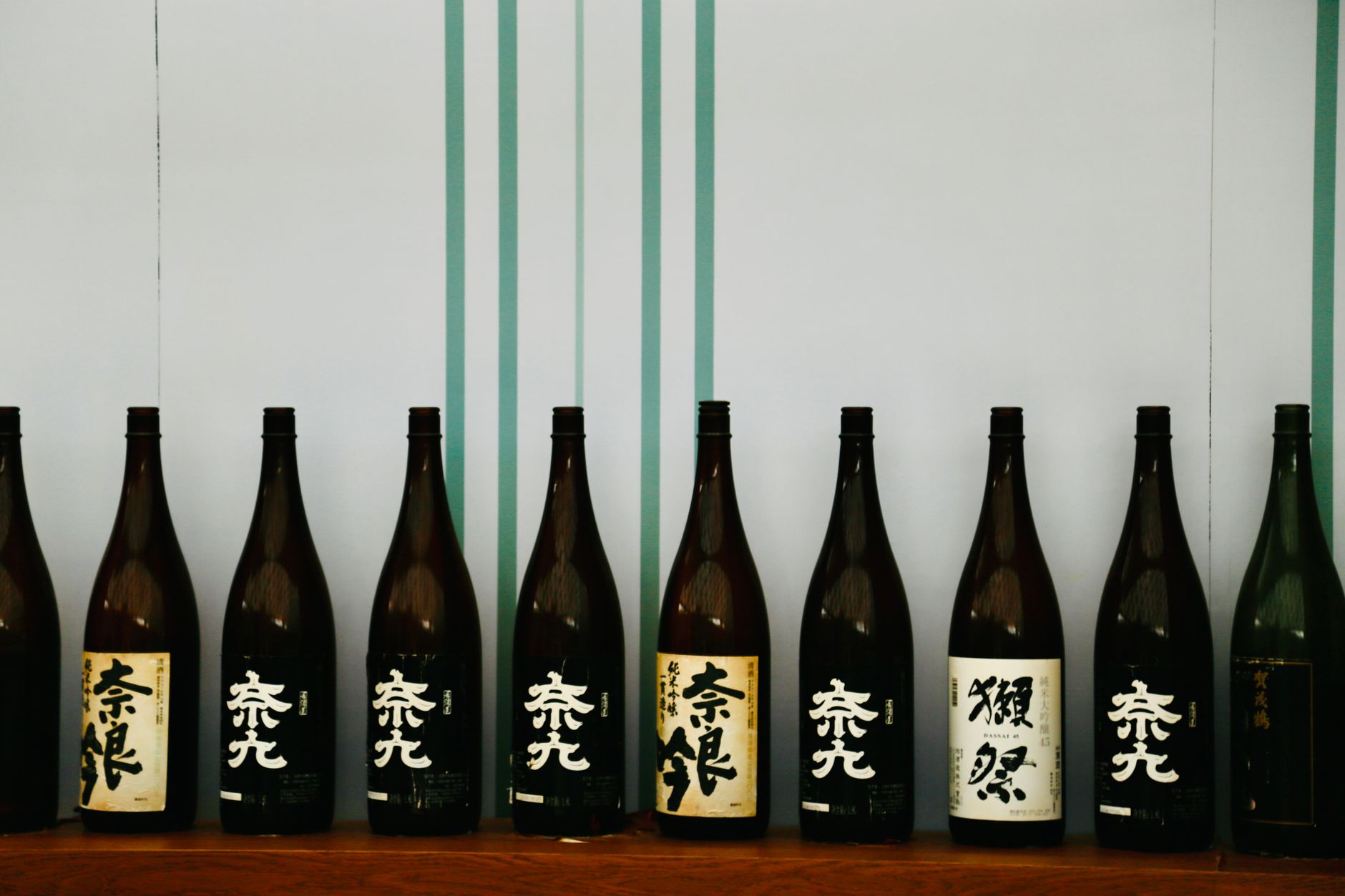
The “Mukansa Honjozo Karakuchi Shiboritate Nama Sake”, brewed from this new rice, will go on sale across Japan from 12 November. Honjozo is sake made with rice milled so that 70% or less of each grain remains (the milling ratio), with a small amount of brewer’s alcohol added to refine the aroma and lightness. “Shiboritate” means freshly pressed from the moromi, and “nama sake” means it has not been heat-pasteurised, which gives it a fresh, lively character. According to Kahoku Shimpo, more than 10,000 bottles, counting both 1.8-litre isshobin and 720-millilitre yongobin, are due to be shipped.
For readers in Europe, unpasteurised nama sake needs refrigerated transport, so it is not easy to get hold of at the same time as in Japan. Even so, knowing the seasonal flow of sake, with brewing beginning in autumn and new sake appearing from winter into spring, changes how you read a label. If you find “nama” or “shiboritate” on a bottle at a specialist shop, chill it well in the fridge and drink it soon after opening. Paying attention to the production date printed on the label also lets you enjoy the sake while picturing which season’s rice it came from.
Sources
This article was written by The Sake Wire editorial team, summarising the public sources listed above. Images are our own.
Try Akita sake in the EU — from €6
180 ml tasting bottles and full-size sake, wine, beer and gin, shipped from Amsterdam within the EU.


