From a tree that survived Nobunaga's fire, new yeast for a lost temple sake
Ten years into reviving Hyakusaiji-daru, a temple sake lost in 1573, researchers are seeking yeast in the flowers of a tree that survived the burning.
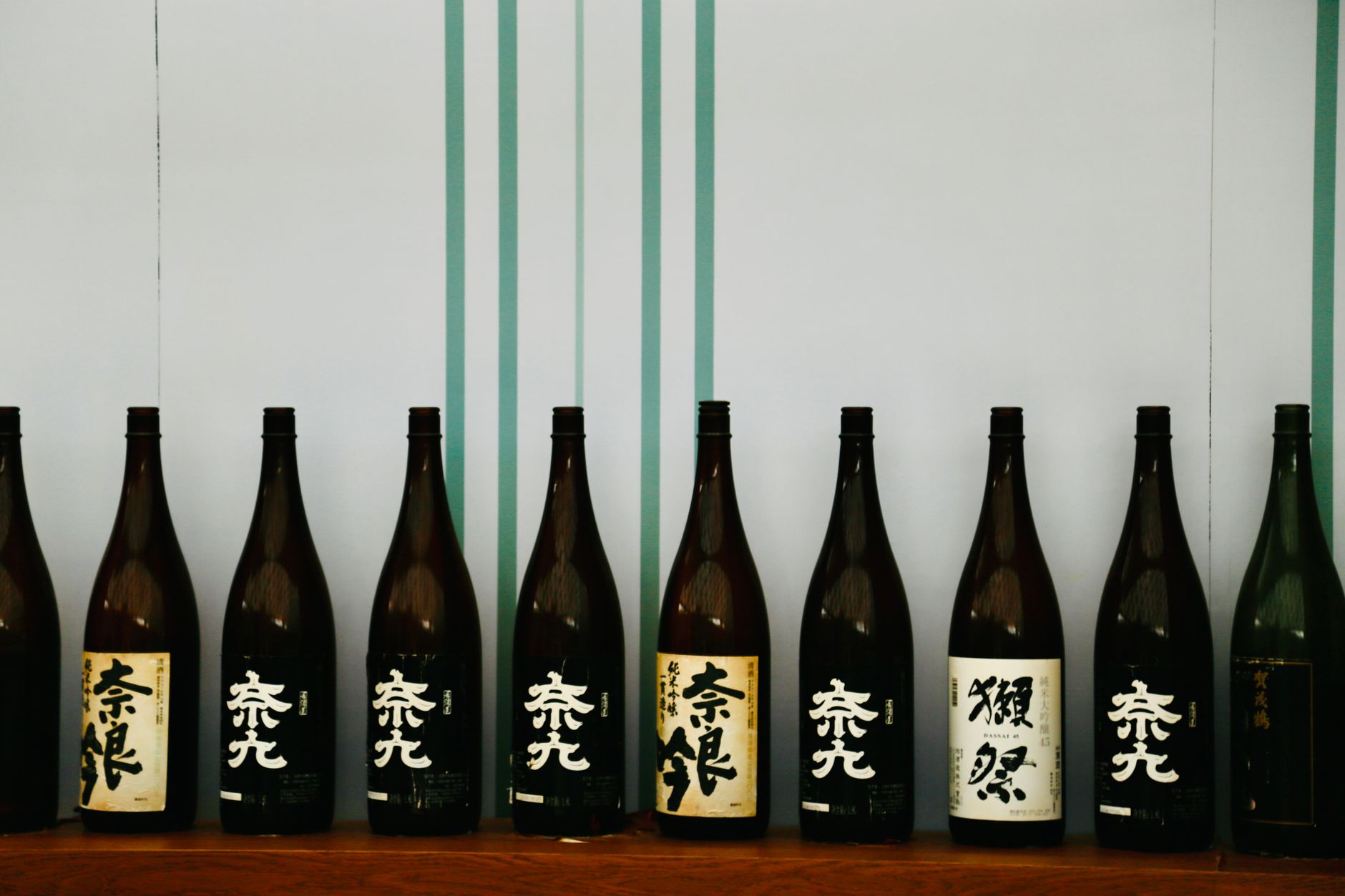
At Hyakusaiji, an old temple in Higashiomi, Shiga Prefecture, a sake called Hyakusaiji-daru was brewed in the Middle Ages. Local people began a project to revive this vanished drink ten years ago. Now, as the next step, research is under way to extract brewing yeast from a single tree that is the symbol of the temple. Kyoto Shimbun reported on it in April 2026.
A revival project that closed a 444-year gap
In medieval Japan, large temples sometimes brewed their own sake, and Hyakusaiji-daru was one such temple sake. In 1573, however, the warlord Oda Nobunaga burned the temple down, and the recipe was lost.
The revival was planned by Ayaka Fujita (38). In 2016 Fujita was posted to the city’s Aito district as a member of its “regional revitalisation cooperation volunteers”, a scheme for boosting local communities. “If we revived it, it would get people talking and give the area a lift,” she thought, and put the idea to the temple. Together with local farmers who grow sake rice and with Kita Shuzo, a brewery in the same city, she brought the sake back in 2017 after 444 years. A new sake has been released every year since.
Seventeen strains from a bodhi tree that survived the fire

As the project reached its ten-year milestone, Fujita felt she wanted to give a little more back to the temple. While talking with Mayuko Kita, president of Kita Shuzo, they thought of the bodhi tree standing in the temple grounds. The tree called a bodhi tree in Japanese temples is generally a kind of linden, which bears small flowers in early summer. The bodhi tree at Hyakusaiji is said to have survived Nobunaga’s burning.
The research is being carried out by the Shiga Prefectural Industrial Technology Center, a prefectural research institute in Ritto, Shiga. Researchers have isolated 17 strains of microbes from the tree’s flowers and cultured them, running trial brews while examining their properties as yeast. Japan has long had sake made with yeast taken from flowers, which can give a distinctive aroma and flavour. Which strain is best suited to brewing is not yet known. Fujita says, “The research is still at an early stage, but we want to look 100 years ahead and aim for a sake at the cutting edge of its time.” It may be possible, she adds, to brew a new sake with local sake rice and this “Hyakusaiji yeast” before long.
For European readers: savouring both history and microbes

For now, Hyakusaiji-daru is a small local undertaking and not a sake you can buy in Europe. Still, the story suggests ways to enjoy sake more. One is to pay attention to sake yeast. If a label or an importer’s description names the yeast type or mentions flower yeast, try tasting bottles side by side to see how the aroma changes even with the same rice and the same brewery. The other is to look for sake from Shiga Prefecture. Surrounding Lake Biwa, Japan’s largest lake, the prefecture has many old temples and breweries, and sake tied to its history. Whether the yeast from a tree that outlived the fire will become sake depends on the trials, and the results are eagerly awaited.
Sources
This article was written by The Sake Wire editorial team, summarising the public sources listed above. Images are our own.
Try Akita sake in the EU — from €6
180 ml tasting bottles and full-size sake, wine, beer and gin, shipped from Amsterdam within the EU.


