Hakutsuru opens new carton-only plant in Nada, Kobe
Hakutsuru Sake Brewing has opened a filling plant dedicated to paper cartons in Nada Ward, Kobe, and is also moving into contract filling of other companies' alcoholic drinks.
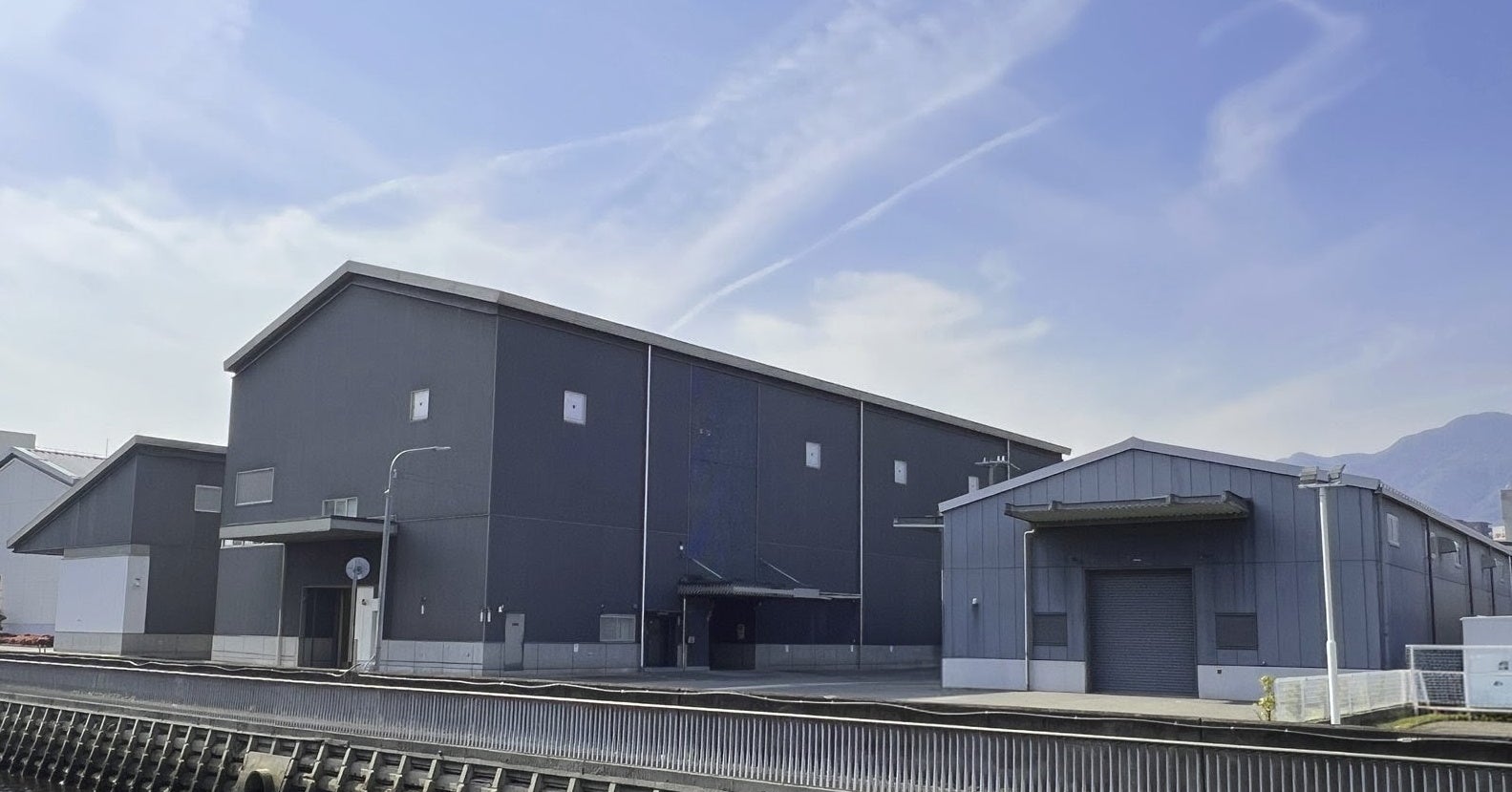
On 1 April 2026, Hakutsuru Sake Brewing opened the Nada Oishi Plant, a bottling plant dedicated to paper carton products, in Nada Ward, Kobe. Nada in Kobe has been one of Japan’s leading sake-producing regions since the Edo period. The new plant took over part of the filling line from Kansai Bottling, which ceased business on 31 March. After about two months of maintenance work and adjustments, it has been in full operation since June. Hakutsuru says the plant will not only ensure a stable supply of its own carton products but also take on the filling of other companies’ alcoholic drinks.
Cartons, not bottles: equipment behind Japan’s everyday sake
In Japanese supermarkets, much of the sake people drink day to day is sold in paper cartons rather than bottles. Cartons are light, hard to break and block out light, and they have become established as the container for the drink people have at home every day. The Nada Oishi Plant has a single carton filling line with a capacity of 3,200 cartons per hour. It handles three base sizes, 60 mm, 70 mm and 85 mm square, and can fill six capacities from 300 ml to 2,000 ml. It is not limited to sake: it also handles umeshu (a liqueur made by steeping Japanese plums), shochu (a Japanese distilled spirit) and other liqueurs. The site covers 4,383 square metres and consists of a three-storey production building, a storage building and a warehouse. The amount invested has not been disclosed.
What contract filling says about the industry
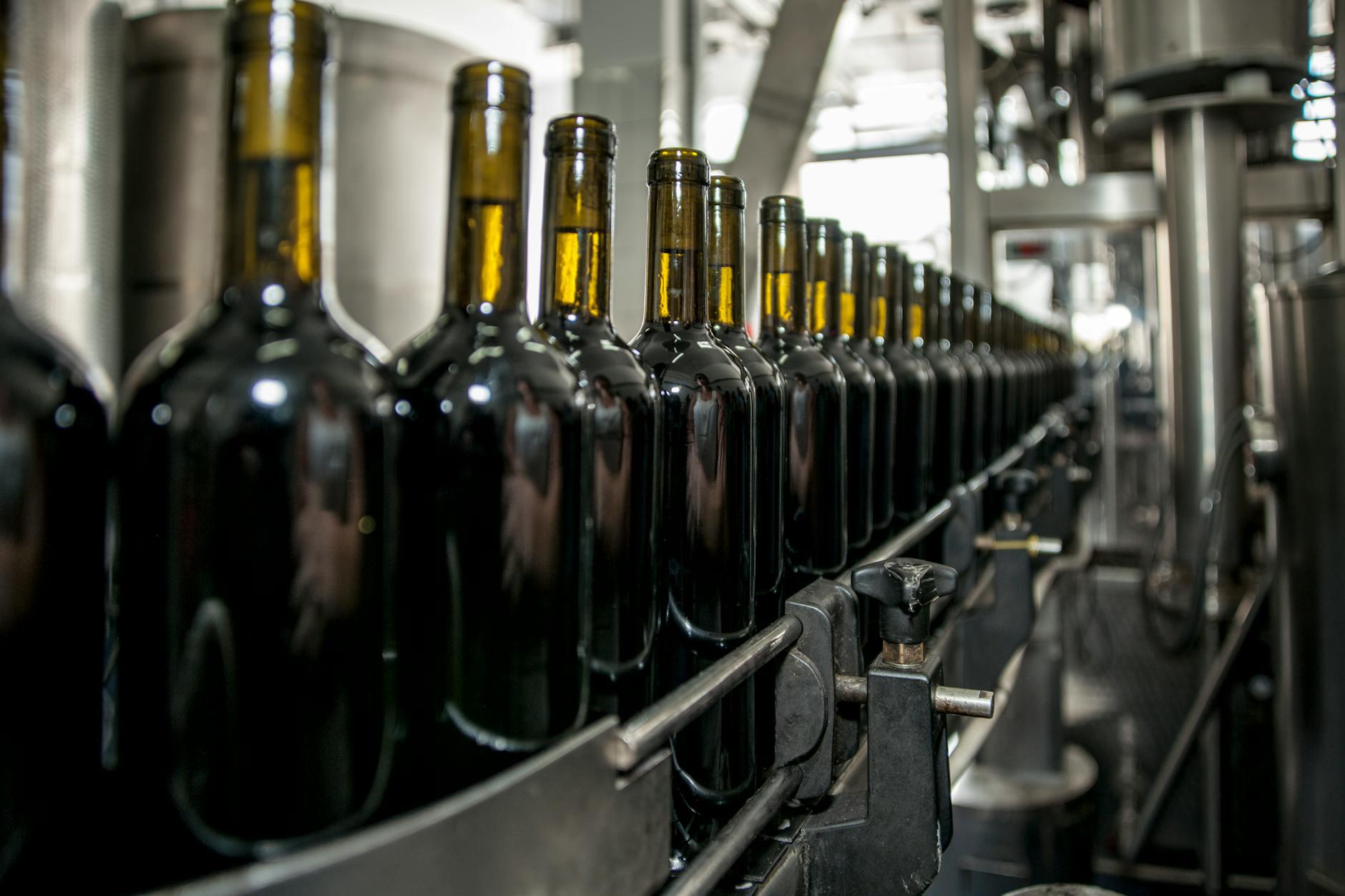
The other point worth noting in this announcement is the strengthening of the contract filling business. Hakutsuru already fills other companies’ products at its Nada Uozaki Plant in Higashinada Ward, Kobe, and the new plant will operate in the same way. With equipment that allows flexible choice of container shape and capacity, the company intends to support its clients’ product development. A major brewer has taken over the equipment and role of a specialist filling company after it closed, which suggests that consolidation of production facilities is under way in Japan’s alcoholic drinks industry. For small producers, it means there is still an option to bring out carton products without owning their own equipment.
How to enjoy it in Europe
In Europe, many people may think of sake as bottled ginjo. On Japanese tables, however, what people drink every day is affordable futsushu or junmai sold in cartons. If you come across carton sake in an Asian grocery store, try it as an everyday Japanese taste. This kind of sake is best served as kan, warmed to 40–50°C, which brings out the aroma and pairs well with simmered dishes, hotpots and rich, savoury foods such as cheese. Once opened, keep it in the fridge and drink it soon.
Sources
This article was written by The Sake Wire editorial team, summarising the public sources listed above. Images are our own.
Try Akita sake in the EU — from €6
180 ml tasting bottles and full-size sake, wine, beer and gin, shipped from Amsterdam within the EU.


