Hachishika Shuzo in Kokonoe, Oita, begins this season's brewing
At Hachishika Shuzo, a sake brewery in the mountains of Oita Prefecture, a 'kurairi' Shinto ritual marking the start of this season's sake making was held on 1 October.
Oita Prefecture lies in the north-east of Kyushu. In Kokonoe, a town in its mountainous interior, a “kurairi” Shinto ritual to mark the start of this season’s sake brewing was held on 1 October at Hachishika Shuzo. According to the local newspaper Oita Godo Shimbun, prayers were offered for the safety of the work and for the sake to turn out well. For a Japanese sake brewery, it is a milestone ceremony that marks the beginning of a new season.
What is “kurairi”?
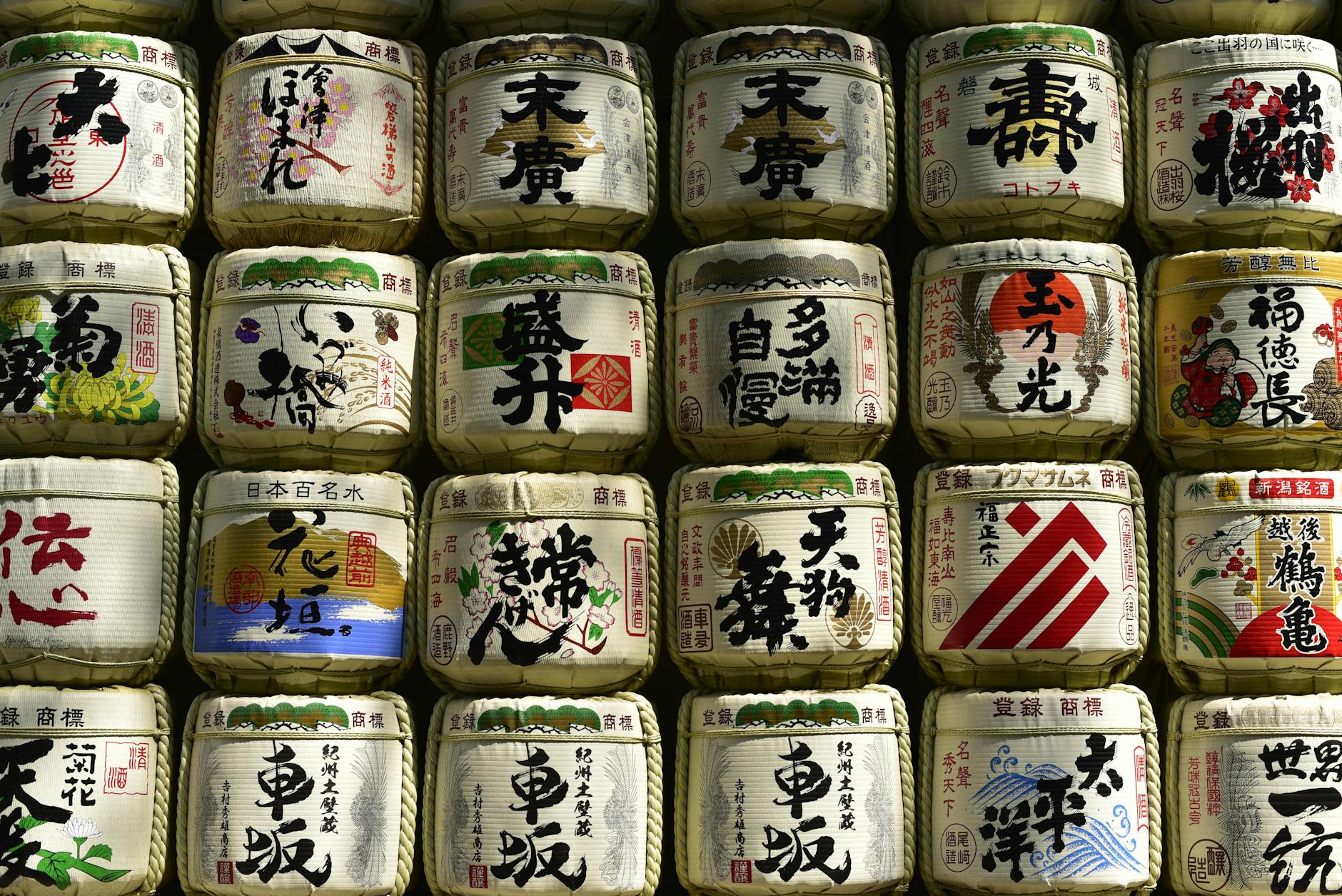
At many Japanese breweries, sake making is concentrated in the months from autumn, when temperatures fall, through to the following spring. At the start of that season, before the kurabito (the craftspeople who make sake) begin work, the kurairi ritual is held to pray for safe working and a good brew. Sake making relies heavily on the work of invisible micro-organisms such as koji mould and yeast, which is why Japanese breweries have long held such rituals dear. It may help to think of it as something like the harvest festivals held in Europe’s wine regions: an event that marks the turning of the season.
Winter work begins in the mountain brewery
Kokonoe is a highland town surrounded by mountains, and as autumn deepens the mornings and evenings turn sharply cold. Low temperatures are favourable for sake making, which depends on keeping unwanted bacteria in check while letting fermentation proceed slowly. At the brewery, the work moves on from steaming the rice to making koji (rice on which koji mould has been grown), then shubo (the fermentation starter) and moromi (the fermenting mash). New sake is usually pressed from winter through to spring. This ritual marks the starting point of that long season.
Enjoying it in Europe
Knowing the rhythm of the brewery year can change the way you choose a bottle. If the label says “shinshu” or “shiboritate”, it is a young sake pressed that winter, with a fresh, lively aroma. “Hiyaoroshi”, on the other hand, is sake pressed in winter or spring, matured over the summer and shipped in autumn, and it has a gentler, mellower character. When choosing sake at a specialist shop in Europe, look at the production date and try comparing a brewery’s new sake with its matured one. If you come across a bottle from a Kyushu brewery such as one in Oita, still little known in Europe, you might enjoy it all the more by picturing this season’s brewing getting under way in a brewery in the mountains.
Sources
This article was written by The Sake Wire editorial team, summarising the public sources listed above. Images are our own.
Try Akita sake in the EU — from €6
180 ml tasting bottles and full-size sake, wine, beer and gin, shipped from Amsterdam within the EU.


