Defunct Aomori sake Kikukoma, revived by a fellow brewer
Kikukoma, the Gonohe sake that stopped production in 2023, returns, recreated the traditional way by Hachinohe Shurui, which inherited the trademark.
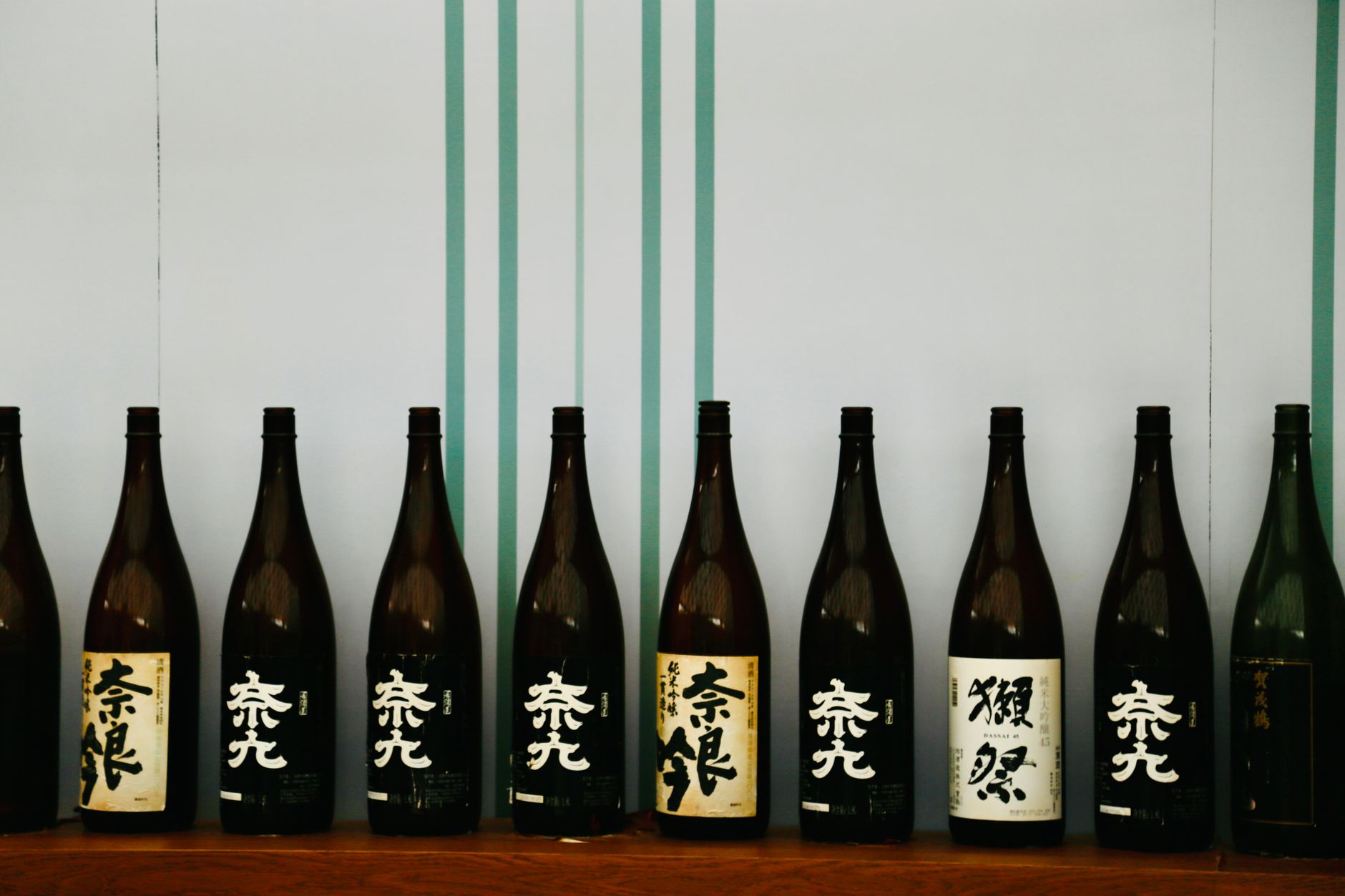
A Fine Local Sake on the Brink
Gonohe is a small town in the south-east of Aomori Prefecture, at the northern tip of Honshu. The area, on the Pacific side, is known locally as “Kennan”, the southern part of the prefecture. Kikukoma, brewed by Kikukoma Shuzo in this town, was long loved as one of the region’s signature local sakes. But sales fell during the COVID-19 pandemic, and Kikukoma Shuzo stopped production in 2023 and later went bankrupt.
In Japan, breweries continue to close because of falling demand and a lack of successors. At the same time, there has been a noticeable rise in other companies taking over breweries and brands. The sake media outlet SAKE Street has described takeovers of breweries by the Kuhara Honke group, known for its Kayanoya dashi brand, and by the major miso maker Marukome as “proactive succession”. In Kikukoma’s case, a company in the same region and the same trade stepped in to protect the brand.
Two Types, Recreating the Old Style

The company that inherited the Kikukoma trademark is Hachinohe Shurui, headquartered in neighbouring Hachinohe. In January 2026, at its plant in Gonohe, where it makes the sake “Jokuu”, it brewed using rice grown in Aomori Prefecture. The company says it faithfully reproduced the method Kikukoma had long used. In April, Aomori Broadcasting reported that maturation was progressing well and that a release was expected in May.
Two types were planned. “Junmai” is a category made only from rice, rice koji and water, and is characterised by umami and a firm, full body. “Junmai ginjo” is a step up, made with more of the outer layer of the rice polished away and brewed with greater care. Its flavour is described as elegant, with a touch of nostalgia.
One point worth noting is that Hirofumi Miura, the former president of Kikukoma Shuzo, now supports the revival as a sales representative at Hachinohe Shurui. Miura says the release is not the goal. The idea is to have people drink it, taste it and share their opinions, and that is where the real start begins. Because production is limited in the first year, sales were expected to be restricted to liquor shops in Gonohe itself and the village of Shingo.
How to Enjoy It in Europe
Since Kikukoma is for the time being to be sold only locally, it will be hard to find in Europe. Still, brands being passed on to other companies is becoming more common in Japan, and a sake with the same name may now have a different maker. When choosing imported sake, check the producer’s name and address on the back label. It will tell you something about the background of the bottle.
If you come across sake from Aomori, a junmai type is best enjoyed at room temperature or as nurukan (warmed to around 40 degrees), which brings out the umami. It also pairs well with roasted vegetables or mature cheese. A junmai ginjo is best lightly chilled in a wine glass to enjoy its aroma, with delicate dishes such as white fish carpaccio.
Sources
- 青森放送(NNN)「2年の時を経て五戸の銘酒『菊駒』再始動 八戸酒類が商標を継承…元社長の三浦さんも営業で支える」
- SAKE Street「ブランド強化のための「攻めの承継」 - 茅乃舎、マルコメの事例に見る日本酒蔵M&Aの最前線」
This article was written by The Sake Wire editorial team, summarising the public sources listed above. Images are our own.
Try Akita sake in the EU — from €6
180 ml tasting bottles and full-size sake, wine, beer and gin, shipped from Amsterdam within the EU.


