New Brewery Amano-sato Takes Over the Sake Licence of a 134-Year-Old Kura
Amano-sato Brewery, a new kura in Fukuoka, has taken over the sake licence of Mannengame Shuzo, a venerable brewery with no successor, and began brewing sake on 1 October.
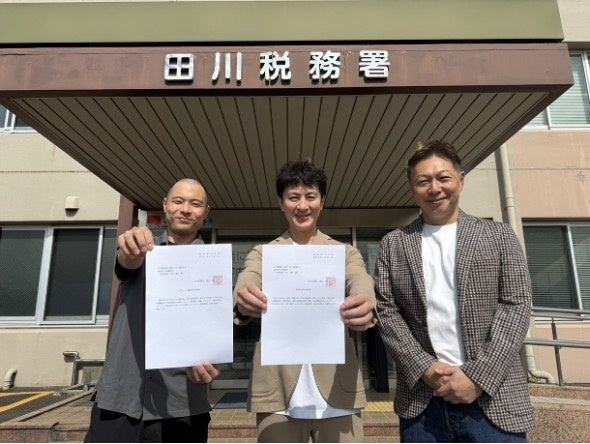
A 134-Year-Old Licence Passes to a New Kura
In Japan, the decision on whether to grant a licence to produce sake for the domestic market depends on the balance between supply and demand. For this reason, it is difficult for a new kura to obtain a licence from scratch (licences for export and similar purposes are treated differently). Amano-sato Brewery (Amano-sato Jozosho) in Fukuchi, Fukuoka Prefecture, in northern Kyushu, first obtained a licence for “other brewed alcoholic beverages” in September 2025 and began brewing. This category covers brewed beverages made with ingredients other than rice, and under the law such products cannot be called “seishu” (sake). In December of the same year, it acquired all the shares of Mannengame Shuzo (founded 1892) in Kurume, which had no successor and was in danger of closing. The transfer of the licence that came with the merger was approved on 1 October, Sake Day, and the sake licence of the kura, which had run for 134 years, passed to the new kura in Fukuchi.
Rice from Duck Farming and a Kura Filled with Gagaku
The company’s representative, Yusuke Nakayama, went independent after working at Fujitsu, Coca-Cola Japan, Amazon Japan (where he headed the alcoholic beverages business) and Rakuten. Since then he has supported sales online, management and overseas expansion for kura around the country. In his home town of Fukuchi, he uses rice grown by the aigamo method, in which ducks eat the weeds in the paddy fields, and uses neither pesticides nor fertiliser, with varieties such as Yamada Nishiki and Hinohikari. The brewing water is subterranean water drawn from a well on the premises. Gagaku, the court music of Japan, is played to the tanks during fermentation. Drawing also on the sake-making knowledge that Mannengame Shuzo built up, the kura will brew sake and other brewed alcoholic beverages throughout the year.
From Cannes to Milan, and Now Sake
The kura has also won recognition internationally. “Amano-sato” from the brand Aru Yoi was chosen as the official sake of the 79th Cannes Film Festival in May 2026. In September it received the Best Design award at the Milano Sake Challenge. Its current lineup has five brands, “Amano-sato”, “Osou”, “Kanya”, “Shoun” and “Yoka”, all classified as “other brewed alcoholic beverages”. The first sake will be brewed in October and is scheduled for release in the second half of November, with details to be announced on 1 November.
There are two points that European readers may wish to note. The first is the classification printed on the label. Even for products from the same kura, the thinking about ingredients differs between “seishu” and “other brewed alcoholic beverages”. Paying attention to the difference in classification may reveal the breadth of this kura’s approach. The second is the first sake, due out in the second half of November. It is the debut work of a new kura that has inherited the skills of a historic one, and the kura says it wants to deliver its sake to the world. In Japan, many kura disappear because they have no successor. Against that background, the fact that there is a path of taking over a licence and continuing to brew is also a clue to understanding sake today.
Sources and references
- PR TIMES (Amano-sato Brewery) “Amano-sato Brewery takes over sake licence on 1 October”
Sources
This article was written by The Sake Wire editorial team, summarising the public sources listed above. Images are our own.
Try Akita sake in the EU — from €6
180 ml tasting bottles and full-size sake, wine, beer and gin, shipped from Amsterdam within the EU.


