Akita sake maker raises prices by up to 19.5% as rising costs bite
Akita Prefecture's Akita Hakko Kogyo, part of the Oenon Group, is raising prices on 46 items, including Itteki Senryo sake and shochu, from September shipments to reflect persistent cost increases.
Akita Hakko Kogyo, a member of the major Japanese alcohol group Oenon Group, has raised prices on some of its sake, shochu and other products for shipments from 1 September 2026. Akita Prefecture is a rice-growing region on the Sea of Japan coast in northern Honshu, and the company’s headquarters are in Yuzawa, in the south-east of the prefecture. The increases range from roughly 0.6% to 19.5% on a suggested retail price basis. The reason is that costs keep rising at every stage of production, from raw materials to energy, packaging and logistics.
A wide range of products, from sake to shochu
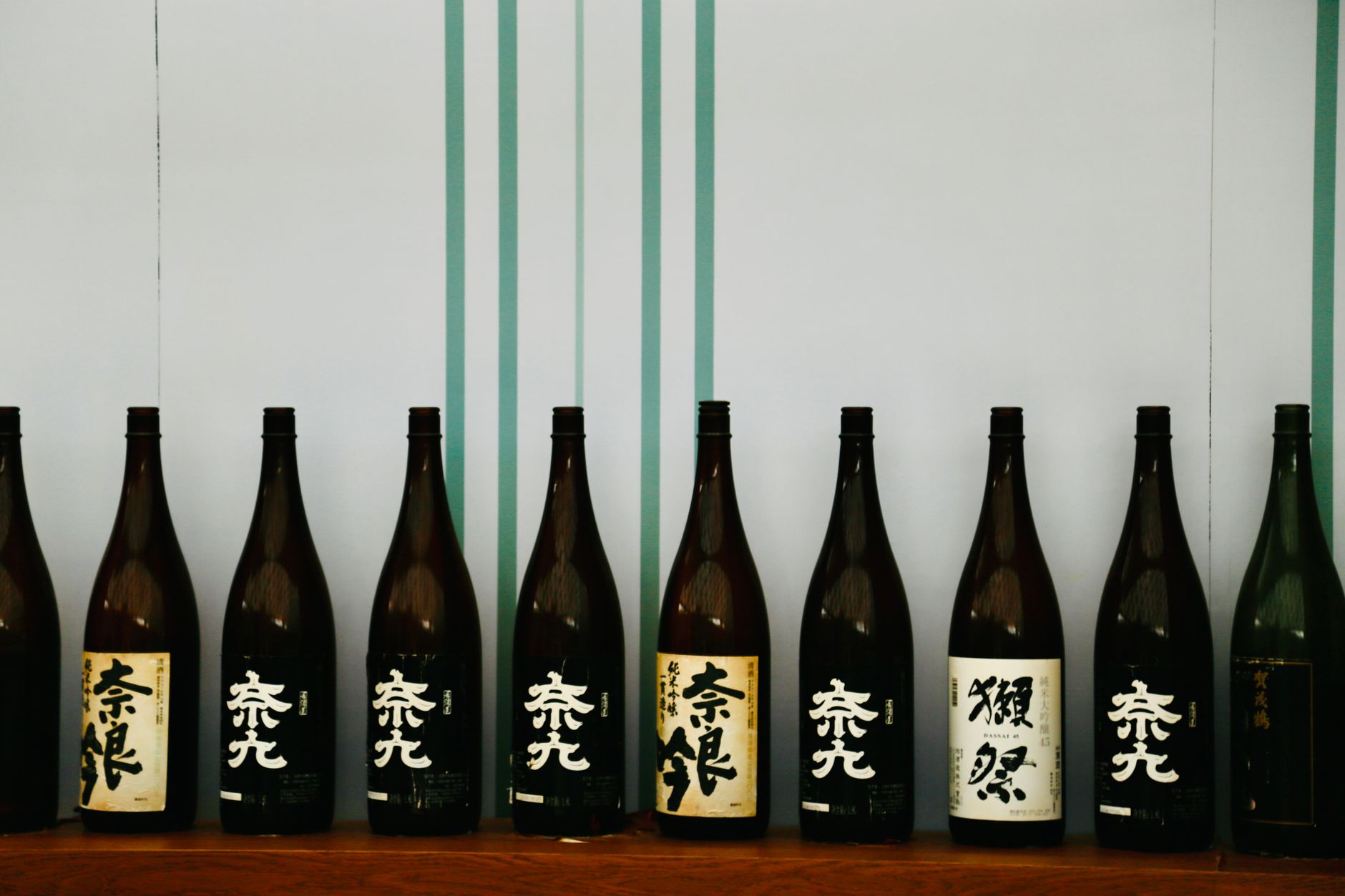
Sake is at the heart of the list, with 21 items (29 SKUs) such as “Itteki Senryo” and “Akita no Yuki”. Also included are the synthetic sake “Tonton Byoshi”, made by adding sugars and other ingredients to brewing alcohol to give a sake-like result; eight Type A (continuous-distilled) shochu items, which have a clean, light taste, such as “Maromi no Soft Shinko” and “Aibo”; and 11 Type B (single-distilled) shochu items, which retain the flavour of their ingredients, such as “Blackstone” and “Jikuu no Tobira”. Three blended shochu items combining the two types, such as “Bakke Shochu”, the liqueur “Akita Sour no Moto” and the spirit “Shibunuki Jozu” are also affected. The size of the increase varies widely by product, from under 1% to about 20%.
Rising costs of “everything” behind the move
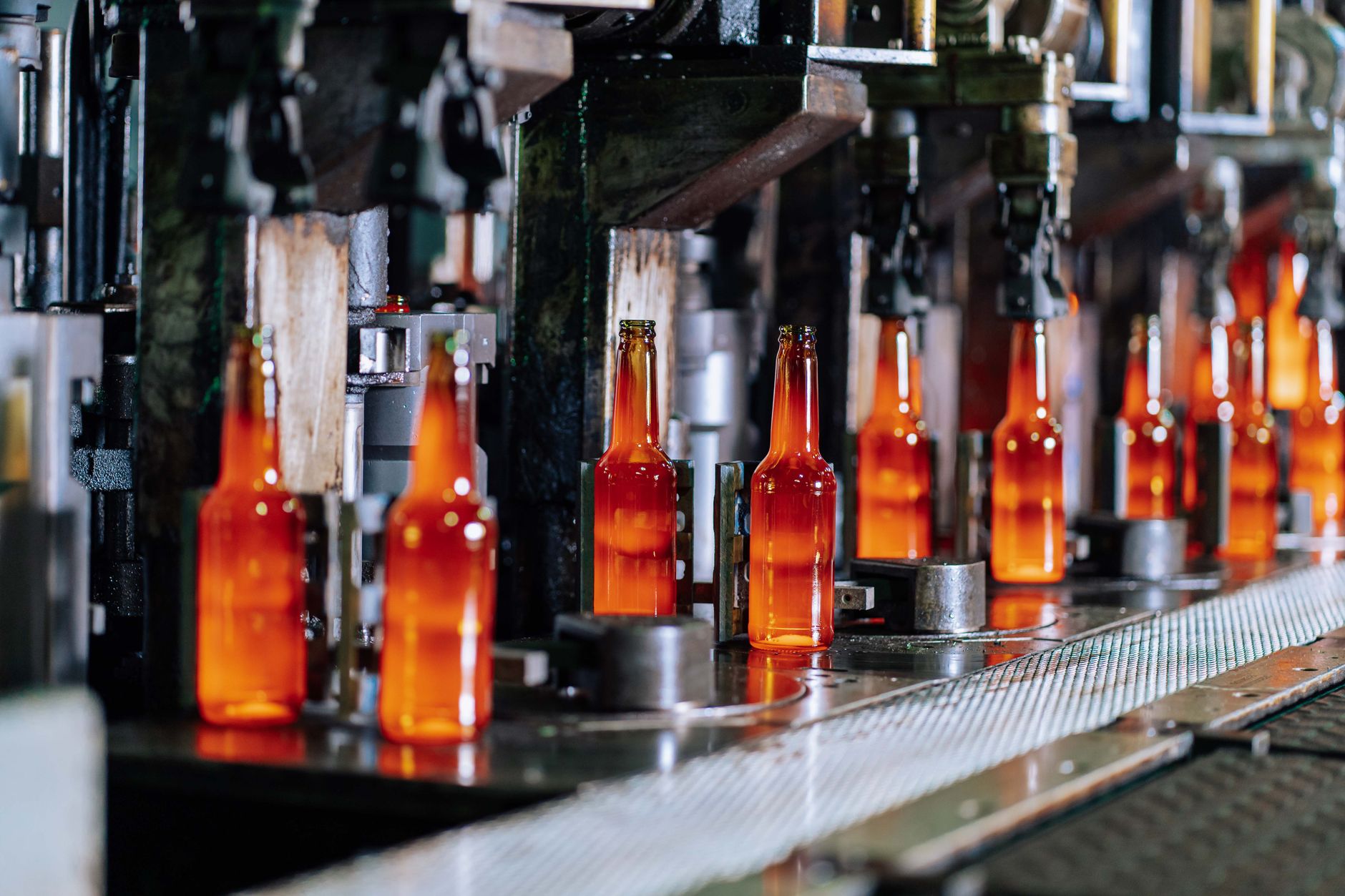
According to the company and Oenon Group, in addition to raw material prices, the energy used in production, materials such as bottles and packaging, and transport logistics costs have all continued to rise. The company has made efforts internally, such as cutting fixed costs, but says these alone could not absorb the increases. It explains that the price rise is a decision taken to ensure a stable supply of its products and to maintain quality. With bottle and transport costs piling up on top of raw materials, it appears that affordable drinks consumed every day are the most exposed to price pressure.
What European readers should note

This announcement concerns suggested retail prices in Japan and does not address export prices. However, the price of Japanese alcohol sold in Europe is determined by adding shipping costs, alcohol duty and exchange-rate effects to local prices, so higher costs in Japan may eventually affect European prices too. Affordable shochu and sake are a good entry point for understanding what Japanese households drink day to day. In the shop, look at the difference on the label between “honkaku shochu” (Type B) and Type A. Try Type B, with its distinctive ingredient character, on the rocks or with hot water, and the milder Type A with soda, and the effect of the distillation method on flavour becomes clear.
Sources
This article was written by The Sake Wire editorial team, summarising the public sources listed above. Images are our own.
Try Akita sake in the EU — from €6
180 ml tasting bottles and full-size sake, wine, beer and gin, shipped from Amsterdam within the EU.


