Welfare Organisation Opens Urban Winery in Yokohama
Yokohama Kajitsu Jozo, set up by a Yokohama social welfare corporation, has obtained a liquor manufacturing licence and begun making wine from non-standard pears and Yokohama-grown grapes.
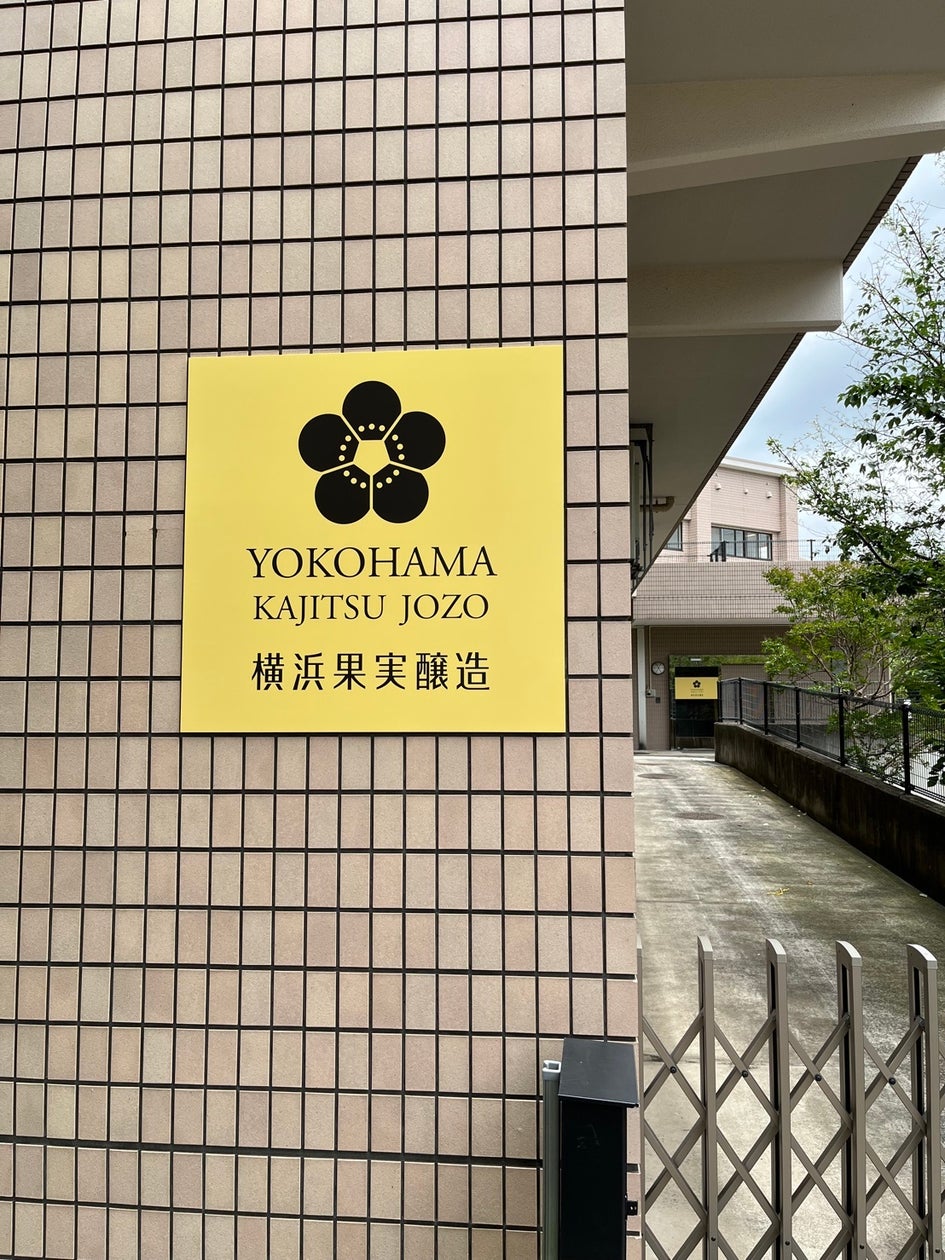
In Yokohama, Japan’s second most populous city, a winery set up by a social welfare corporation, Yokohama Kajitsu Jozo, obtained its liquor manufacturing licence on 2 July 2026. The winery is in Minamiyamada, Tsuzuki Ward, in the north of Yokohama. It was founded by Nakagawa Tokushokai, a social welfare corporation that has been involved in community welfare since 1994. Its main raw materials are “Hamanashi”, local pears whose shape or size does not meet shipping standards, and grapes grown in Yokohama. As of the announcement in July, the first labels were scheduled to go on sale in stages from autumn 2026.
Fields in a port city, and pears with nowhere to go
Yokohama is known as a port city, but farmland still remains within its urban fringe. “Hamanashi” is a regional brand of pears grown in Yokohama, and the trademark is registered by JA Yokohama. However, the number of farmers is shrinking, and finding uses for non-standard fruit had become a problem. Yokohama Kajitsu Jozo aims to turn Hamanashi pears that have so far gone largely unused into wine, keeping them circulating as a local resource. It plans to work with local farmers, businesses and the municipality to support Yokohama’s agriculture.
Linking welfare and winemaking
At the heart of the operation is what is known in Japan as “norin renkei”, or agriculture-welfare collaboration: an approach that links agricultural and welfare settings to create places to work. Through the wine business, Nakagawa Tokushokai wants to create new employment opportunities and build a system that ties agriculture and the community together over the long term. It also says it will pursue flavours rooted in Yokohama’s climate and farming rather than imitate existing wine culture. At the time of the announcement, it was also planning to grow grapes in its own vineyard, to set up a members’ club, and to open a restaurant using nearby ingredients.
The first three bottles
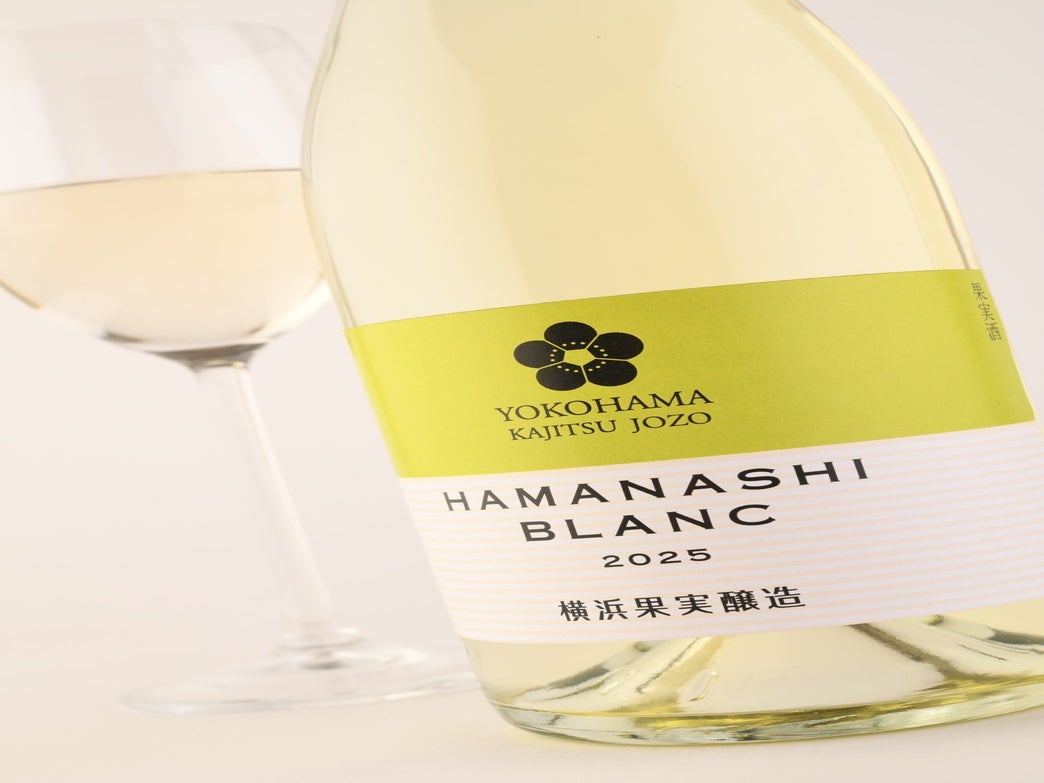
At the time of the announcement, three labels were scheduled for release from around autumn: the lightly sparkling “HAMANASHI PETILLANT 2025”, the off-dry “HAMANASHI BLANC 2026”, and a red wine made from Cabernet Sauvignon, “Cabernet Sauvignon “Clairet” 2025”. The two Hamanashi wines are fruit wines made from pears rather than grapes.
For European readers, fermented pear drinks are familiar as perry or poiré. Japanese pears are a round, juicy variety, unlike European pears, and are sometimes sold in European shops under the name “nashi”. It is tempting to compare how a petillant or white wine made from them differs from a perry made with European pears. For the time being production is small and this is a modest brewery for the domestic market, so the wines may not be available abroad any time soon. Even so, it is an example of Japanese wine coming not only from grape-growing regions such as Yamanashi and Nagano, but also from inside a big city and from a place where welfare and agriculture meet. New vintages and future developments are expected to be announced on the company’s website and social media.
Sources
Sources
This article was written by The Sake Wire editorial team, summarising the public sources listed above. Images are our own.
Try Akita sake in the EU — from €6
180 ml tasting bottles and full-size sake, wine, beer and gin, shipped from Amsterdam within the EU.


