From plant engineer to master brewer: the path of Jun Goto of Tenzan Shuzo
Jun Goto, master brewer (toji) at Tenzan Shuzo in Saga, was once a plant engineer. We look at how his unusual career feeds into sake brewing and environmental measures.

Jun Goto (60), who serves as toji (the craftsman in charge of brewing at a sake brewery) at Tenzan Shuzo in Ogi, Saga Prefecture, in north-western Kyushu, moved from engineering into the world of sake brewing about 30 years ago. On 7 September 2026, Goto gave a special lesson at the local Iwamatsu Primary School, in which he looked back on his career and told the children: “Feelings of liking something, finding it interesting and wanting to try it are the greatest source of energy.” The lesson, reported by the local newspaper Saga Shimbun, offers a glimpse of the perspective that comes with a toji from a different industry.
From a longing for space to plant sites overseas
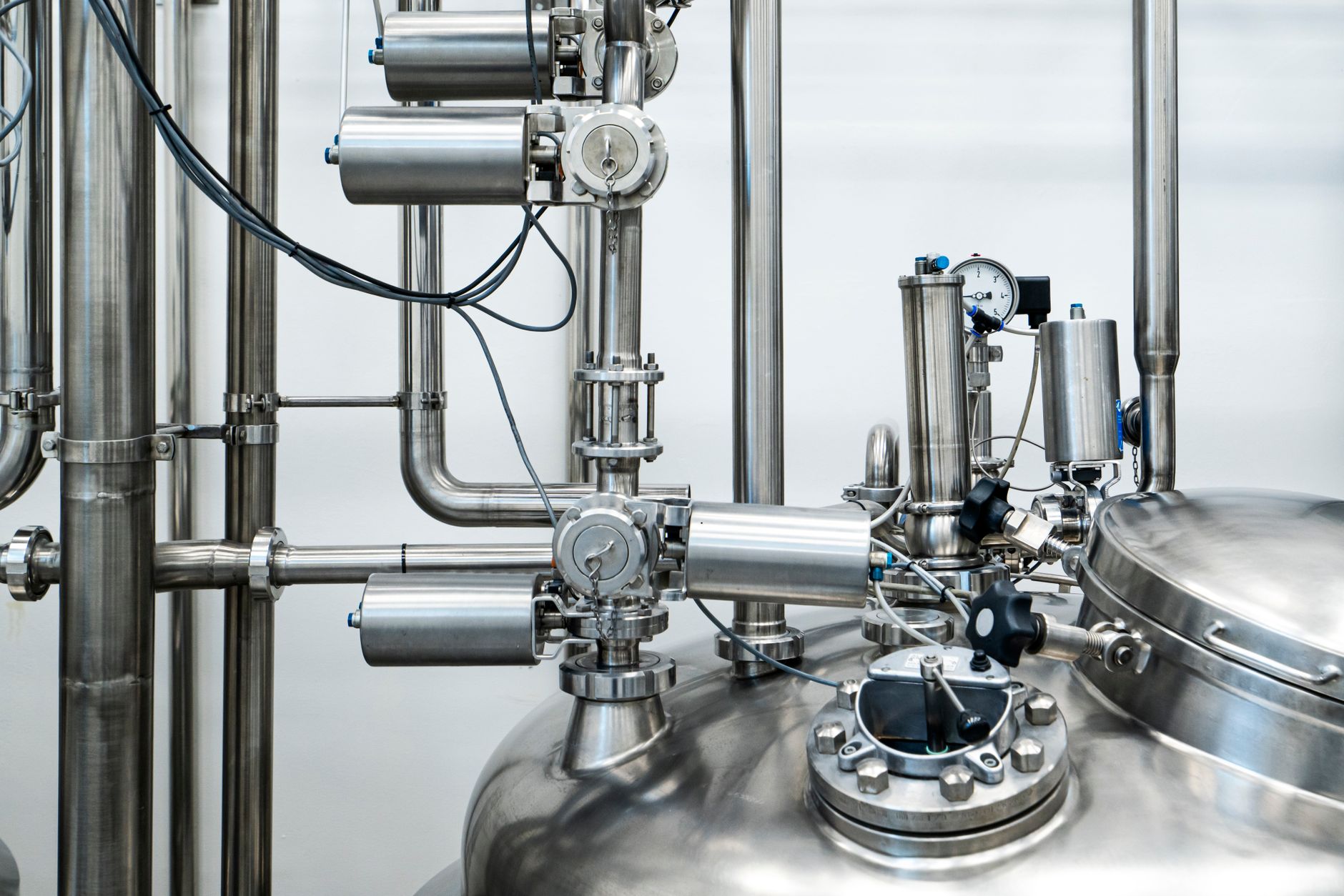
What drew Goto to a technical career was a longing for space that he first felt as a child watching an animated series. After graduating from a university specialising in engineering, he worked as a plant engineer in an industrial complex (kombinato) in Mie Prefecture, and also had postings overseas. Living outside Japan led him to take a fresh look at his own country, and his interest in history and in sake deepened, he says.
Joining a brewery at 29: terraced-field sake rice and tables around the world
At 29, Goto threw himself into sake brewing, a field in which he had no experience. “The desire to know was the same as when I longed for space,” he recalls. After moving to Ogi, he was also captivated by the natural surroundings, including clear streams where fireflies dance. Of sake brewing, he says, “The more you learn, the more it draws you in.” In the lesson, he introduced efforts that protect tradition while contributing to the community, such as making sake that can suit food cultures around the world, and growing sake rice (rice for sake) in the terraced fields of the Eriyama district in the city.
Putting engineering experience to work cutting greenhouse gases

In recent years, companies have been expected to reduce greenhouse gas emissions. According to Goto, the knowledge he acquired during his years at the plant is useful in this area. His words, “Looking back, life is connected by a single line,” show how engineering knowledge and traditional brewing come together in one brewer.
When choosing sake in Europe, you may find the toji’s name and background on the back label or in the importer’s description. If you come across a sake from Saga, take a look at who makes it and with what background. Where the rice was grown, for example in terraced fields, is also worth noting. Since the brewery itself bears in mind how its sake pairs with cuisines from around the world, try it with everyday dishes as well as Japanese food, and you may get a sense of what the maker has in mind.
Sources
This article was written by The Sake Wire editorial team, summarising the public sources listed above. Images are our own.
Try Akita sake in the EU — from €6
180 ml tasting bottles and full-size sake, wine, beer and gin, shipped from Amsterdam within the EU.


