A Japanese Peach Ale Made from 500 kg of Imperfect Peaches
Sankt Gallen, a craft brewery in Kanagawa Prefecture, released "7 Peaches Ale" on 17 September 2026, a limited beer made with about 500 kg of Yamanashi peaches that could not be shipped because of cos
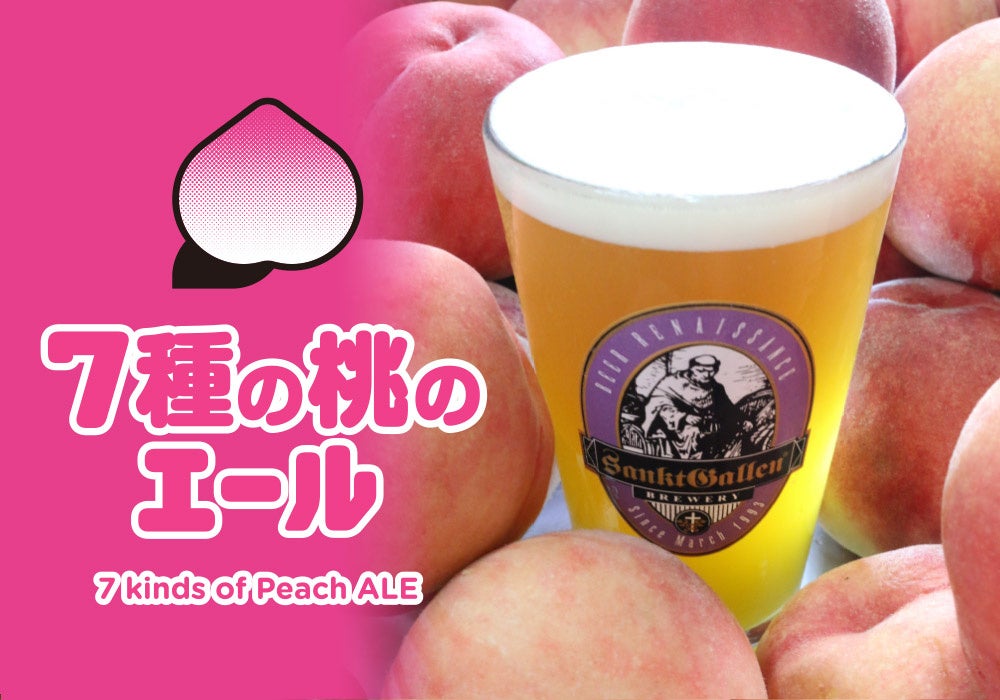
Seven varieties of “imperfect peaches”, about 500 kg in a single brew
Sankt Gallen is a brewery in Atsugi, Kanagawa Prefecture, south-west of Tokyo. Before small-scale brewing was legalised in Japan, it brewed and sold craft beer in the United States, and its activities were featured in an American magazine. This coverage is said to have influenced the debate on deregulation in Japan, and the industry calls the brewery “Jibiru Zero-go” (Craft Beer No. 0). It does not brew lagers; it makes only ales.
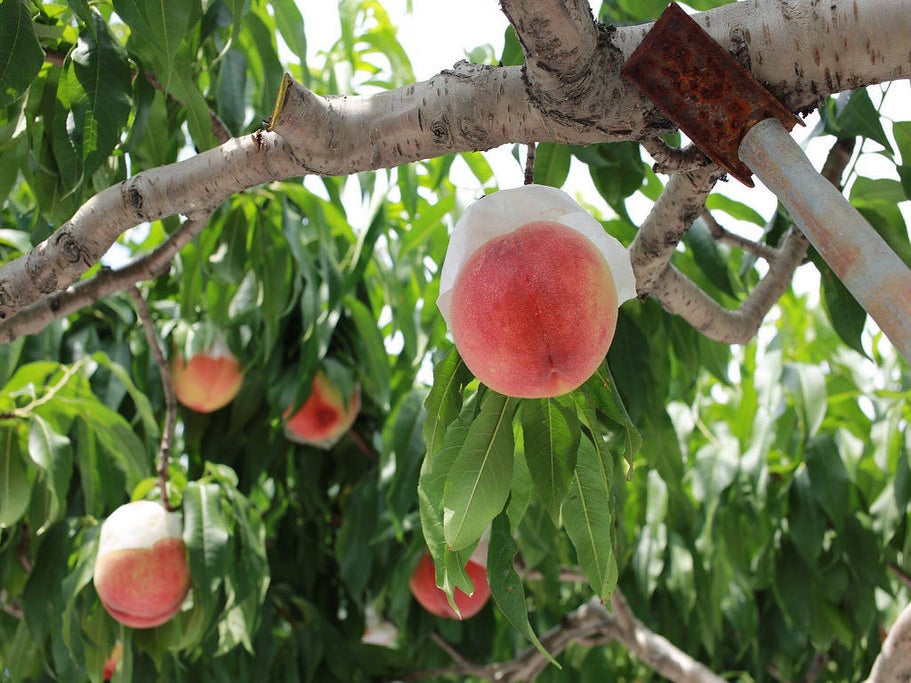
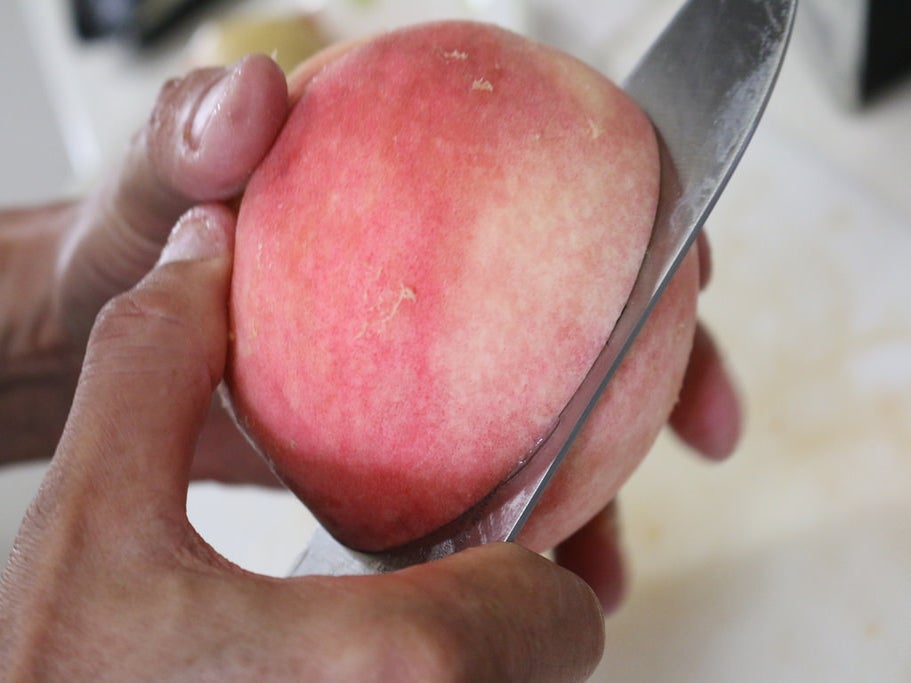
This “7 Peaches Ale” uses peaches from Yamanashi Prefecture, a fruit-growing region west of Tokyo. The raw material is “imperfect” fruit that cannot go to the ordinary market because of blemishes or poor shape. Seven varieties (Hakuho, Yumeshizuku, Akatsuki, Madoka, Kawanakajima, Yuzora and Sakura) are combined, peeled and stoned, turned into a purée and added to the wort. A single brew uses about 500 kg of peaches, and the brewery brings out the aroma of the fruit itself rather than relying on flavourings.
Where climate change sends “imperfect fruit”
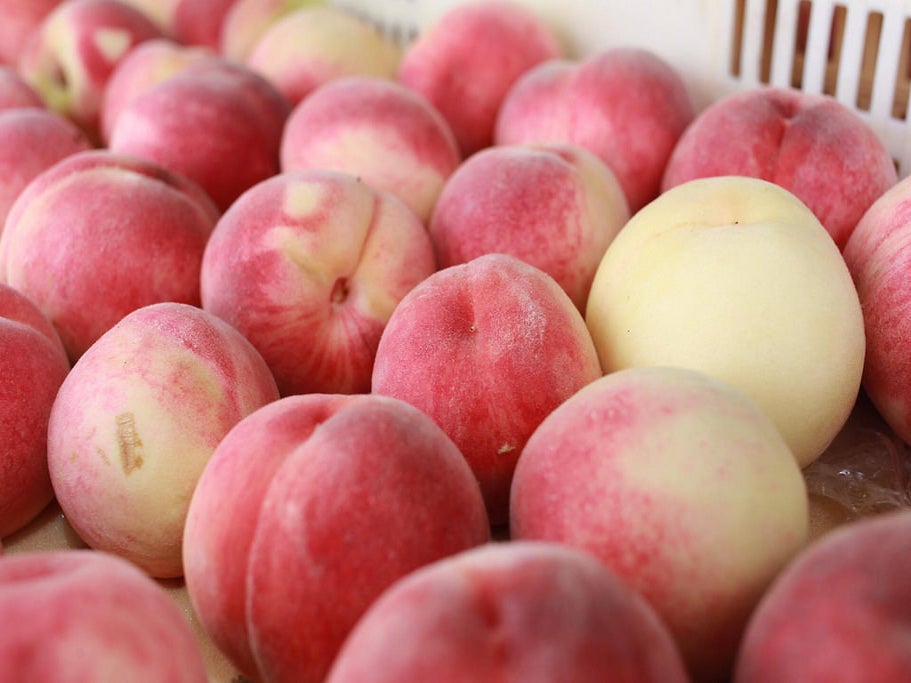
The brewery has made this peach beer on an irregular basis since 2011. In recent years, damage has become more noticeable: extreme summer heat makes the fruit ripen before it has grown large, and mild winters allow stink bugs that survive the cold to pierce the fruit and suck its juice. According to people in the trade, in some years about a third of the harvested peaches end up as imperfect. Most of this fruit is thrown away or used as livestock feed, so farmers are said to welcome its use as a brewing ingredient. Besides peaches, the company also brews with other cosmetically flawed fruit, such as Shonan Gold oranges from Kanagawa Prefecture, Japanese pears and apples from Nagano Prefecture.
A nectar-like aroma and the tartness around the stone
The brewery describes the beer as rich and juicy, like peach nectar. The aroma is that of a ripe peach, and alongside the sweetness there is a tartness like the flesh around the stone. Because the amount of fruit exceeds the limit at which a drink may be called “beer” under Japan’s liquor tax law, its official classification in Japan is “happoshu” (sparkling low-malt alcoholic drink).
At launch, the beer was available mainly at the brewery’s own taproom in Atsugi and on draught at beer events held in places such as Yokohama. It has sold so well at events in recent years that there has been none left for bottling, and at launch bottle sales had not been decided this year either. It will be hard to find the same beer in Europe. Even so, the idea of using large quantities of non-standard fruit and finishing the beer without flavourings should feel familiar to readers who know Belgian fruit beers. If you come across a fruit ale at a shop that stocks Japanese craft beer, check the origin and variety of the fruit. It is a good clue to what fruit Japanese breweries use, and why.
Sources
This article was written by The Sake Wire editorial team, summarising the public sources listed above. Images are our own.
Try Akita sake in the EU — from €6
180 ml tasting bottles and full-size sake, wine, beer and gin, shipped from Amsterdam within the EU.


