SAKE COMPETITION 2026: Mimurosugi Takes Two Titles
Results of SAKE COMPETITION 2026, which judges only commercially available sake in blind tastings, have been announced: Imanishi Shuzo's Mimurosugi from Nara won first place in both the Junmai and Jun

Hiding the labels to compare only commercially available sake

SAKE COMPETITION is a sake contest that began in 2012. Only commercially available sake that can actually be bought in shops may be entered. Judging is done by blind tasting with the brands concealed, so the result is less likely to be swayed by name recognition. In 2019 it drew 1,919 entries, making it one of the largest sake competitions in the world. It was cancelled from 2020 to 2022 because of the pandemic, but resumed in 2023. In 2026, a total of 1,139 entries were submitted across five categories, judging took place in early May, and the results were announced on 10 June. The top entries in each category receive GOLD, and the rankings are also published.
Mimurosugi wins two titles; Ugo no Tsuki takes Junmai Daiginjo
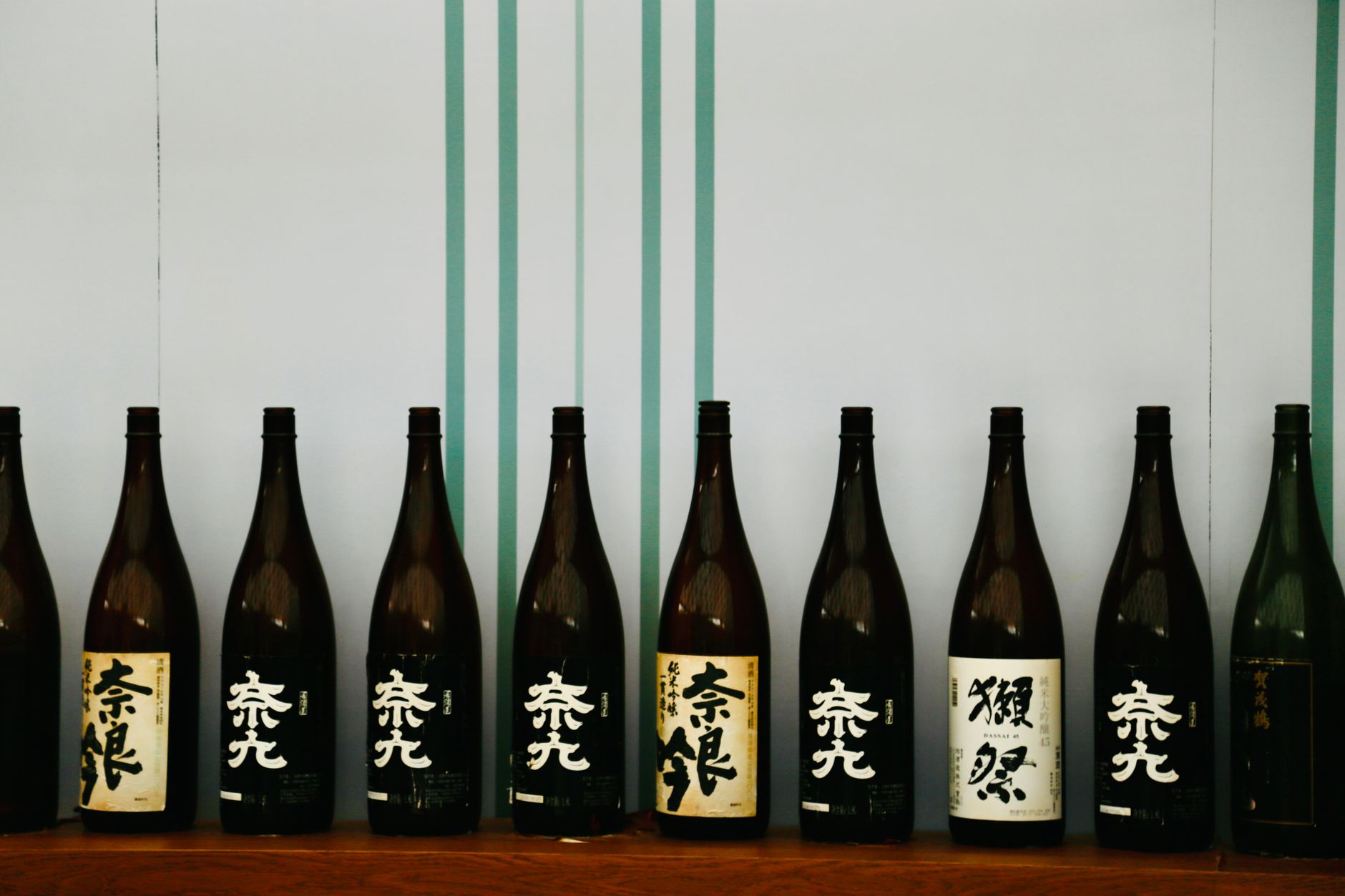
The standout this year was Imanishi Shuzo in Nara Prefecture. Its Mimurosugi took first place in both the Junmai and Junmai Ginjo categories. Junmai is sake made only from rice, rice koji and water. Junmai Ginjo is a fragrant style in which the rice is polished so that 60% or less of each grain remains (the polishing ratio). Imanishi Shuzo also placed other sake: Mimoroto Junmai Ginjo came third in the Junmai Ginjo category, and another entry came sixth in the Junmai category. Gakki Masamune from Okidaikichi Honten in Fukushima Prefecture also had three bottles in the top ranks across two categories. In the Junmai Daiginjo category, for sake with a polishing ratio of 50% or less, Ugo no Tsuki from Aihara Shuzo in Hiroshima Prefecture took first place. From Akita Prefecture, Taiheizan Junmai Daiginjo Tenko from Kodama Brewery came third.
Premium-priced sake and “Modern Natural”
The Super Premium category pits sake priced at 10,000 yen or more (excluding tax) per 720 ml bottle against each other. First place went to Jikon Tokuto Omachi from Kiya Shoshuzo in Mie Prefecture. Omachi is a rice variety with a long history. The Modern Natural category is for junmai sake made by the kimoto, yamahai or bodaimoto methods. All of these are traditional techniques that make use of natural lactic acid bacteria to cultivate the yeast starter that begins fermentation. Only sake from the 2025 brewing year could be entered, and first place went to Tachibanaya Junmai Ginjo from Kawakei Shoten in Miyagi Prefecture.
If you plan to use this list in Europe, we recommend looking at the brewery rather than at the individual award-winning bottle. Many winners are seasonal or small-batch releases, so the same sake may not appear in EU shops. On the other hand, breweries recognised in several categories, such as Mimurosugi, Ugo no Tsuki and Matsu no Tsukasa from Matsuse Shuzo in Shiga Prefecture, which placed in the top ranks in three categories, offer a good measure of the brewery’s overall ability. If you spot these brewery names in a shop, pick up a bottle. Junmai can be enjoyed at room temperature or gently warmed. Junmai Ginjo and Junmai Daiginjo are best served chilled in a white wine glass, which helps the aroma open up. Kimoto and yamahai sake have firm acidity and umami, so try them with cheese and charcuterie.
Sources
This article was written by The Sake Wire editorial team, summarising the public sources listed above. Images are our own.
Try Akita sake in the EU — from €6
180 ml tasting bottles and full-size sake, wine, beer and gin, shipped from Amsterdam within the EU.


