Rice Shortage Shakes Sake Rice as Nagano Breweries Join Hands with Farmers
As table-rice prices pushed some Nagano farmers away from sake rice, breweries are deepening ties through contract farming to secure their raw material.

The “Reiwa rice crisis”, when rice vanished from shop shelves in Japan, also affected the raw material for sake. Nagano is a mountainous prefecture in central Honshu. According to the Shinano Mainichi Shimbun, last year some farmers here stopped growing rice for sake brewing (sake rice) and switched to table rice, whose price had risen. Alarmed at the prospect of not being able to obtain their raw material, the breweries are trying to rebuild their links with farmers.
Table rice pushed out sake rice

Sake rice (rice suited to brewing) is a group of rice varieties grown specifically for brewing. The grains are large, and at the centre is a starchy white area called the “shinpaku”. It is grown separately from the rice people eat every day, and cultivation takes extra effort. When the price of table rice rises sharply, growing rice for the dinner table in the same paddy becomes more attractive to farmers. Such switching also happened in Nagano, and breweries faced the question of whether they could secure the rice they needed. According to the article, even breweries that managed to gather the necessary quantity were reminded that they need a system that provides a stable, long-term supply of high-quality sake rice.
Contract farming reconnects breweries and paddies
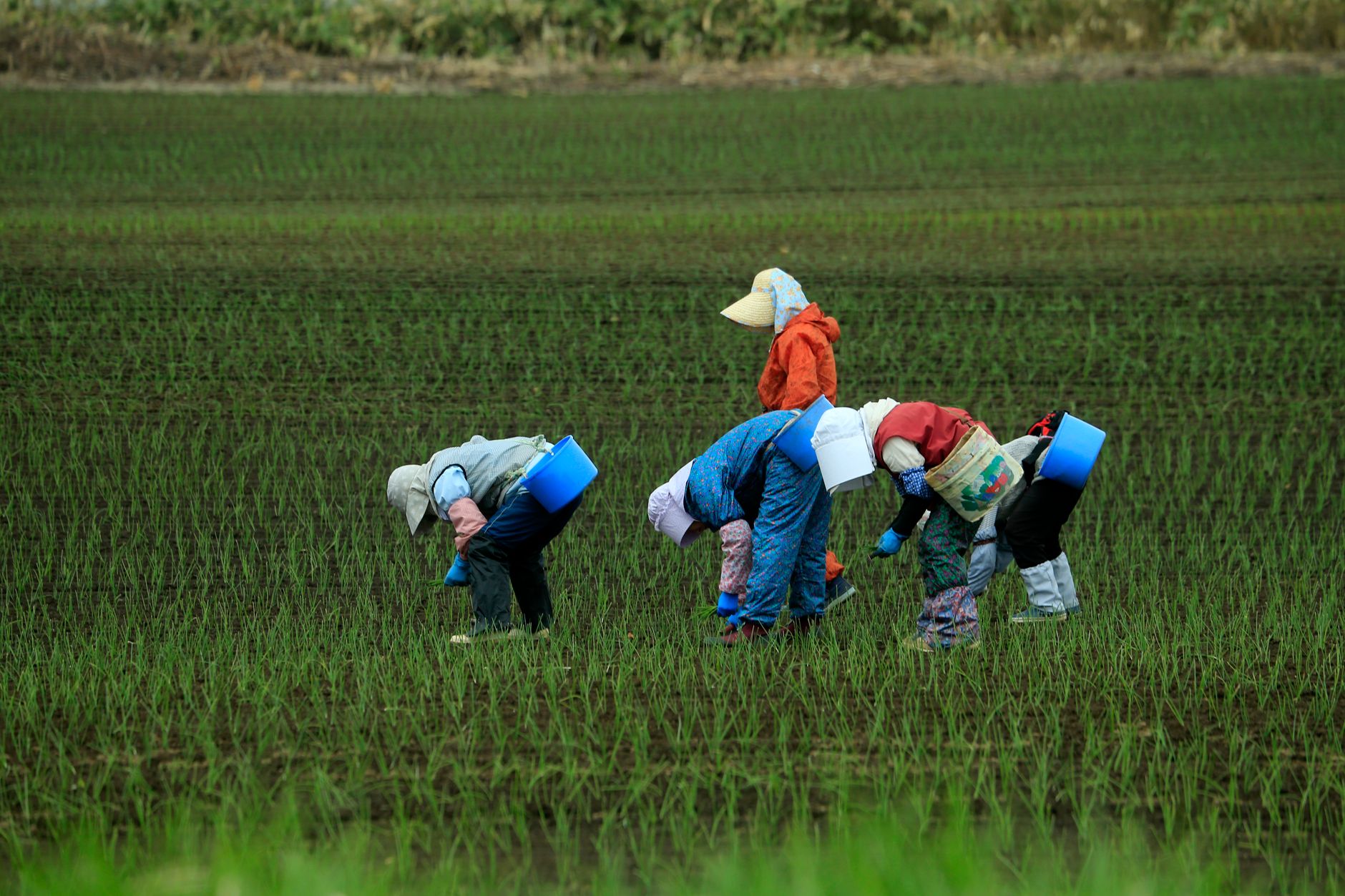
What each brewery is now focusing on is collaboration with farmers. They support farmers through measures such as contract farming, in which an agreement for growing sake rice is made in advance, and try to convey the story behind how the rice was grown as part of the product’s value. In Iijima, in southern Nagano, an event was held in a paddy where farmers contracted to Miyajima Sakaten grow sake rice without pesticides, with participants joining in weeding. Initiatives like this, in which brewery, farmer and drinker stand in the same paddy, can be seen as an attempt to turn the procurement of raw material from a transaction decided by price alone into a lasting relationship.
What it means for drinkers in Europe
If the supply of sake rice becomes unstable, it could eventually affect the volume and price of the sake that is exported. When choosing sake in Europe, look at the back label or the importer’s description for details such as the sake rice variety, the place of origin, and whether the rice was contract-grown or grown without pesticides. A sake that states where its rice comes from hints that the brewery takes its raw material seriously. When you come across a Nagano sake, try picturing the paddies behind it, much as you would imagine the vineyard behind a wine; it may change your impression of the glass.
Source Shinano Mainichi Shimbun, “「令和の米騒動」で危機感、酒米の安定確保へ酒蔵が農家と連携 長野県内で続く模索” https://www.shinmai.co.jp/news/article/gf01d9k4qcbobcmkr5fn27jg
Sources
This article was written by The Sake Wire editorial team, summarising the public sources listed above. Images are our own.
Try Akita sake in the EU — from €6
180 ml tasting bottles and full-size sake, wine, beer and gin, shipped from Amsterdam within the EU.


