Tempranillo at 850 Metres: Mercian's Venture Brings the Grassland Back
Kirin Group's Mercian grows Spanish grape varieties among grasses in a high Yamanashi vineyard, restoring a grassland ecosystem that was nearly lost.

Mercian, one of Japan’s leading wine producers and part of the Kirin Group, is pursuing a “nature-positive” approach, aimed at restoring biodiversity, in its own vineyards. The front line of that effort is Tengusawa Vineyard in Koshu, Yamanashi Prefecture. Yamanashi is a mountainous prefecture west of Tokyo, known as the heartland of Japanese winemaking. At 800 to 850 metres above sea level, this is the highest of the vineyards the company manages. It is attracting attention as an attempt to respond to climate change while living in harmony with nature.
From Neglected Woodland to a Spanish-Variety Vineyard
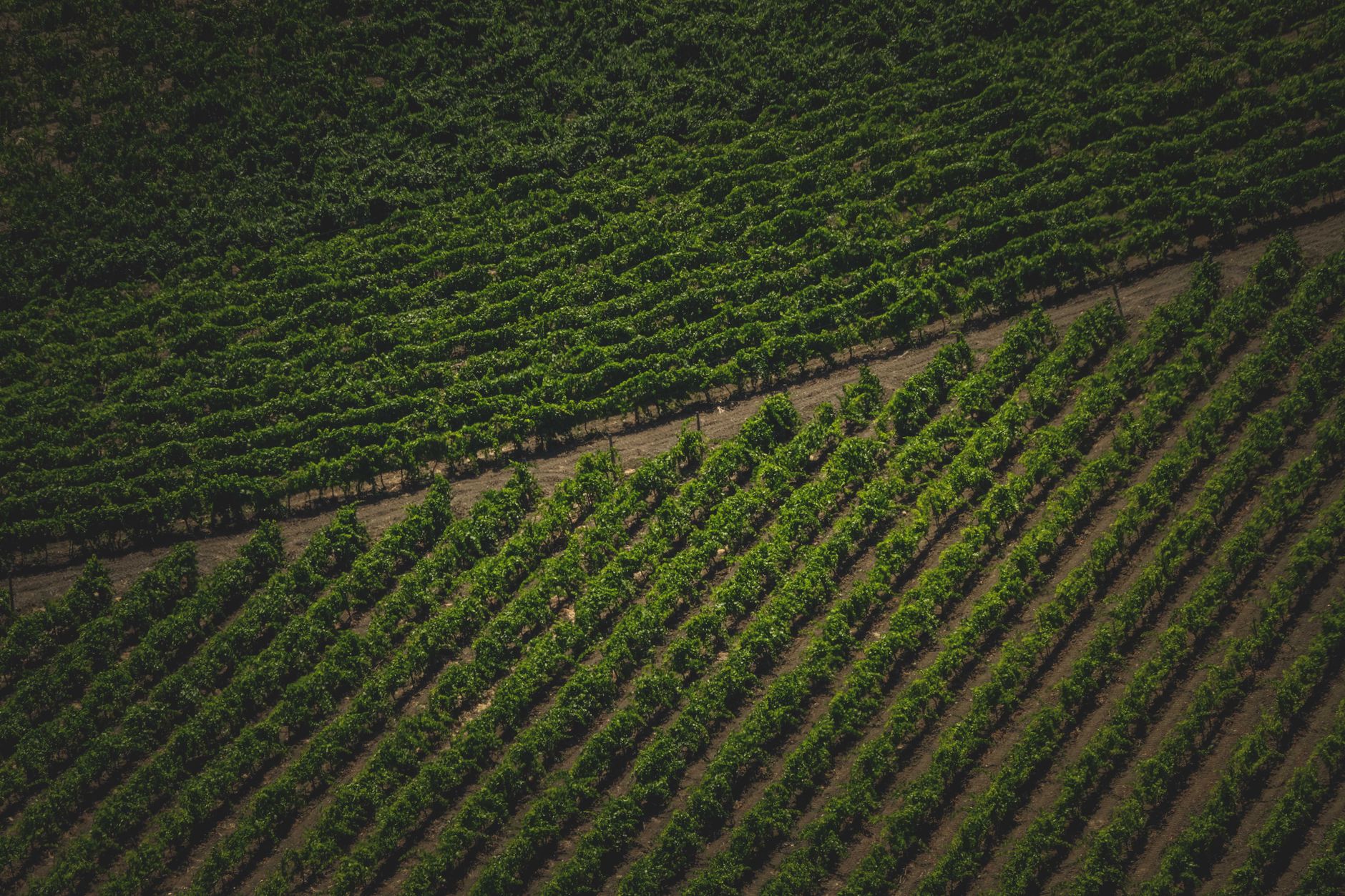
Tengusawa Vineyard was originally an unmanaged patch of mixed woodland. It was cleared in 2017 and became a vineyard using trellis training, in which the vines are trained in rows along posts and wires. Since 2018 it has grown Tempranillo, a red variety widely planted in Spain, and Albarino, a white variety. Both were nurtured in Spain’s warm wine regions, ripen easily in hot conditions and can be harvested relatively early. As Japan’s summers grow hotter, the company has deliberately planted heat-tolerant European varieties in a high-altitude vineyard. Wines made from these two varieties have been on sale in limited quantities at Mercian’s own online shop since April 2026.
Growing Alongside Grass Brings the Grassland Back
The vineyard uses grass-cover cultivation, leaving wild grasses uncut while the vines grow. The grass roots hold the soil in place and share water and nutrients with the vines, preventing the vines from getting too much water or fertiliser. The soil is less likely to turn muddy after rain, which also makes the work easier. Wild deer are plentiful in the surrounding area, and a fence around the vineyard keeps them from eating the crop. Thanks to this fence, plants that had been weakened by deer browsing have recovered, and rare insects can now be seen.
In the vineyard, which covers about 3.7 hectares, 111 plant species, including Japanese silver grass and cogongrass, and 35 butterfly species, including fritillaries, have been recorded so far. Plants regarded as indicators of a good grassland are also growing there. Since 2014 Mercian has carried out joint research with the National Agriculture and Food Research Organization (NARO), a national research institute, confirming that vineyards combining trellis training and grass-cover cultivation restore grassland and benefit biodiversity. In Japan, grasslands, which are home to many endangered species, have shrunk to less than 1% of the country’s land area.

In March 2026, Tengusawa Vineyard was certified by the Ministry of the Environment as a “Nature Coexistence Site”. The scheme recognises privately owned land and other places that help conserve biodiversity. For Mercian’s Chateau Mercian brand, it is the third such site, after Mariko in Nagano Prefecture and Jonohira in Yamanashi Prefecture. Over the next few years Mercian also aims to obtain “B Corp”, an international certification that evaluates consideration for society and the environment. Hironori Kobayashi, head of the Chateau Mercian business division, says consumers are increasingly keen to choose products that are good for the planet.
For Readers in Europe
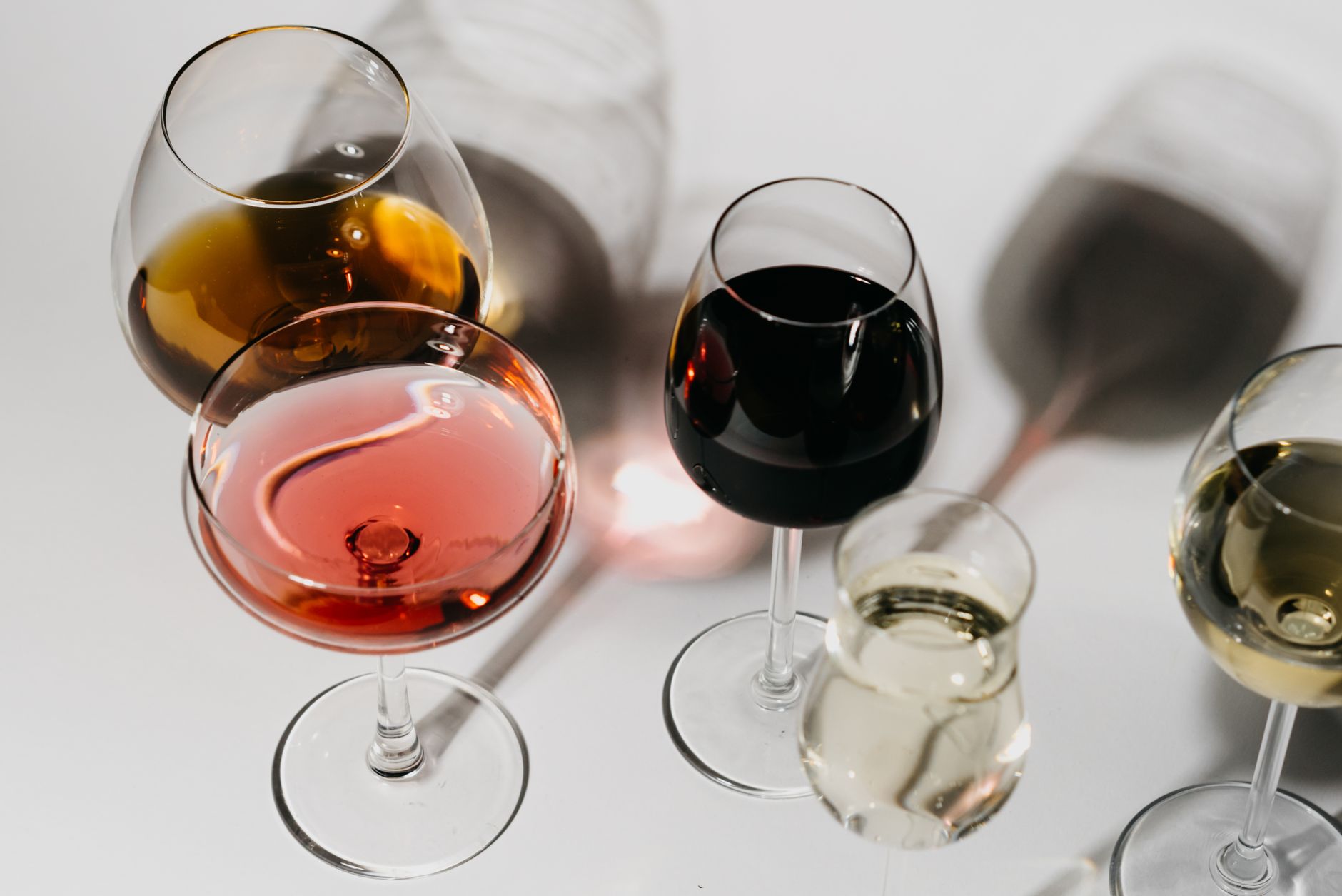
These two bottles are sold only through Mercian’s own online shop within Japan, so they are hard to obtain in Europe. Even so, if you come across the Chateau Mercian name at a specialist shop or importer handling Japanese wine, it is worth picking up a bottle. If you are familiar with Spanish Tempranillo and Albarino, it is fun to compare and imagine how the same varieties express themselves in the coolness of Japan’s mountains and among its grasses. When choosing wine, look beyond taste to “what nature the vineyard is protecting”. This article may prompt you to try that new way of choosing.
Sources
This article was written by The Sake Wire editorial team, summarising the public sources listed above. Images are our own.
Try Akita sake in the EU — from €6
180 ml tasting bottles and full-size sake, wine, beer and gin, shipped from Amsterdam within the EU.


