"Meshimai Jozo": Brewing Sake from Uonuma Koshihikari Polished to 90%
Niigata's FERMENT8 has released Hiroshin Meshimai Jozo, a sake brewed from Uonuma Koshihikari rice polished to 90%, almost the same as table rice.
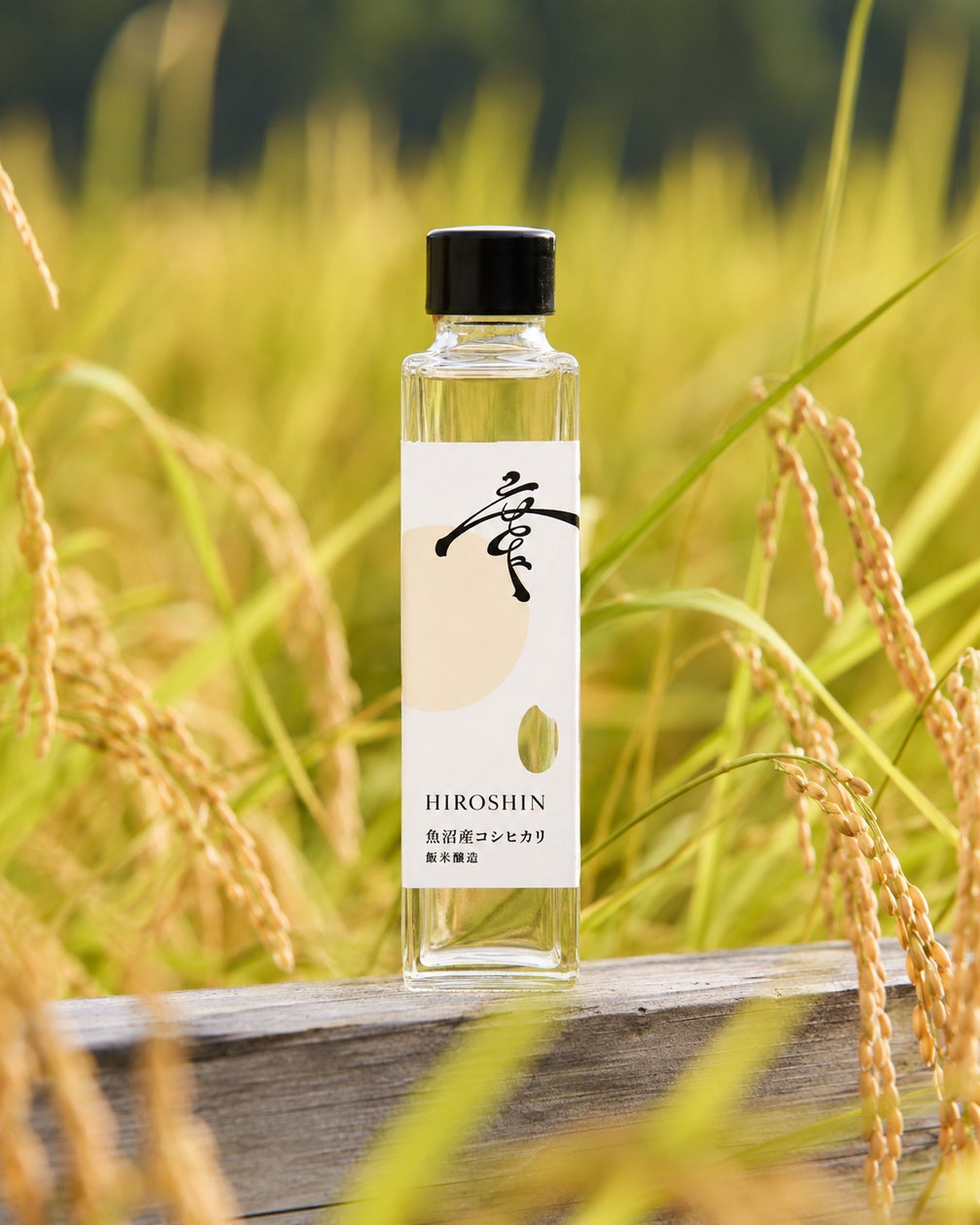
Sake is normally made from dedicated varieties known as “sake rice”. FERMENT8 of Niigata Prefecture is challenging that convention from a different angle. On 15 September 2026, the company released Hiroshin (Hiroshin) Meshimai Jozo, a sake brewed from Uonuma Koshihikari, one of Japan’s best-known eating rices, left in almost the same state as the white rice cooked at home. Uonuma is a mountainous area in southern Niigata Prefecture, highly regarded in Japan as a renowned Koshihikari-growing region.
The same rice, from one extreme to the middle
Hiroshin is a project that reconsiders Uonuma Koshihikari as a raw material for sake. The name comes from a family trade name handed down in the household of Kakuhari, who is working on the project jointly. The first sake was a junmai daiginjo, for which the rice was heavily polished. The next went the opposite way: “Genmai Jozo”, brewed from brown rice grown without agricultural chemicals and not polished at all. The third, this latest sake, sits between the two. Koshihikari sake born from this project has also been adopted for the “GO” series by Tsunan Jozo, also in Niigata Prefecture, and is still sold in Japan and overseas today.
“90%”, polished at a coin-operated rice mill
The “rice polishing ratio” is the proportion of the rice that remains after the brown rice has been polished. Daiginjo sake is generally polished down to 50% or less, and removing the proteins and fats on the outside is said to make the sake more likely to be fragrant and light. By contrast, the white rice we usually eat has about 10% polished away, meaning a polishing ratio of roughly 90%. The rice for this sake was polished not on a special sake-brewing mill but on an ordinary coin-operated rice mill of the kind found on street corners in Japan. Tsunan Jozo handled the brewing; the alcohol content is 15.5%, and it is produced in small quantities in 150 ml bottles. In general, sake made from rice that is polished less tends to show more pronounced umami and sweetness.
Building a path between eating rice and sake rice

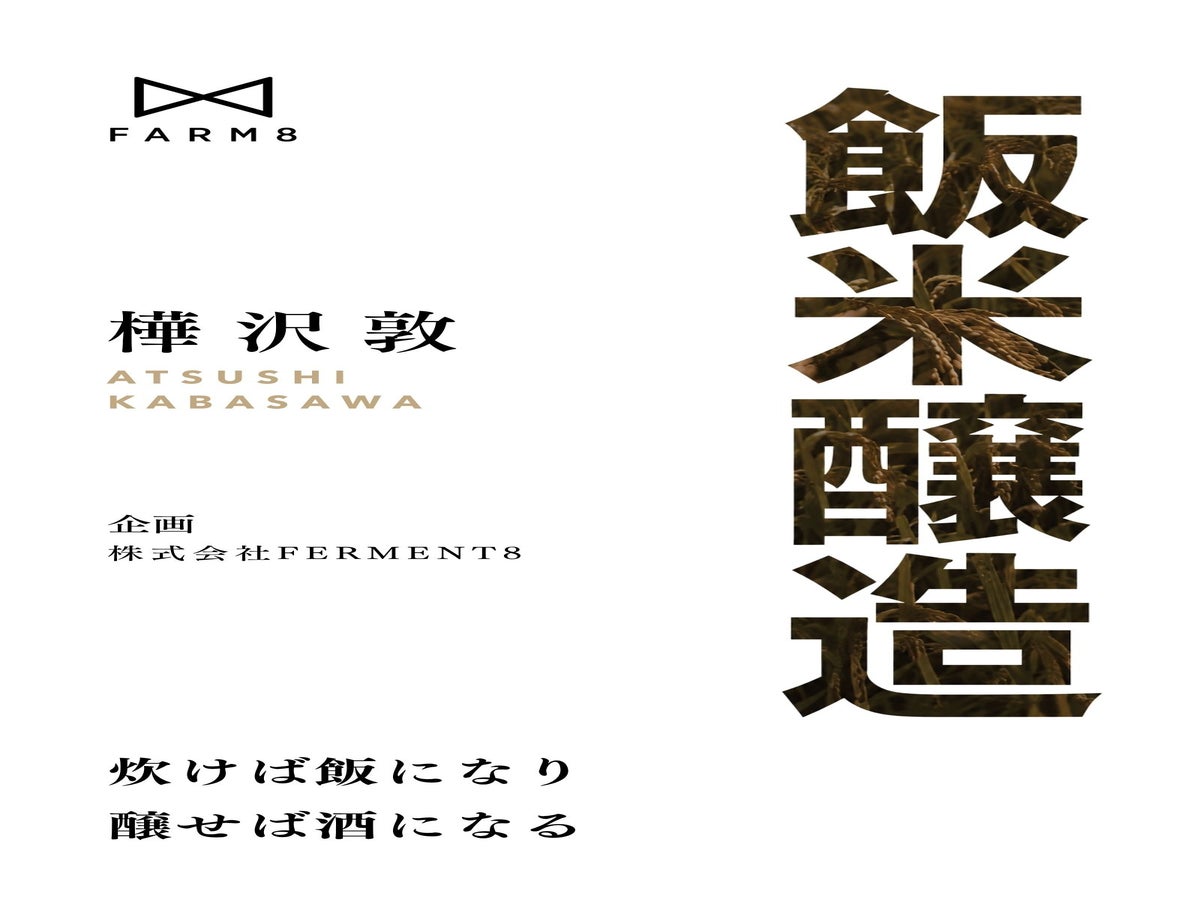
What FERMENT8 takes issue with is that eating rice and sake rice move in separate markets. When demand for sake falls, sake rice is left in surplus, while eating rice can face shortages and price rises. Yet rice production cannot be adjusted quickly. If sake can be made from the rice people eat every day, farmers gain more outlets for their rice. The company states plainly that this is not a rejection of sake rice, and has also published a book setting out its thinking, “Meshimai Jozo” (by Atsushi Kabasawa).
This sake itself has not yet reached Europe, but the point of interest is clear. Look at the polishing ratio on the label and seek out sake in the 70–90% range that is “not polished much”. You may find a thickness of the rice itself, quite different from the delicate aroma of a daiginjo. Serving it slightly warmer, or pairing it with Japanese dishes and stews that go well with rice, can make its character easier to appreciate. If you want to try a Koshihikari sake, Tsunan Jozo’s “GO” series, which is also distributed overseas, would be a good way in.
Sources
- PR TIMES(株式会社FERMENT8)「コシヒカリから日本酒チャレンジ。純米大吟醸、玄米醸造につづき、食べるままの白米から「飯米醸造」を発売。」
- SAKE Street「日本酒の「精米歩合(せいまいぶあい)」とは?高い・低いと味はどう変わる?数字からわかる特徴を解説」
This article was written by The Sake Wire editorial team, summarising the public sources listed above. Images are our own.
Try Akita sake in the EU — from €6
180 ml tasting bottles and full-size sake, wine, beer and gin, shipped from Amsterdam within the EU.


