Kobe's Venerable Fukuju: The 14th Head Sketches the Next Era
Hironobu Kubota has become president of Kobe Shushinkan, founded in 1751, as its 14th family head, and under the banner of "sustainable luxury" he aims to carry the family sake on to the next generati

A Family Business of 275 Years, Passed to the 14th Generation
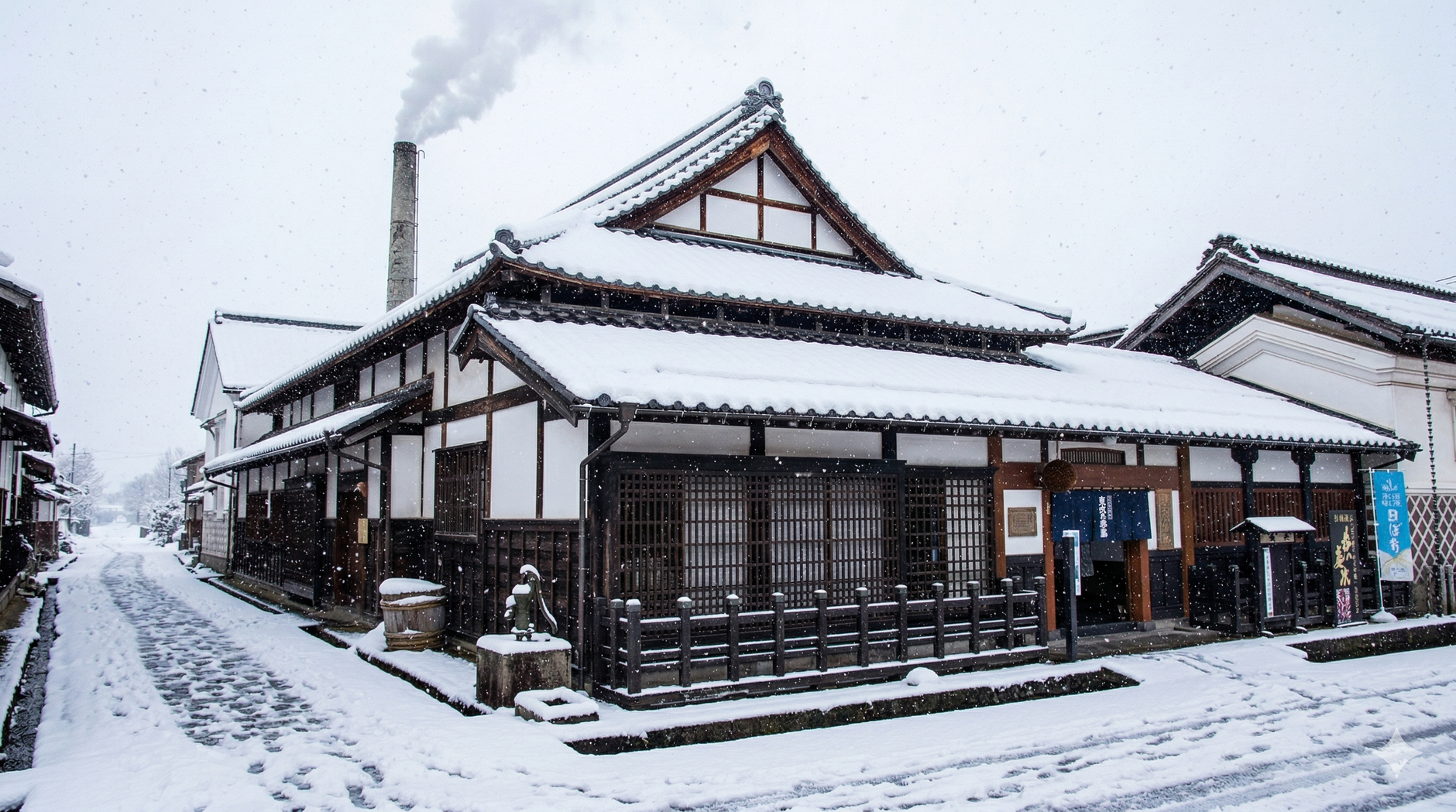
Kobe Shushinkan is a sake brewery in Kobe, Hyogo Prefecture, founded in 1751, before the Industrial Revolution had fully got under way in Europe. For 275 years since, the same family has run the business and brewed sake alongside the local community. In July 2026, Hironobu Kubota, the 14th head of the family, took over as president. Many sake breweries in Japan are still run by the same family over several centuries. A change of head is an important milestone: a moment to protect tradition while setting a direction suited to the times.
The Fukuju Poured at the Nobel Prize Banquet
The company’s flagship brand is Fukuju. Fukuju Junmai Ginjo in particular is known for having been served repeatedly at official Nobel Prize events. Junmai ginjo is one of the quality classifications of sake. It is made only from rice, rice koji and water, with no added brewing alcohol. The rice is polished down to 60% or less of its original weight; this proportion is called the “seimai buai” (rice polishing ratio). It is generally characterised by a fragrant, fruit-like aroma and a clean, crisp taste.
“Sustainable Luxury” as the Answer
The new president’s keyword is “sustainable luxury”. He says he will pursue sake brewing that respects the environment and makes use of local resources, while creating new added value and passing the Fukuju brand on to the next generation. In the European wine industry, too, family-run wineries are increasingly polishing their brands around environmental care. Japan’s long-established breweries may be facing the same challenge. How the specific initiatives take shape is something to watch for in future announcements.
If you would like to enjoy this story in Europe, start by looking for the “Fukuju” name on the label at a sake specialist shop or online store. Junmai ginjo is best served well chilled in a white wine glass, which lets the aroma open up. It pairs easily with white-fish carpaccio, grilled seafood and lightly flavoured cheeses. It will be interesting to see what new sake and environmental initiatives a brewery with such a long history unveils on the occasion of this change of generation, and keeping that in mind may make each glass all the more enjoyable.
Sources
This article was written by The Sake Wire editorial team, summarising the public sources listed above. Images are our own.
Try Akita sake in the EU — from €6
180 ml tasting bottles and full-size sake, wine, beer and gin, shipped from Amsterdam within the EU.


