A Kanazawa Vintage Gin Made with Roses from Reclaimed Farmland
Budo no Mori of Kanazawa, Ishikawa, has released Mori no Gin Barado 2026, a yearly vintage gin made from damask roses grown on reclaimed farmland.
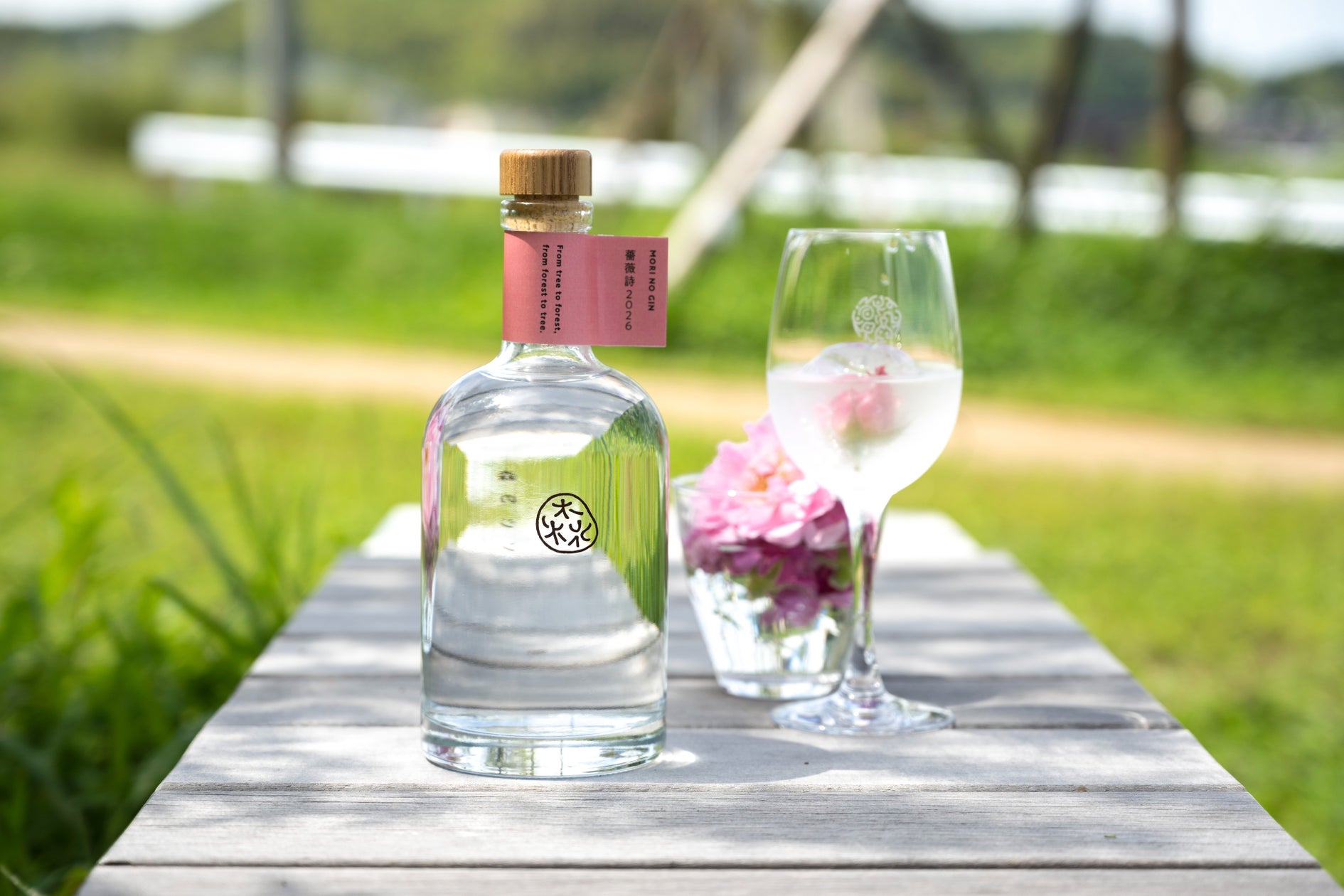
Ishikawa Prefecture lies on the Sea of Japan side of Honshu, Japan’s main island. In its capital, Kanazawa, Budo no Mori Co., Ltd., which runs a winery and restaurants, put the 2026 edition of its higher-tier craft gin, Mori no Gin Barado (“Ballad”), on general sale on 7 September 2026. Each bottle uses about 20 damask roses. The roses are grown in fields that the company has ploughed afresh on farmland that had fallen out of use. The gin is made only once a year, as a “vintage gin” that reflects how that year’s roses turned out.
Turning abandoned farmland into a rose garden
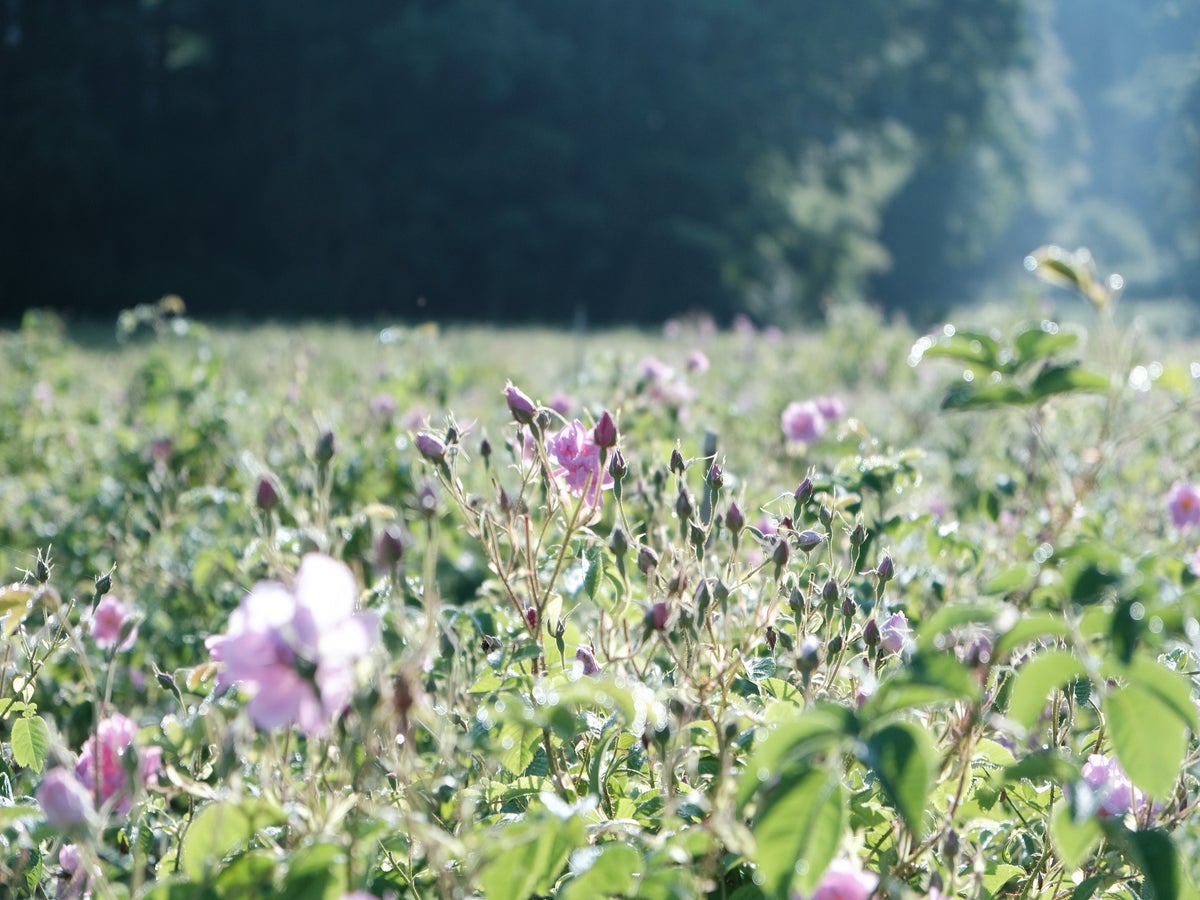
Across rural Japan, more and more farmland is being left untended because nobody is left to work it. Budo no Mori is running a project called MORI NO NIWA (“Forest Garden”) to bring such land back to life. On land it cleared again by hand, the company has planted about 1,800 damask rose plants and grown them without pesticides. The idea is to use the herbs and flowers it grows in its products, so that local nature and the local economy turn together. The company calls this being “nature positive”. The gin is the flagship product of the project.
Picked at dawn, distilled at once
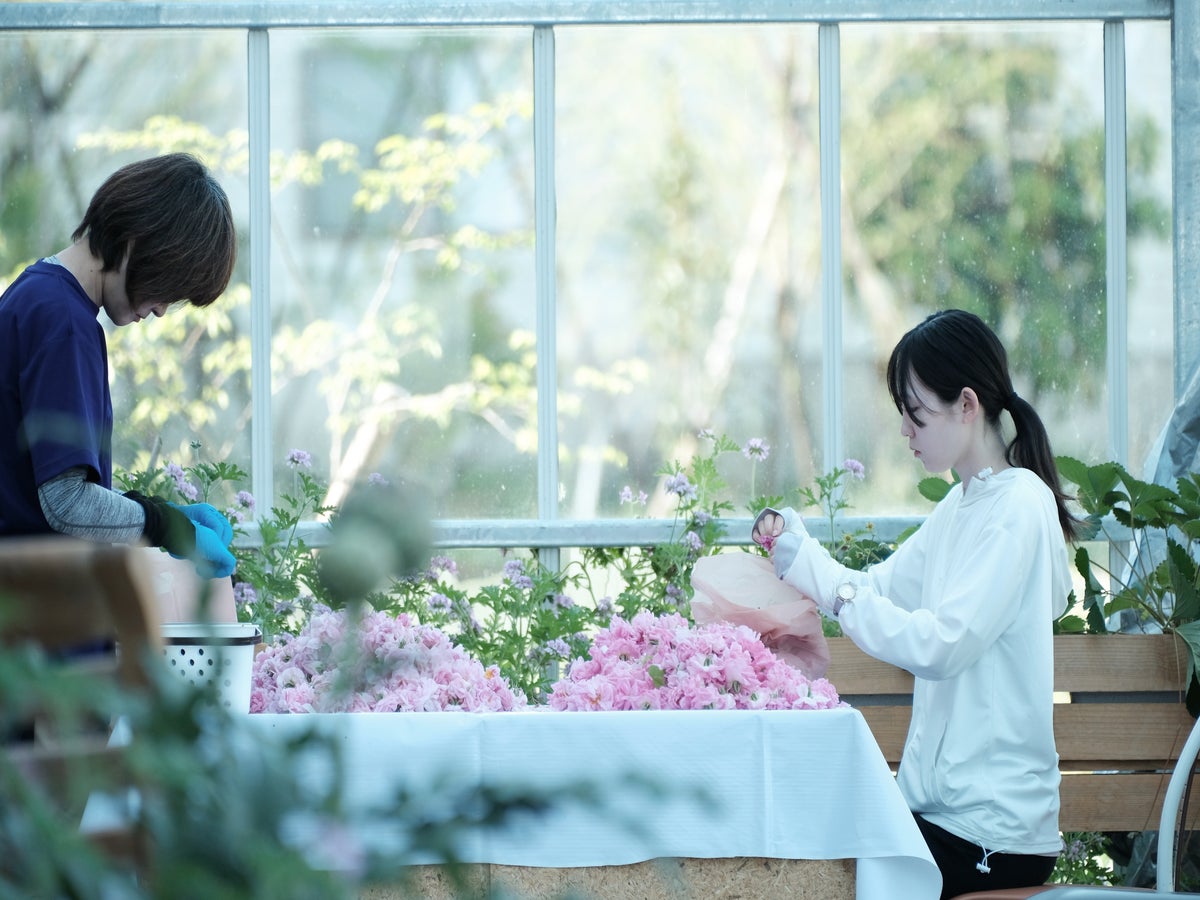
The roses are picked in the early morning, just as the flowers open. Each one is harvested by hand, the petals alone are torn off by hand, and they are distilled straight away at the distillery next to the field. Keeping the time between picking and distilling short preserves the fresh aroma. To this rose spirit the distiller, who is also a qualified sommelier, adds the peel of setoka, a premium Japanese citrus fruit, and of ume (a relative of the apricot), together with herbs grown by the company itself. The recipe is adjusted every year to suit the weather and the condition of the roses, so the contents change from vintage to vintage. The bottle holds 480 ml and costs 6,600 yen in Japan, tax included.
Aromas that open up with soda
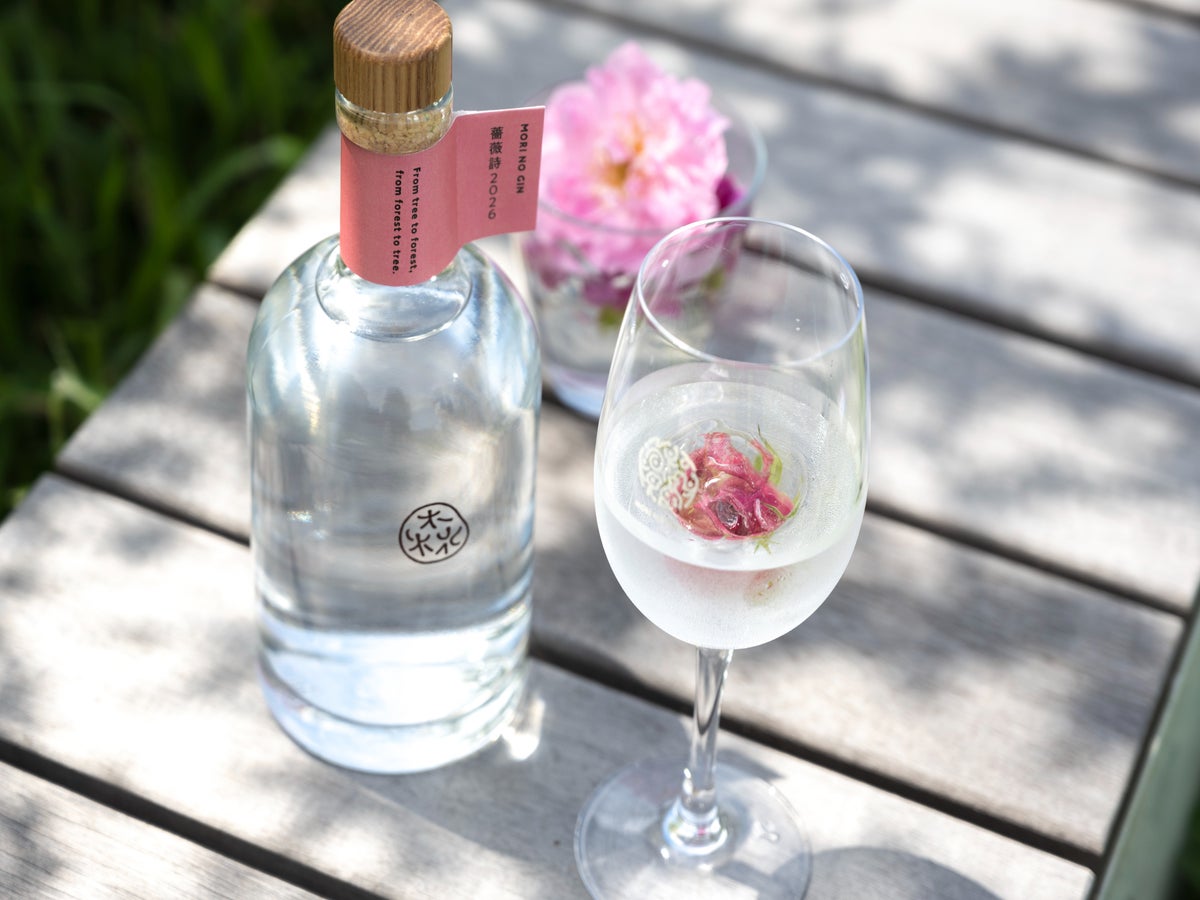
Because both the aroma and the flavour compounds are very concentrated, the makers recommend one part gin to seven parts mixer. Soda or tonic suits it well, as the aroma rises all at once when the bubbles burst. Topped up with unsweetened iced tea, it becomes something like Earl Grey with a layer of roses, and mixed with lychee juice it makes a floral cocktail.
For now, it is sold only in Japan, through the distillery shop and the official online shop among others, and no export plans have been announced. Even so, this one bottle shows a new current in Japanese craft gin: using locally grown plants and putting the “taste of the year” forward, as wine does. When looking for Japanese gin in Europe, check whether it uses local botanicals such as citrus or flowers, and whether the label carries a year. At home, try mixing a floral gin with unsweetened black tea or lychee to get close to the way this gin is meant to be enjoyed.
Sources
This article was written by The Sake Wire editorial team, summarising the public sources listed above. Images are our own.
Try Akita sake in the EU — from €6
180 ml tasting bottles and full-size sake, wine, beer and gin, shipped from Amsterdam within the EU.


