Kagoshima shochu exports up 13%, with South Korea now the biggest market
In the Kagoshima Sake Brewers' Association's 2025 brewing-year results, honkaku shochu exports rose 13.1% and South Korea overtook China as the top destination.

On 10 September 2026, the Kagoshima Prefecture Sake Brewers’ Association published its supply and demand figures for the 2025 brewing year (July 2025 to June 2026). Kagoshima lies at the southern tip of Kyushu and is Japan’s largest producer of honkaku shochu. Honkaku shochu is a traditional Japanese distilled spirit, made by fermenting rice, barley, sweet potatoes and other ingredients with koji and distilling them just once. In this year’s figures, domestic shipments rose slightly, while overseas shipments grew strongly for the second year running. The make-up of the export markets is also changing.
Overseas shipments up 13.1%, with South Korea now the top destination
Overseas shipments of Kagoshima honkaku shochu rose 13.1% on the previous year, an increase for the second consecutive year. China, until now the largest export destination, declined, affected by factors such as worsening Japan-China relations. South Korea has taken its place as the biggest export market, and shipments to Taiwan continue to grow. The association’s chairman, Yuichiro Hamada, said the aim is to grasp the needs of overseas markets accurately and to pursue steady, long-term efforts. The signs point to exporters spreading their reach across neighbouring Asian markets rather than relying on a single one.
At home, flavoured shochu is winning new drinkers

Production across the prefecture (converted to 25% alcohol by volume) fell 6.2% on the previous year, but shipments rose 1.6%. Shipments within Kagoshima Prefecture fell 4.6%, while those to other prefectures rose 5.7%, lifting the overall figure. According to the association, “flavoured shochu”, scented to go well with soda, has become popular and is starting to reach people who previously drank little shochu, such as young people and women in Tokyo and Osaka.
Amami’s brown sugar shochu still needs to raise its profile
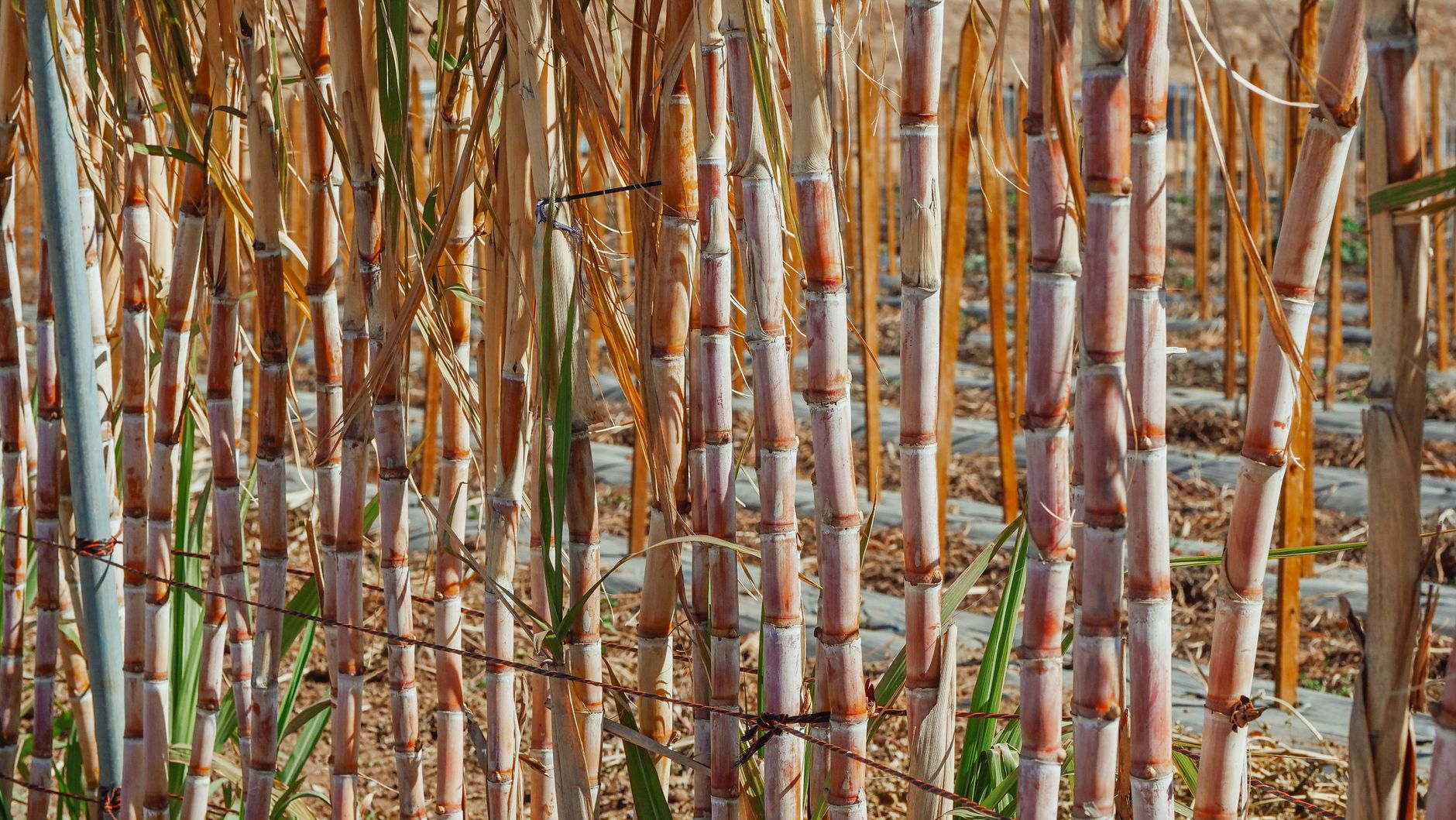
Brown sugar shochu (kokuto shochu), which may be produced only in the Amami Islands of Kagoshima Prefecture, is made from brown sugar and rice koji. Production rose 0.6% and shipments fell 2.6%, so figures were broadly in line with the previous year. Vice-chairman Shinichiro Inui explained that local consumption is struggling because of a shrinking drinking population and a wider choice of drinks. Awareness of brown sugar shochu remains low both in Japan and abroad, he said, and the market needs to be widened beyond the islands.
Enjoying shochu in Europe
If you are looking for honkaku shochu in Europe, try Japanese food shops or specialist importers, and choose bottles whose labels state the raw material (sweet potato, barley, rice or brown sugar), which makes it easier to compare differences in flavour. To start, top it up with soda and add a slice of lemon for a light highball. Brown sugar shochu has a faint sweet aroma reminiscent of rum, yet finishes cleanly. It is best on the rocks or diluted with water, alongside grilled seafood or salty dishes. As shochu grows in popularity across Asian markets, it will be interesting to see which brands appear on shelves in Europe too.
Sources
This article was written by The Sake Wire editorial team, summarising the public sources listed above. Images are our own.
Try Akita sake in the EU — from €6
180 ml tasting bottles and full-size sake, wine, beer and gin, shipped from Amsterdam within the EU.


