Japan's food exports hit a record ¥897.7 billion in the first half
In the first half of 2026, Japan's exports of agricultural, forestry, fishery and food products rose 10.9% year on year to ¥897.7 billion, a new record. Matcha led the growth, while beer and other dri

The US takes first place, and major Asian markets stay firm

On 4 August, Japan’s Ministry of Agriculture, Forestry and Fisheries (MAFF) published final figures based on the Ministry of Finance’s trade statistics. Exports of agricultural, forestry, fishery and food products from January to June 2026, including small-value consignments, came to ¥897.7 billion. That was 10.9% more than in the same period a year earlier and the highest ever for a first half. The top destination was the United States at ¥162.6 billion (up 15.3%). Next came Hong Kong at ¥110.0 billion (up 3.0%), China at ¥94.0 billion (up 4.3%) and Taiwan at ¥88.2 billion (up 9.5%). June alone came to ¥147.1 billion, up 6.8% on the same month a year earlier. MAFF points to the spread of interest in Japanese food, the growing familiarity with Japanese products through visitors to Japan, and a rise in health consciousness as reasons for the increase. It believes that larger volumes from existing trade, together with progress in opening up new sales channels, pushed exports higher.
Drinks also grow in neighbouring Asian markets
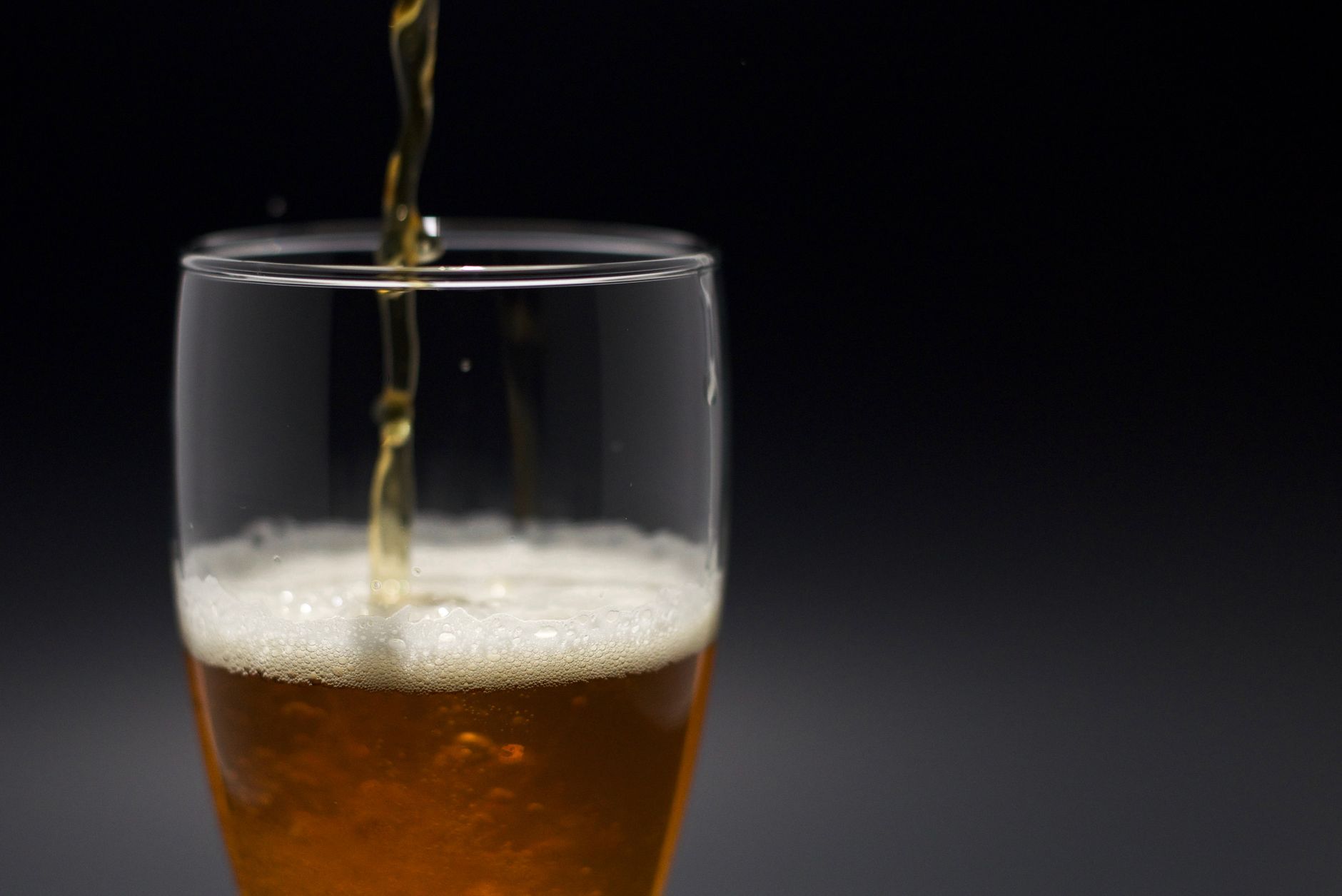
Alcoholic drinks also feature in the movements by country and region. In South Korea, exports of beer rose alongside yellowtail. In China, exports of alcoholic beverages grew, together with logs and soft drinks. The announcement does not give figures by type, such as sake or whisky. Even so, as Japan’s food exports as a whole gain momentum, it appears that demand for Japanese drinks is also spreading in neighbouring Asian markets.
Green tea, including matcha, grew the most
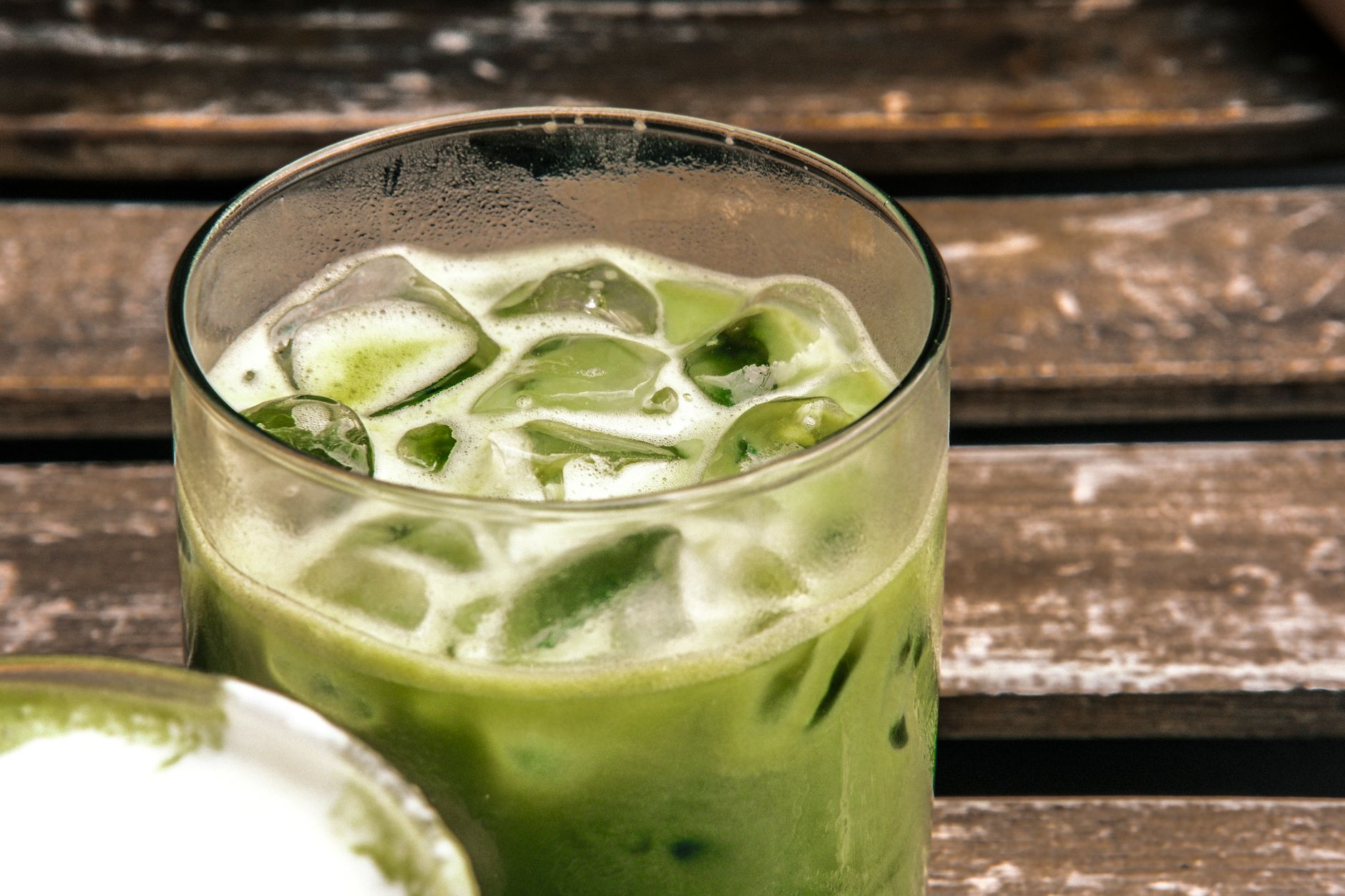
By product, green tea grew the most, up ¥22.0 billion on the same period a year earlier. The main factor is said to be greater demand in Europe, North America and ASEAN (the Association of Southeast Asian Nations) for powdered teas such as matcha, which is used in lattes and sweets. Next came yellowtail, sent mainly to North America and South Korea, up ¥17.8 billion, and seasonings such as sauces, up ¥5.1 billion. The popularity of matcha spreading in the West also shows up in Japan’s export statistics.
For European readers, these figures point to Japanese food becoming more familiar still. Cafés where the matcha latte has become a staple, and a growing number of Japanese restaurants, can also be a way into Japanese drinks. At Japanese restaurants and importers’ shops that stock Japanese food, it is worth looking at the range of Japanese beer and sake too. You might pair a chilled, dry sake with teriyaki yellowtail or sashimi, or a slightly sweeter sake with matcha desserts, matching drinks to the ingredients whose exports are growing.
Sources
- JETRO Business Short Report, “First-half exports of agricultural, forestry, fishery and food products hit a record ¥897.7 billion” https://www.jetro.go.jp/biznews/2026/08/e47598ab3d93df2e.html
Sources
This article was written by The Sake Wire editorial team, summarising the public sources listed above. Images are our own.
Try Akita sake in the EU — from €6
180 ml tasting bottles and full-size sake, wine, beer and gin, shipped from Amsterdam within the EU.


