Ishinomaki's first winery opens on the site of a closed school, aiming for 5,000 bottles
A winery on the site of a former school in quake-hit Ishinomaki, Miyagi, has begun its first vintage, aiming for 5,000 bottles of red, white and orange.
Ishinomaki, on the Pacific coast of Miyagi Prefecture in north-eastern Japan, is a port city that was severely damaged by the Great East Japan Earthquake of 2011. According to the local newspaper Kahoku Shimpo, in the city’s Ogatsu district, the first wine-making has begun at Moriumiasu Marine & Food, a facility built on the site of the former Ogatsu Junior High School. The complex combines a winery and a cafe, and it is the first winery to open in Ishinomaki. This season it aims to produce 5,000 bottles in total across three types: red, white and orange.
Grapes from the neighbouring prefecture, and wild yeast

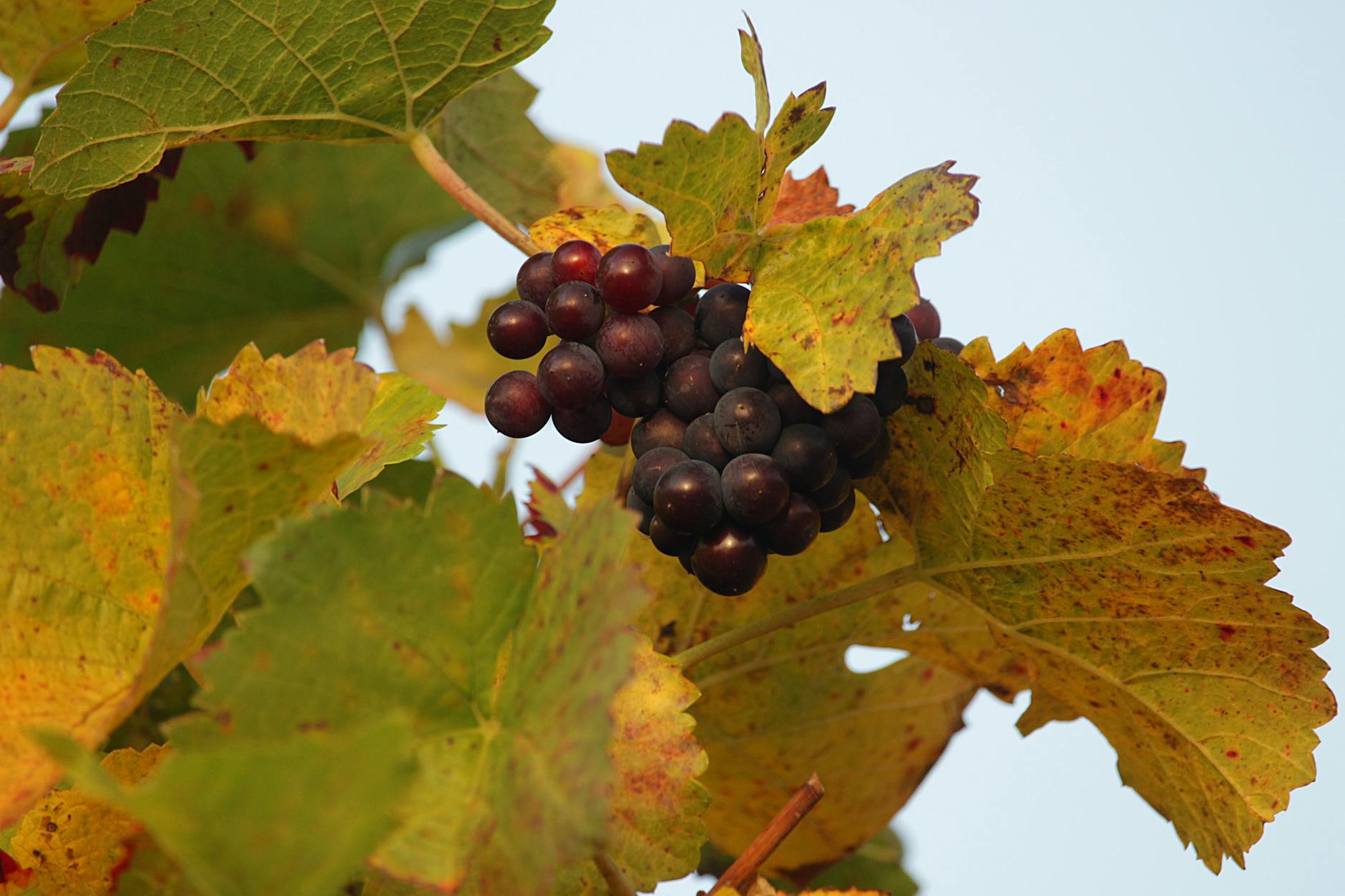
The grapes are sourced from Yamagata Prefecture, which borders Miyagi to the south-west and is known as one of Japan’s leading fruit-growing regions. Work began at the end of August, and at the time of the report the winery had made two products, a white and an orange, using Delaware and Seyval. Delaware is a small, pale reddish-purple grape that has long been enjoyed in Japan, including as a table grape. Seyval is a French hybrid variety that is cold-hardy and is therefore grown in Japan’s cooler wine regions. Neither is well known in Europe’s wine regions, and both can be counted among the sources of Japanese wine’s distinctive character.
Destemmed, pressed and fermented in tanks

The process begins by removing the stems from the bunches and pressing the grapes. The juice then undergoes primary fermentation in tanks using the wild yeasts naturally present on the grapes and in the environment, with no cultured yeast added. Wild yeasts make the speed of fermentation and the development of aromas harder to predict, but they tend to bring out a flavour particular to the place and the year. Choosing this approach from the very first year suggests an intention to build character through small-scale, hand-made production.
How to enjoy it in Europe
With a first-year output of only 5,000 bottles, it is unlikely that this winery’s wines will reach Europe any time soon. Even so, the story offers a clue to what Japanese wine is like today. If you come across a specialist shop or restaurant in Europe that stocks Japanese wine, look for the grape names “Delaware” and “Seyval” on the label. You may discover a light, fruit-rich style quite unlike European wines. If you like orange wine, try looking for a Japanese one and pairing it with seafood or dashi-based Japanese dishes. Knowing that a closed school in a seaside town that lived through the earthquake is being reborn as a new winery may make each glass all the more meaningful.
Sources
This article was written by The Sake Wire editorial team, summarising the public sources listed above. Images are our own.
Try Akita sake in the EU — from €6
180 ml tasting bottles and full-size sake, wine, beer and gin, shipped from Amsterdam within the EU.