28-year-aged koshu "Inishie no Bishu 1998" wins gold at two international competitions
Takumi Sosei, part of the Pasona Group, has launched "Inishie no Bishu 1998", a sake brewed in 1998 and matured for decades, which won gold in the aged-sake categories at IWC and Kura Master.
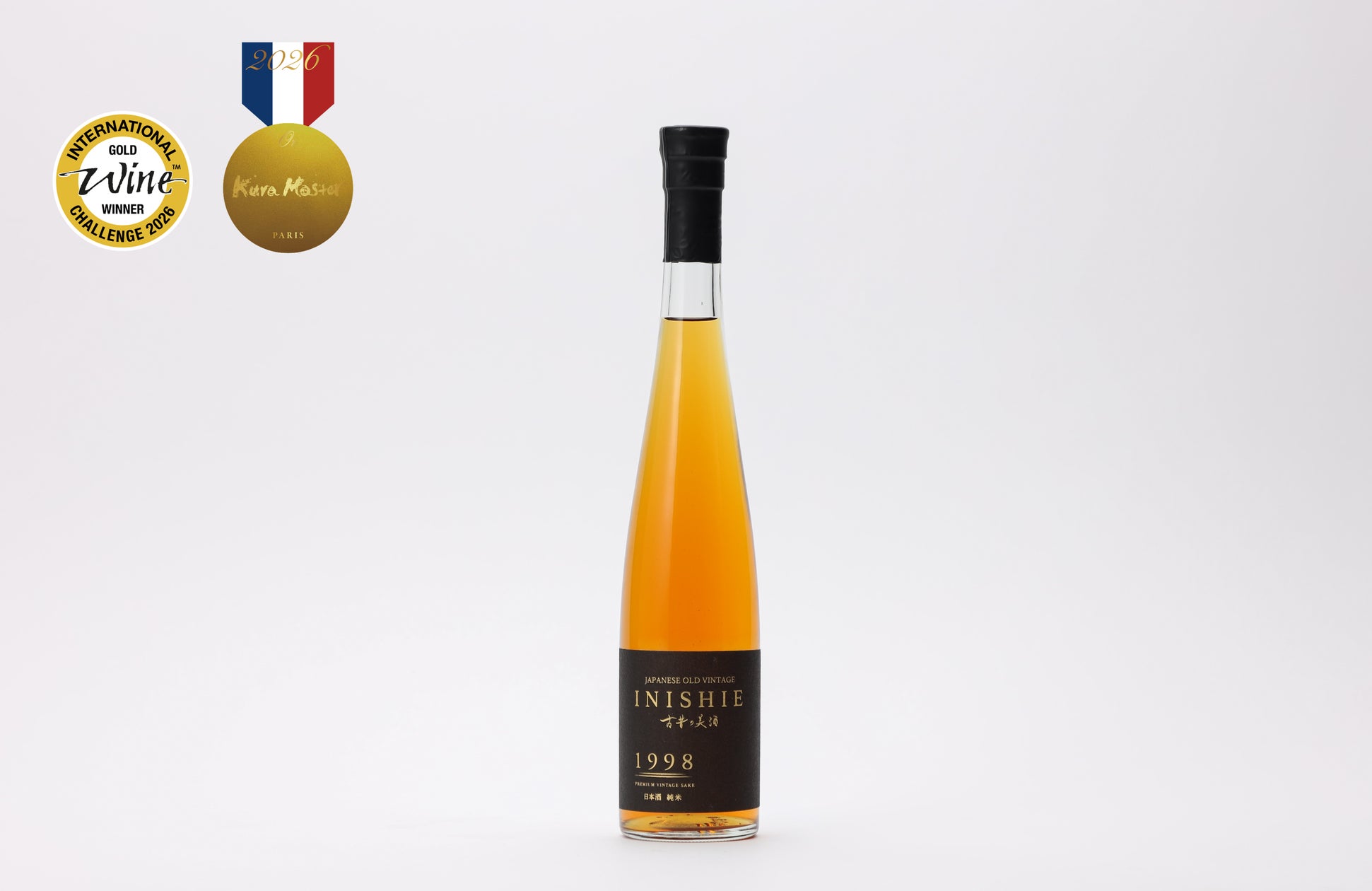
Most sake is drunk fresh, within about a year of pressing. Sake that is instead left to mature for decades is called “koshu” (aged sake), and it is winning growing international acclaim. Takumi Sosei Co., Ltd., part of the major staffing and services company Pasona Group, has its head office on Awaji Island in Hyogo Prefecture, an island to the south-west of Kobe. On 2 July 2026, the company launched a new release, “Inishie no Bishu 1998”, in Japan under its aged-koshu brand “Inishie no Bishu”.
28 years of maturation, gold at two international competitions
This sake has been matured for about 28 years, and won gold at two international competitions in 2026. One is the International Wine Challenge (IWC), a blind-tasting competition founded in 1984. IWC added a sake category in 2007 and it has become the largest sake competition held outside Japan. The gold medal was awarded in the aged-sake (koshu) class of that sake category. The other is the aged-sake category of Kura Master 2026, a France-based sake competition judged mainly by French professionals. It is notable that European judges rated an aged sake so highly. In November 2023, Takumi Sosei opened “Nihon no Koshu-gura”, a shared storage facility dedicated to aged sake. There it handles everything from storage to bottling, shipping and product development, and it also works to support breweries and build sales channels.
Aromas of honey, apricot and caramel
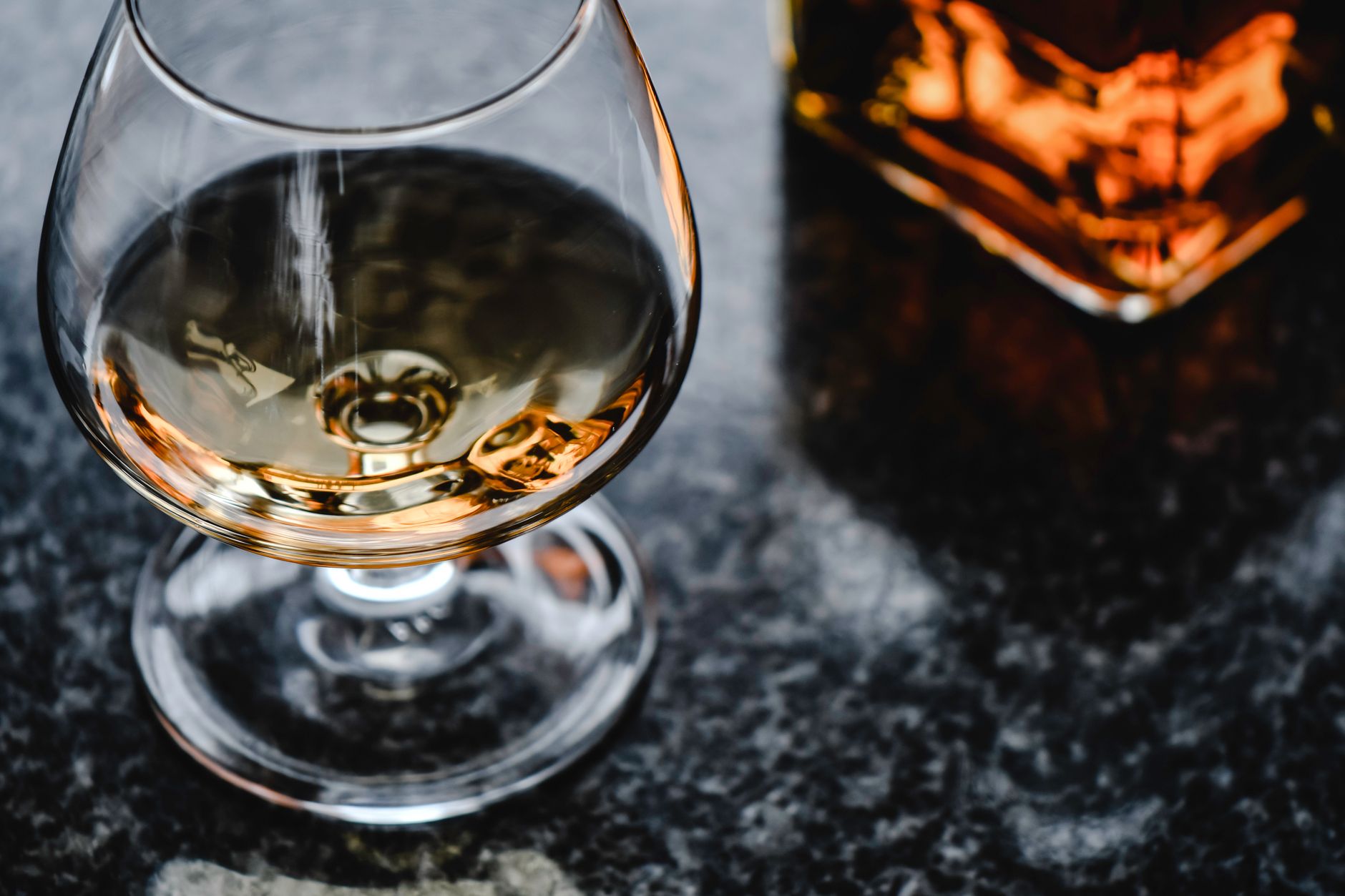
According to the announcement, the moment the sake is poured into the glass, a honeyed sweetness rises along with a calm aroma reminiscent of dry oak casks. The bouquet is complex, with layers of yellow peach and apricot compote, caramel and a hint of spice. The texture is smooth, and as it develops the savoury umami of the rice spreads quietly, followed by a long finish with a pleasant bitterness. The aromas created by maturation are also the subject of scientific research. Compounds such as sotolon, which recalls caramel and dried fruit, and diethyl succinate, with its honey-like scent, are known.
How to enjoy it in Europe

“Inishie no Bishu 1998” comes in a 375 ml bottle, with an alcohol content of 18%, and sells in Japan for 13,200 yen. No plans for sales in Europe have been announced at present. Many koshu print the vintage on the label, as with wine. When searching in Europe, look for the words “koshu” or “jukuseishu” (aged sake) together with a year. The lists of winners in the aged-sake categories at IWC and Kura Master can also be a useful guide. Do not over-chill it, and sip it a little at a time from a small wine glass. Enjoyed as an after-dinner drink, like sherry or old port, it makes it easier to appreciate the interplay of sweetness and bitterness.
Sources
- PR TIMES(パソナグループ)「熟成古酒のプレミアムブランド 「古昔の美酒(いにしえのびしゅ)」 2つの国際コンクールで金賞受賞『古昔の美酒1998』 7月2日販売開始」
- SAKE Street「日本酒の香り成分とその表現方法について深く知っておこう! - 日本酒の香りを学ぶ(熟成香編)」
This article was written by The Sake Wire editorial team, summarising the public sources listed above. Images are our own.
Try Akita sake in the EU — from €6
180 ml tasting bottles and full-size sake, wine, beer and gin, shipped from Amsterdam within the EU.


