Two Hombo Shuzo shochu win Gold Outstanding at ISC 2026
Two shochu from Hombo Shuzo of Kagoshima, the sweet potato 'Genshu Tamashii no Imo' and the barley 'Yakushima Daishizenrin Mugi', won Gold Outstanding at ISC 2026 in London.
Shochu, Japan’s distilled spirit, has won high praise at a British competition. Hombo Shuzo of Kagoshima Prefecture has announced that two of its brands received Gold Outstanding in the shochu category at the International Spirits Challenge (ISC) 2026, held in London. Kagoshima lies at the southern tip of Kyushu and is known as a region with a thriving shochu tradition. Shochu is a different drink from sake: whereas sake is a brewed alcohol, shochu is made by fermenting ingredients such as sweet potato or barley and then distilling the result.
A spirits competition run by a British trade publication
The ISC is a spirits competition organised by the British drinks publisher Drinks International, and 2026 marks its 31st edition. Alongside gin, vodka, tequila and other categories, it has a dedicated shochu category. Judging is done by industry experts in blind tastings, with the brands concealed. Among the gold, silver and bronze awards, Gold Outstanding is given to the finest products within the gold tier. The trophies, the top prize in each category, were due to be announced at an awards ceremony held on 6 October at Merchant Taylors’ Hall in London.
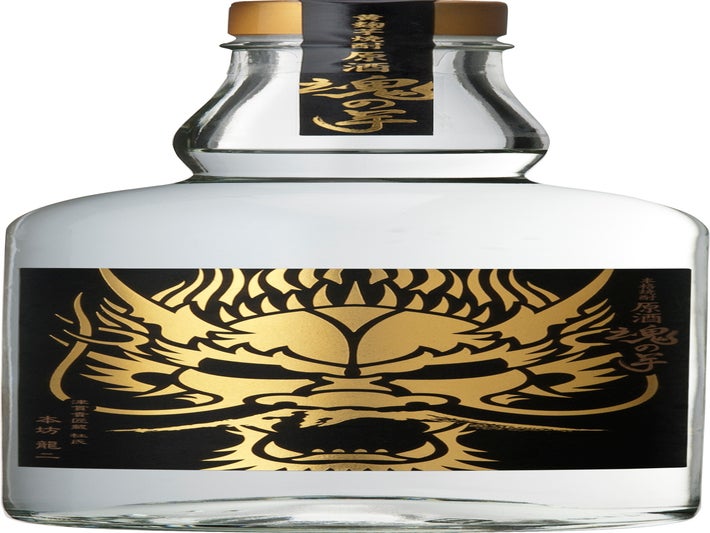
A sweet potato shochu for the wine glass: ‘Genshu Tamashii no Imo’
‘Genshu Tamashii no Imo’ is a sweet potato shochu made from sweet potatoes and rice koji. Koji is grain on which koji mould has been grown, and its role is to convert the starch in the raw materials into sugar. The toji (head brewer) at Hombo Shuzo’s Kisho-gura made it with the idea that it should be ‘enjoyed in a wine glass’. ‘Genshu’ refers to a spirit bottled after distillation without being diluted with water, and this one has an alcohol content of 36%. It is described as having a sweet aroma reminiscent of ripe fruit and a clean finish.
A barley shochu fermented in Yakushima jars: ‘Yakushima Daishizenrin Mugi’
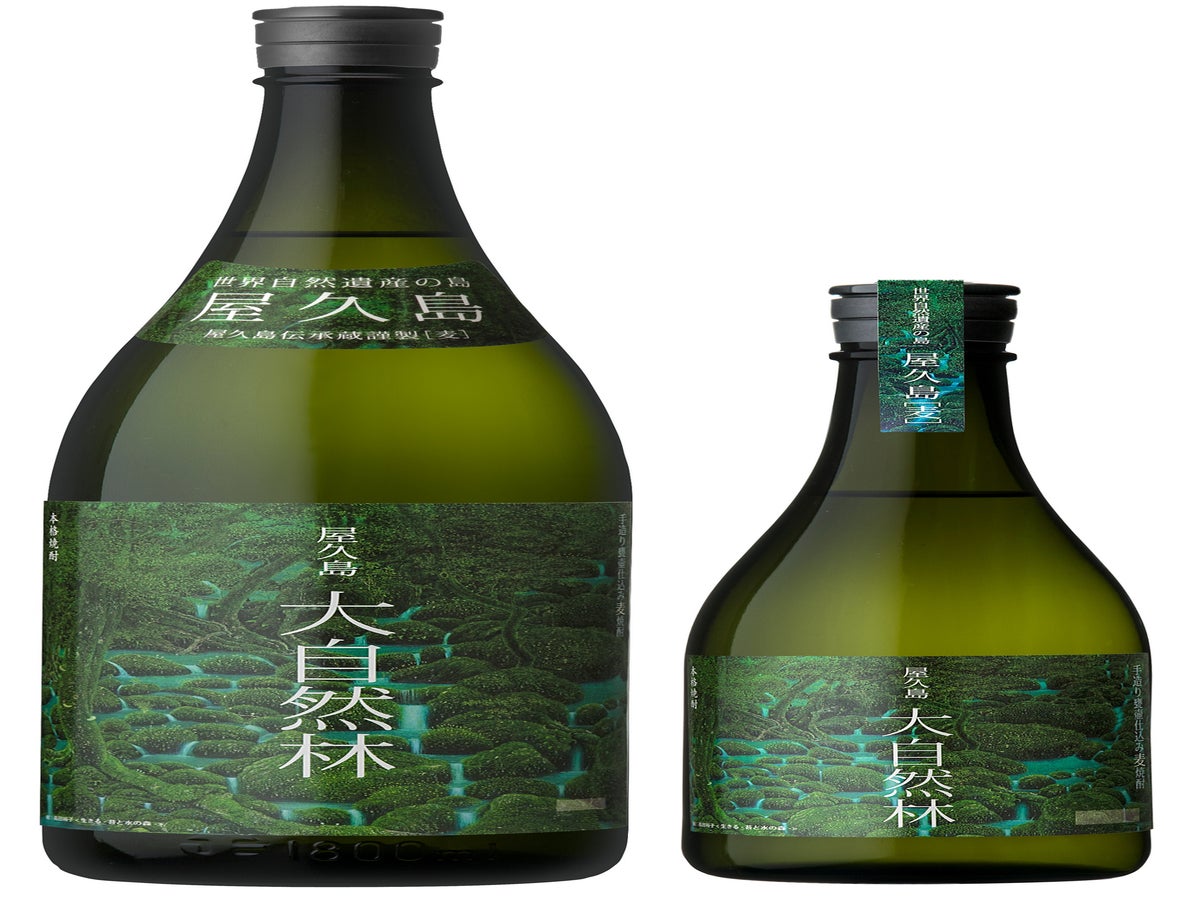
The other award-winning spirit is a barley shochu made at the Yakushima Denshogura on Yakushima, an island lying in the sea south of Kagoshima Prefecture. It is made by a traditional hand-crafted method using large unglazed earthenware jars (kame). The ingredients are two-row barley grown in Kagoshima Prefecture and barley koji, and the soft water of Yakushima is used for the mash. Besides the toasty aroma that comes from the barley koji, it is said to have a rich flavour reminiscent of cacao and honey. Its alcohol content is 25%.
If you want to track down these two bottles in Europe, the quickest route is to ask specialist shops and importers that handle sake and Japanese spirits. In Japan, too, some bottle sizes are sold only through designated retailers, so finding one is a rare opportunity. Pour ‘Tamashii no Imo’ into a wine glass, as the distillery intended, and enjoy how the aroma changes when drunk neat. The barley shochu can be drunk neat or on the rocks, and a little water opens up its cacao and honey-like flavours.
Sources
This article was written by The Sake Wire editorial team, summarising the public sources listed above. Images are our own.
Try Akita sake in the EU — from €6
180 ml tasting bottles and full-size sake, wine, beer and gin, shipped from Amsterdam within the EU.


