Toyama's oldest brewery marks 400 years with two junmai daiginjo
Hayashi Shuzojo, Toyama's oldest sake brewery, has marked its 400th anniversary with two junmai daiginjo, made from local Gohyakumangoku and rare Aiyama rice, limited to 400 bottles each.
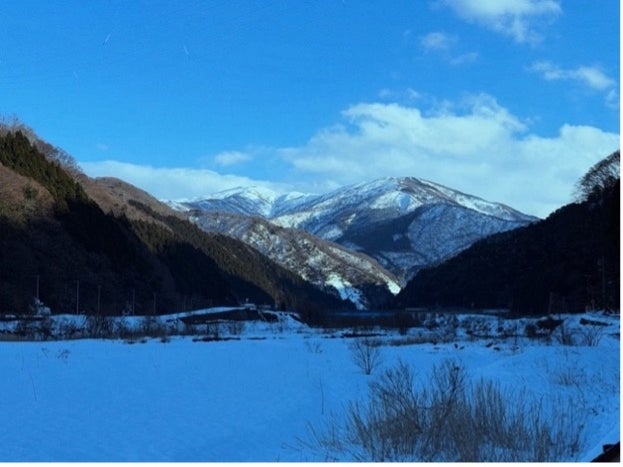
The terroir of Sakai: rice and water from the brewery’s own land
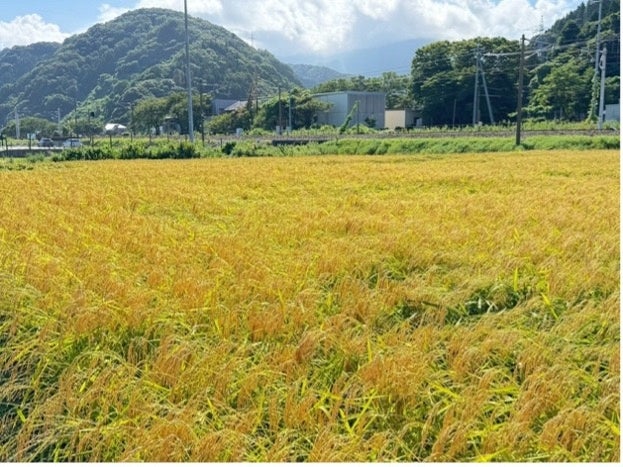
Hayashi Shuzojo was founded in 1626 in Sakai, Asahi town, Toyama Prefecture, on the Sea of Japan coast. It is said to have begun when a samurai serving at a checkpoint of the Kaga domain (the feudal house that ruled what are now Ishikawa and Toyama prefectures in the Edo period) started brewing sake. Near the brewery, the mountains of the Northern Alps drop in sheer cliffs into the sea. The first of the commemorative sakes, the Gohyakumangoku edition, uses only Gohyakumangoku sake rice grown in paddies in the Sakai district, where the brewery stands. The brewing water is subterranean water that has been naturally filtered as Northern Alps snowmelt runs underground down the steep terrain. The district’s population has declined, and it had become hard to keep farmland in use. Returning paddies to sake-rice cultivation is also a way of passing the local landscape on to the next generation. To mark its 400th year, the brewery also collected a new house yeast from near the household shrine in its old brewing hall. Named “Hayashi 400”, this yeast is used in both sakes.
Hand-crafting the difficult sake rice Aiyama

The second sake is made solely from Aiyama grown in Hyogo Prefecture. Aiyama is scarce and is said to be especially difficult to work with even among sake rice varieties. For this delicate rice the brewery took two approaches. One is to grow all the koji in small wooden boxes called koji-buta, a method said to take more than ten times the effort of widely used methods. The other is a rice-washing process in which the rice is divided into 10 kg batches and the amount of water it absorbs is adjusted to the gram. At the same time, young brewers record the temperature and fermentation progress of the moromi (fermenting mash) digitally, checking the craftsmen’s experience against figures and using it in the next brew.
Specifications of the commemorative sakes and the brewery’s track record
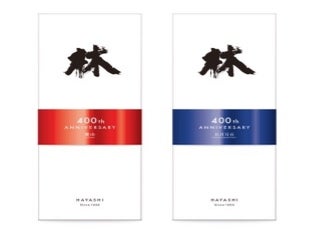
Both are junmai daiginjo. This is the top grade of sake, made only from rice, rice koji and water, with the rice milled to half its original weight or less. Each comes in a 720 ml bottle at 16% ABV, limited to 400 bottles, and each bottle carries a serial number. Both are priced at 25,000 yen (excluding tax). They go on sale on 25 October 2026, sold only at the brewery and 32 retailers in Japan. The brewery, led by toji (head brewer) Hideki Hayashi, became the first in Toyama Prefecture to win gold at the National New Sake Appraisal for five consecutive years. Its flagship brand “Hayashi” also won a medal at the 2026 IWC (International Wine Challenge).
No plans for sales in Europe have been announced for this commemorative sake. For European readers, the one to look at is the “Hayashi” junmai ginjo series, which shows the brewery’s thinking well. All the bottles are milled to 55% (the proportion of rice remaining after polishing), and only the sake rice changes: Gohyakumangoku, Yamada Nishiki and Omachi. Tasting them side by side lets you grasp the differences between rice varieties, much like comparing wine grape varieties. The brewery champions sake that “stays close to the meal”, so the character is easiest to appreciate lightly chilled, poured into a white wine glass and paired with fish or vegetable dishes.
Sources
This article was written by The Sake Wire editorial team, summarising the public sources listed above. Images are our own.
Try Akita sake in the EU — from €6
180 ml tasting bottles and full-size sake, wine, beer and gin, shipped from Amsterdam within the EU.


