Neither Blood Nor Sale: Fuyo Shuzo's “Two Sixth Generations”
In September 2026, Nagano's Fuyo Shuzo moved to joint leadership of a sixth-generation brewer and an investor: succession by neither blood nor sale.
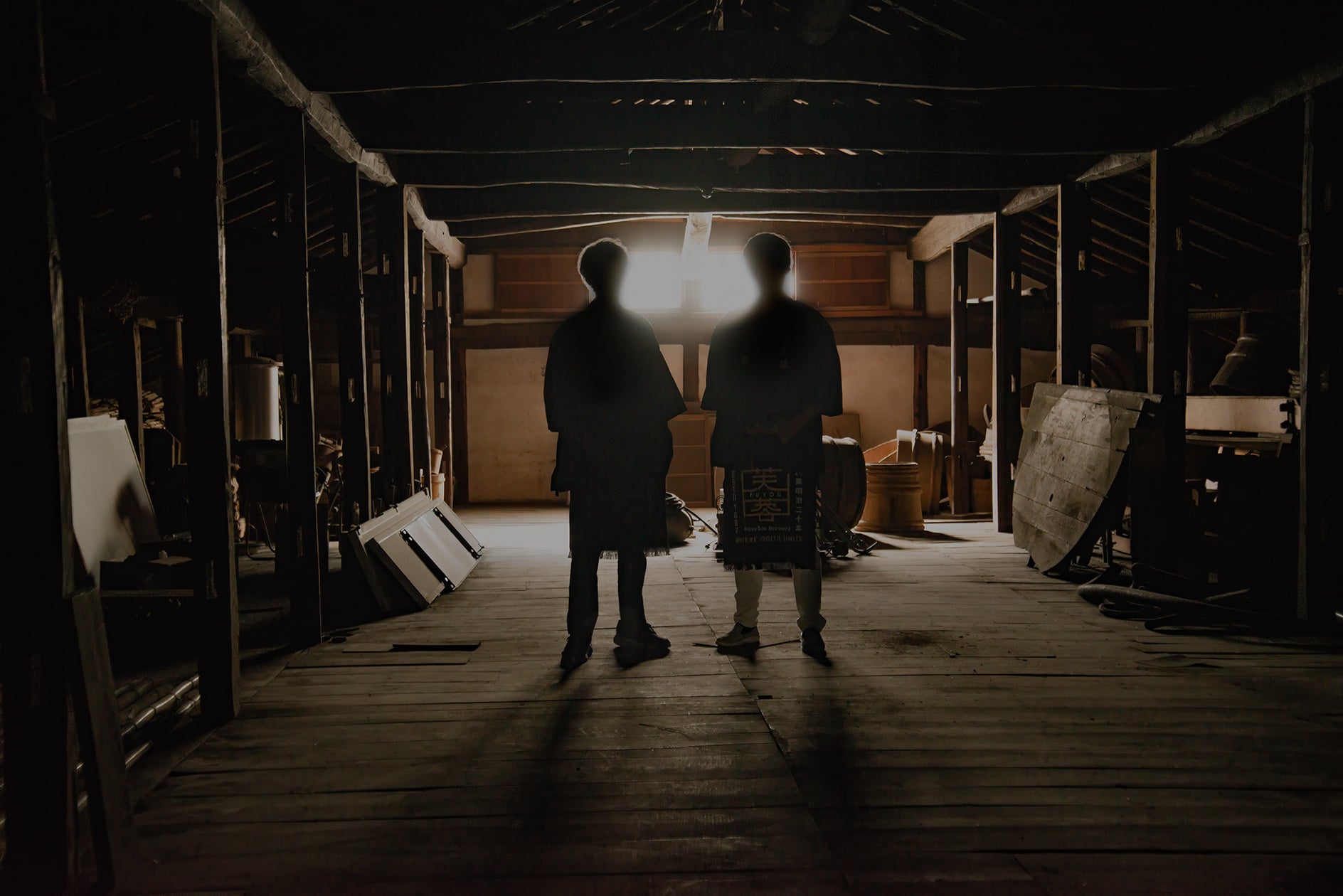
The “kuramoto” who inherits the brewing and the “kuranushi” who runs the business
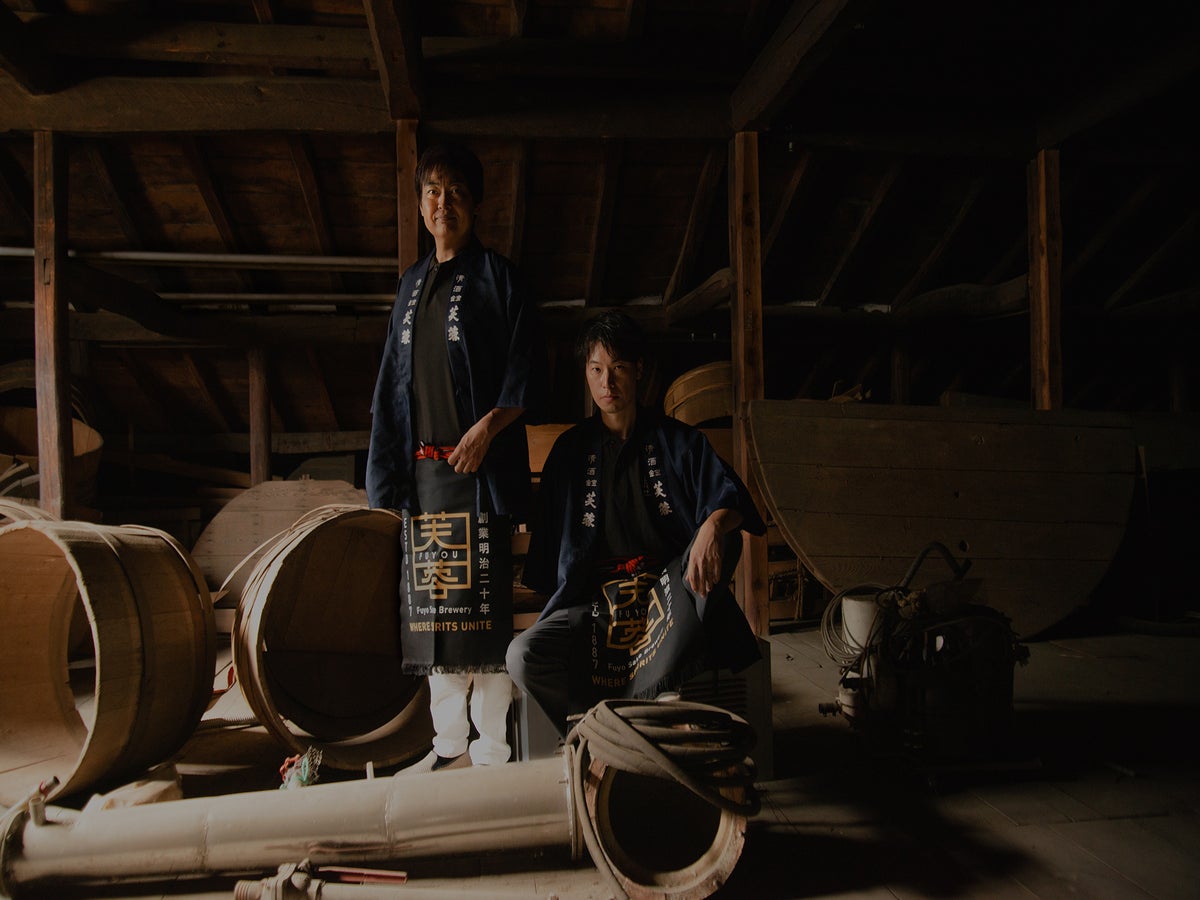
Fuyo Shuzo has been brewing in Saku, in the east of Nagano Prefecture, since 1887. The brewery sits in a landscape ringed by mountains such as Mount Asama. Under the new structure, Takanori Yoda, the sixth-generation kuramoto (brewery owner), born in 1981, becomes president and takes full responsibility for the brewing. The investor Kotaro Chiba becomes chairman and is in charge of capital and management. Chiba was a founding member of the Japanese games company Colopl, served as its vice president, and has since led a venture investment fund. He runs a farm in Kamakura and owns a sushi restaurant of his own in Tokyo.
What stands out is that the two both call themselves “sixth generation”. The title was Yoda’s own idea. The thinking is that the kuramoto, who inherits the family business, and the “kuranushi” (brewery proprietor), who takes on the brewery itself, share the same generation, with neither cast as the main family and the other as an outsider. Chiba has stated plainly that he will not interfere in the brewing. He says there is no “exit”, the sale of shares after a few years, at this brewery, and that he is thinking in terms of 50 or 100 years. Successors, capital and sales channels are worries common to sake breweries across Japan. The company hopes this arrangement can serve as a reference for other breweries as a “third way” that relies on neither blood ties nor a sale.
Three companies merged, with more than 100 tanks now shared
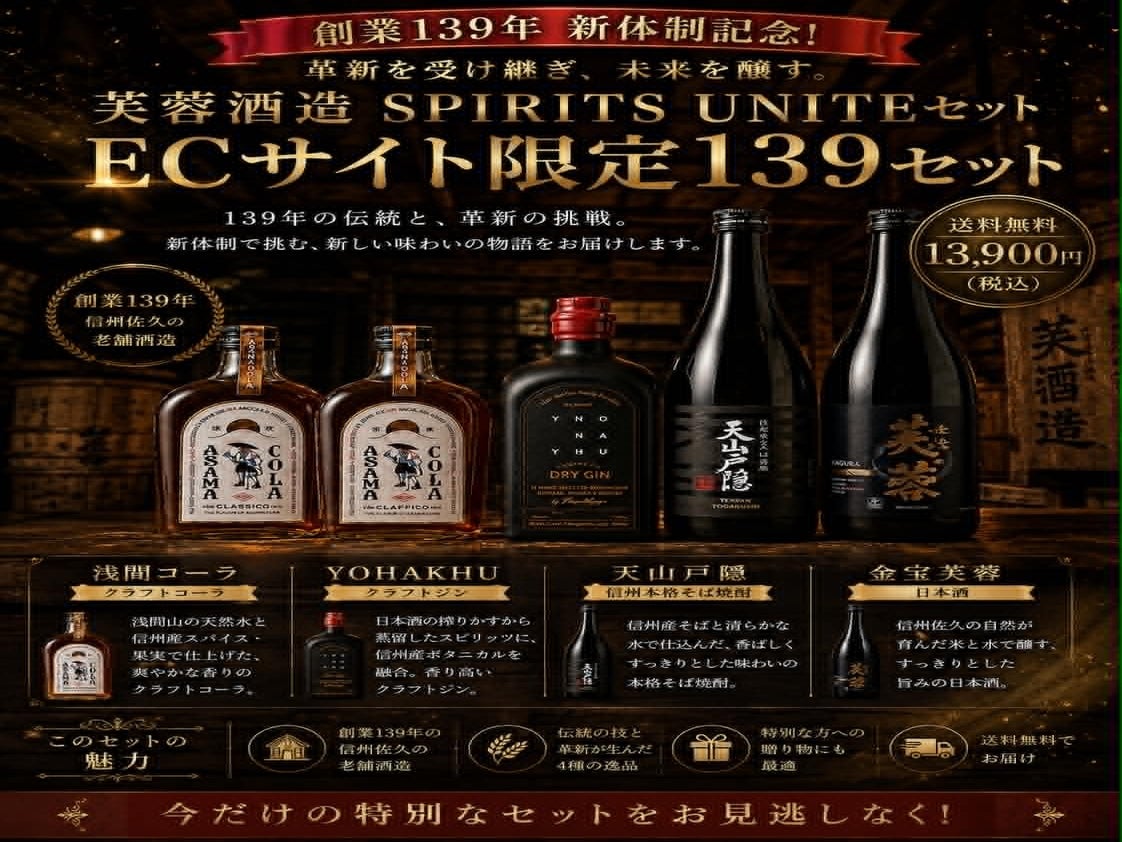
Until now, production and sales were split across three legal entities, so tanks could not be used across companies. Chiba acquired all the shares and consolidated them into one company, so more than 100 tanks and every section of the brewery can now be shared, and the range and volume of what can be made is expected to grow. Besides its sake, Kinpo Fuyo, Fuyo Shuzo has contract-production expertise in turning more than 40 kinds of agricultural products into shochu. Shochu is a Japanese distilled spirit. The company’s buckwheat shochu Tenzan Togakushi has taken first place in the buckwheat shochu category of a domestic competition for seven editions in a row.
Gin born from sake lees: YOHAKHU
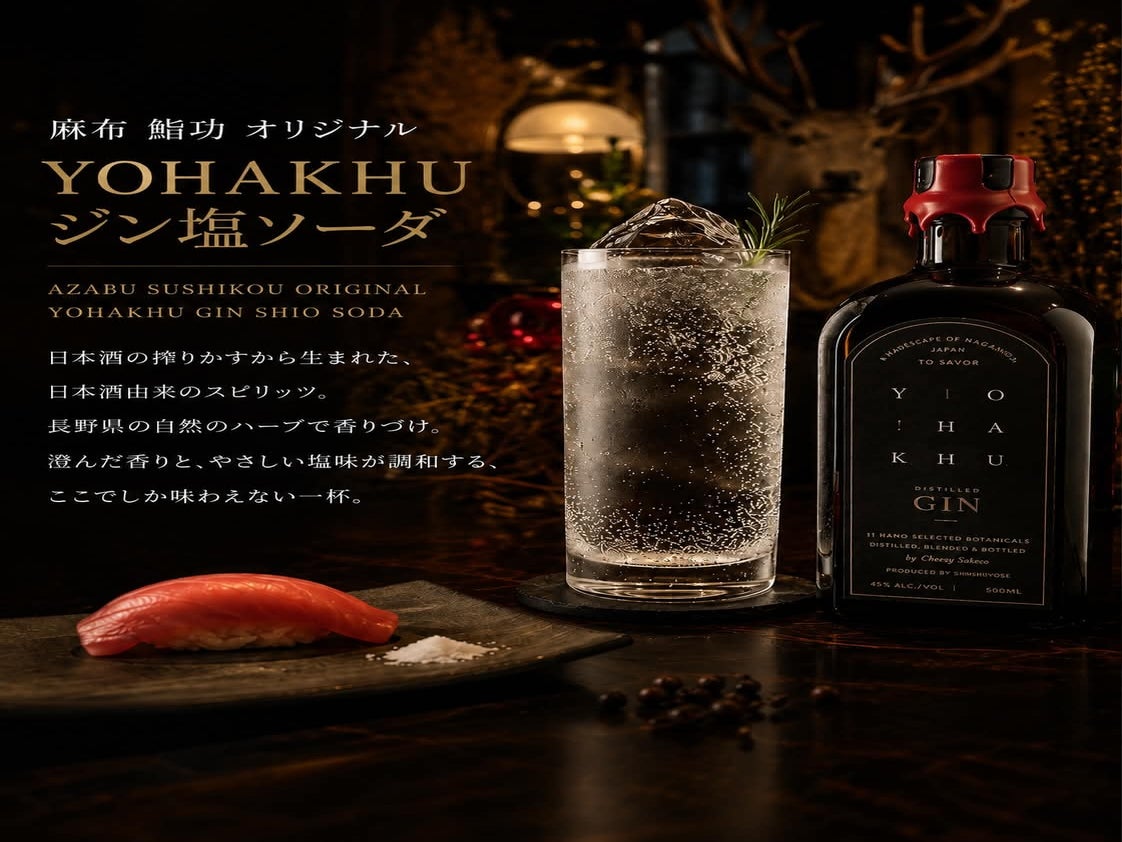
The easiest way in for European readers is probably the craft gin YOHAKHU. It is made by distilling the sake lees left over after pressing sake and adding 11 botanicals gathered in the mountains of Nagano. It won a gold medal in the Japanese gin category at the Tokyo Whisky & Spirits Competition (TWSC) 2026. A version aged for 489 days in oak casks previously used to store whisky also won a silver medal at the same TWSC. The brewery has also set a goal of making non-alcoholic drinks half of its sales in ten years.
When choosing a Japanese gin in Europe, look at whether the base is sake lees (sake kasu) or kasutori shochu. Comparing its aroma with that of grain-based gins is part of the fun. At Chiba’s sushi restaurant, YOHAKHU is served mixed with soda and a pinch of salt. And for European readers, for whom the succession of family-run wineries and breweries is a pressing issue, how these “two sixth generations” fare from here is worth watching.
Sources
This article was written by The Sake Wire editorial team, summarising the public sources listed above. Images are our own.
Try Akita sake in the EU — from €6
180 ml tasting bottles and full-size sake, wine, beer and gin, shipped from Amsterdam within the EU.


