Awamori "Tsuki no Jouryusho" wins ISC Double Gold for a second year running
Chuko Distillery's Okinawan awamori Tsuki no Jouryusho won the top rating in the shochu category at the UK's ISC 2026, a second consecutive triumph.

Awamori “Tsuki no Jouryusho”, made by Chuko Distillery in Tomigusuku, Okinawa Prefecture, has won Double Gold, the highest award, in the shochu category of the International Spirits Challenge 2026 (ISC 2026). It follows a win in 2025, making this a second consecutive year. Awamori is a rice spirit made in Okinawa, Japan’s southernmost prefecture, and at the ISC it is judged in the category for the Japanese spirit shochu. ISC judging is done by blind tasting. Industry experts assess aroma, taste, balance, finish and overall quality without knowing the brand or the producer.
Direct-fired stills and clay pots create “terroir awamori”
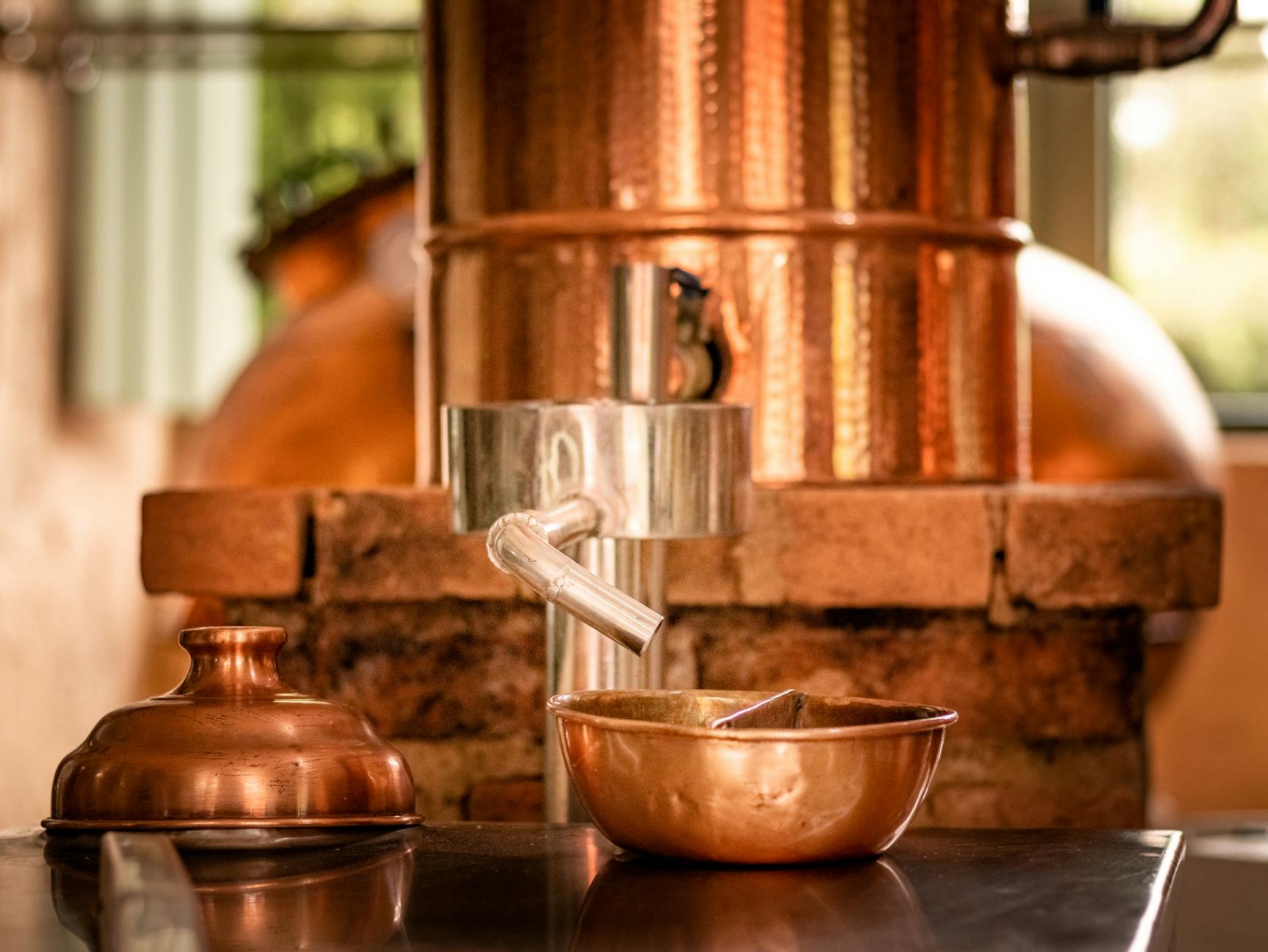
Chuko Distillery positions this spirit as “terroir awamori”, expressing the natural environment of Okinawa through its ingredients, its land and its methods. The rice used is 100% grown on Iheya Island, one of Okinawa’s remote islands. For distillation it uses “jigama distillation”, a traditional method in which the still is heated over a direct flame, and this is the only distillery on the main island of Okinawa that has kept it going. Direct-fire distillation is said to draw out the flavour and aroma of the rice and the fermenting mash with great intensity, producing a toasty note reminiscent of scorched rice. The mash is fermented in earthenware pots. Chuko Distillery is an unusual one: besides being a distillery, it is also a kiln that fires its own pots. In 1989 it became the first in the industry to begin researching pots for maturation. Neither method suits mass production, so output is limited to around 1,000 bottles a year.
Recognition that is no one-off
The ISC is not the only award. In 2025 the spirit won the shochu category trophy in addition to Double Gold at the ISC. At the International Wine & Spirit Competition (IWSC) the same year, it also took a trophy with a score of 99 points. In 2026 it won Double Gold at the San Francisco World Spirits Competition as well as at the ISC. Representative Director Tsutomu Oshiro said the latest award was thanks to the rice growers of Iheya Island and the distillery’s craftspeople. He added that the distillery will continue to make spirits that express Okinawa’s natural environment and culture, and to share the appeal of awamori in Japan and abroad.
How to enjoy it in Europe

“Tsuki no Jouryusho” is 43% ABV, comes in a 500 ml bottle and sells in Japan for 5,500 yen. Production is so small that opportunities to buy it in Europe are limited. If you are interested, the quickest route is to ask a specialist shop that stocks Japanese spirits. As for how to drink it, the distillery recommends first trying it neat to appreciate its true aroma, then adding a little water or serving it on the rocks to enjoy how the aroma changes. Pay attention to how the toasty, scorched-rice notes combine with the aroma of ripe fruit, and you will taste the character unique to a rice spirit.
Sources
This article was written by The Sake Wire editorial team, summarising the public sources listed above. Images are our own.
Try Akita sake in the EU — from €6
180 ml tasting bottles and full-size sake, wine, beer and gin, shipped from Amsterdam within the EU.


