Long-aged awamori wins two 98-point scores at IWSC 2026
Chuko Distillery in Okinawa has won top Gold Outstanding awards at London-born IWSC 2026, with two long-aged awamori both scoring 98 points.
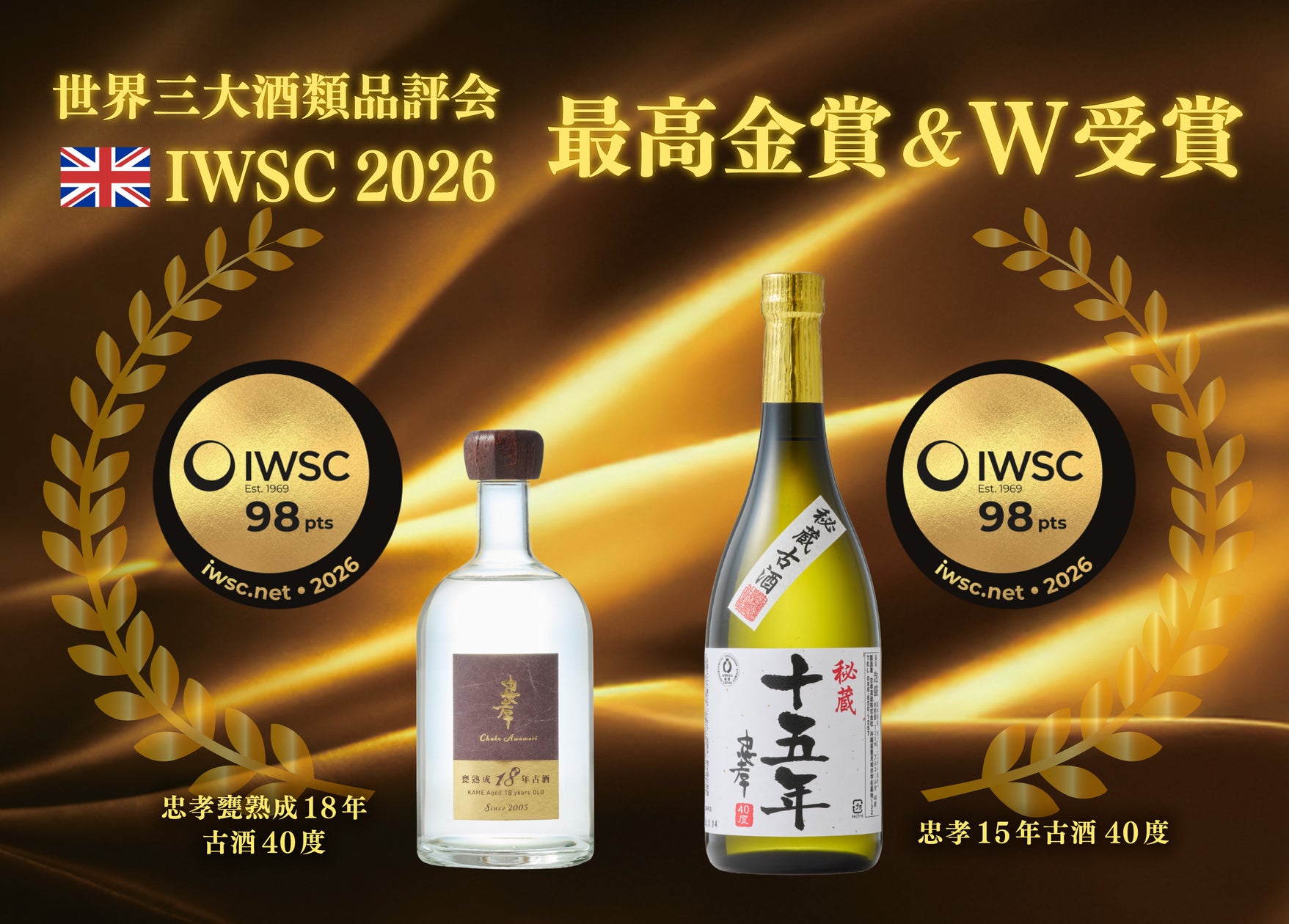
Awamori, the distilled spirit made in Okinawa, Japan’s southernmost prefecture, has once again earned high praise on the international stage. Chuko Distillery in Tomigusuku, Okinawa Prefecture, has announced that two of its products, “Chuko 15-Year Koshu 43%” and “Kame-Jukusei 18-Year Koshu 40%”, each scored 98 points in the shochu category of the 2026 International Wine & Spirit Competition (IWSC) in the UK, winning the top “Gold Outstanding” award. “Koshu” (also read “kusu”) refers to awamori that has been aged for a long time.
Two 98-point scores at a competition born in London

The IWSC began in the UK in 1969 and is one of the oldest spirits competitions in the world. International experts judge entries in blind tastings, with the brands concealed. “Chuko 15-Year Koshu 43%” won its first Gold Outstanding this time. “Kame-Jukusei 18-Year Koshu 40%” won the same award with 99 points in 2024, so this is its second. In the same category, “The Vanilla 14-Year Koshu 43%” also won a Gold medal with 95 points. The distillery also won the “Shochu Producer Trophy”, awarded to a producer in the shochu category, at IWSC 2025 the previous year.
Aromas and flavours noted by the judges
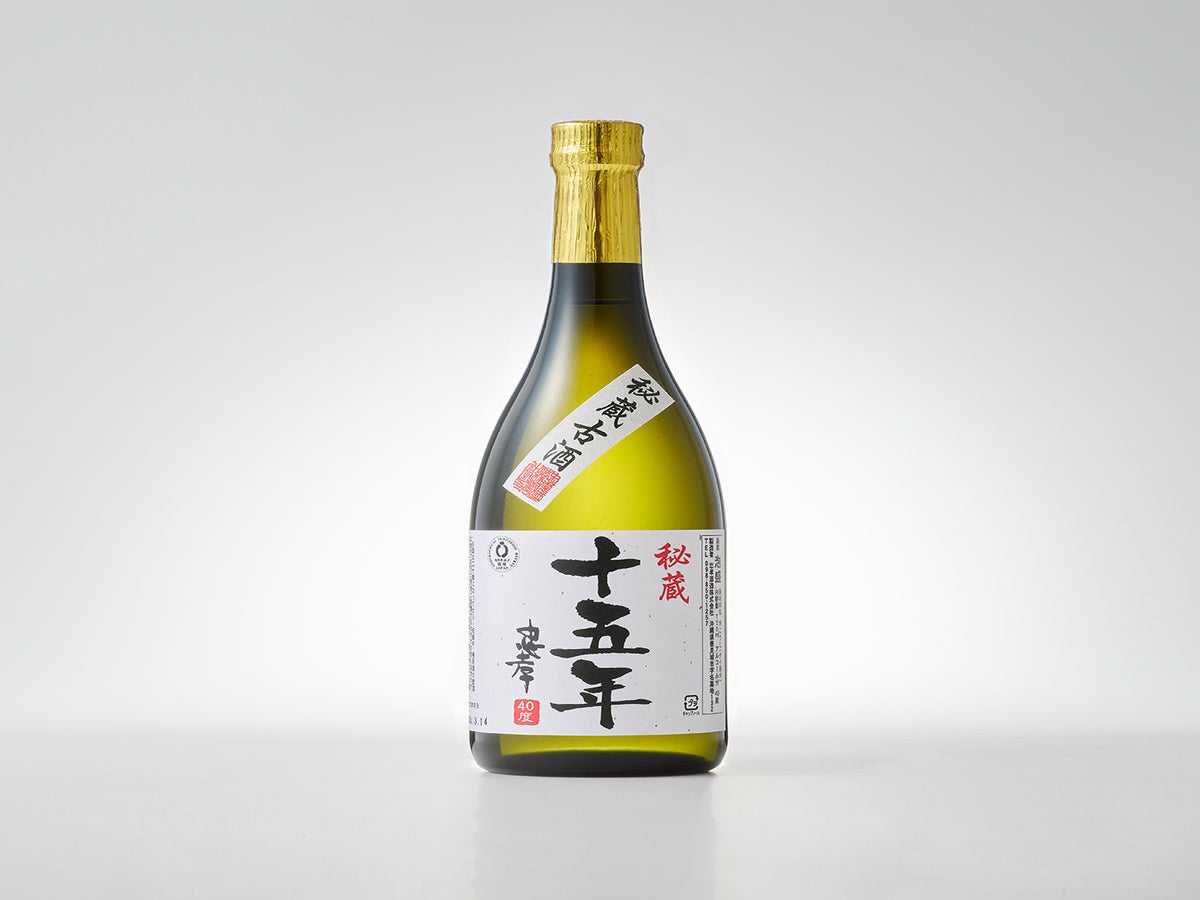
Of “Chuko 15-Year Koshu”, the judges noted aromas of black koji, roasted sesame and soft vanilla. On the palate, they found a rich, full-bodied taste reminiscent of caramel, soy sauce and portobello mushrooms, followed by a very long, nutty finish. Of “Kame-Jukusei 18-Year Koshu”, they described spice and earthy aromas layered with flavours of grain, mushroom, roasted coffee and dried fruit, with vanilla lingering gently at the end.
A distillery that is also a kiln
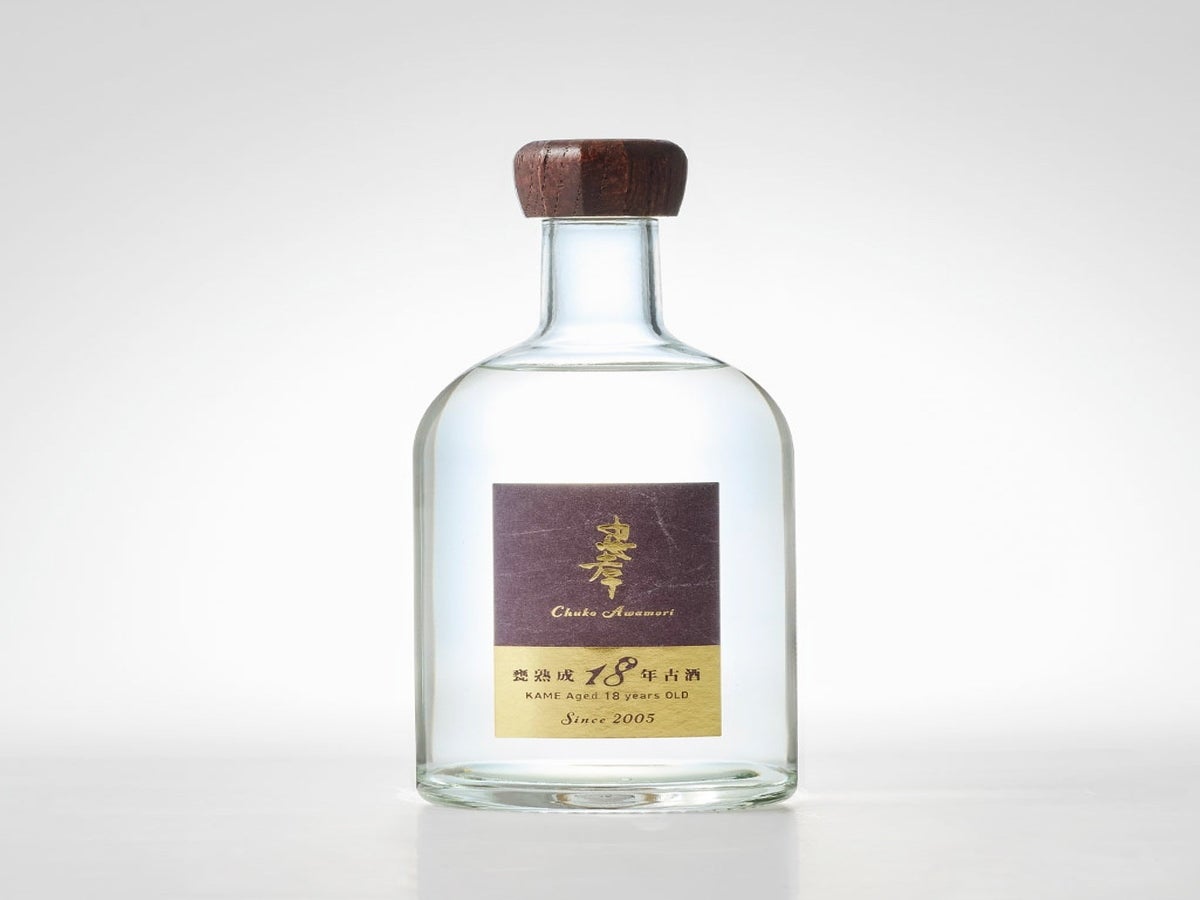
Chuko Distillery was founded in 1949. A major distinguishing feature is that it is also a kiln, firing its own kame (unglazed earthenware jars) for maturation. In 1989, the first year of the Heisei era, it became the first in the industry to begin researching maturation jars. Awamori is made from Thai rice, and both of the award-winning products use Thai rice too. What clearly sets it apart from spirits such as whisky, which are matured in wooden casks, is that it is aged for many years in earthenware jars rather than wooden barrels.
In Europe, awamori is still a rarity, usually found only in specialist shops. If you enjoy aged whisky or rum, you may find the vanilla, caramel and nutty flavours the judges described familiar. To start, try it at room temperature or with a single ice cube, taking small sips and noting how the aroma changes. When choosing a bottle, look at the age statement on the label and whether it is “kame-jukusei” (jar-aged), which makes it easier to grasp the character of the distillery.
Sources
This article was written by The Sake Wire editorial team, summarising the public sources listed above. Images are our own.
Try Akita sake in the EU — from €6
180 ml tasting bottles and full-size sake, wine, beer and gin, shipped from Amsterdam within the EU.


