Craft gin from Atami wins Double Gold at a global competition
A distillery in Atami, Shizuoka Prefecture, has won Double Gold at an international competition in San Francisco for a gin flavoured with 21 botanicals, including bitter orange and seaweed.

About 100 kilometres south-west of Tokyo lies Atami, a hot-spring town in Shizuoka Prefecture on the Pacific coast. The town’s only distillery, Seacliff Atami Distillery, saw its Standard Craft Gin awarded Double Gold at the San Francisco World Spirits Competition (SFWSC) 2026, held in May 2026. The SFWSC is one of the world’s leading spirits competitions. Double Gold is awarded only when every judge gives a gold medal. Craft gin made with local ingredients is spreading across Japan, and within that trend, the gin from Atami has gained international recognition.
21 botanicals that reflect the sea and citrus

Gin is a distilled spirit flavoured with plants, and the plants used for flavouring are called botanicals. The award-winning gin is based on a traditional dry gin and uses 21 botanicals. The main ones are daidai (Japanese bitter orange) grown in Atami, habanori seaweed, and byakushin (a Chinese juniper) harvested at Shirahama Shrine in Shimoda, on the Izu Peninsula. Byakushin is a tree in the same family as juniper, which is essential to gin. According to the distillery, the result is a fresh citrus aroma with a subtle umami note from the seaweed layered over it. The company president says it is a gin that lets you feel the nature of Atami and Izu.
From bartender to distiller
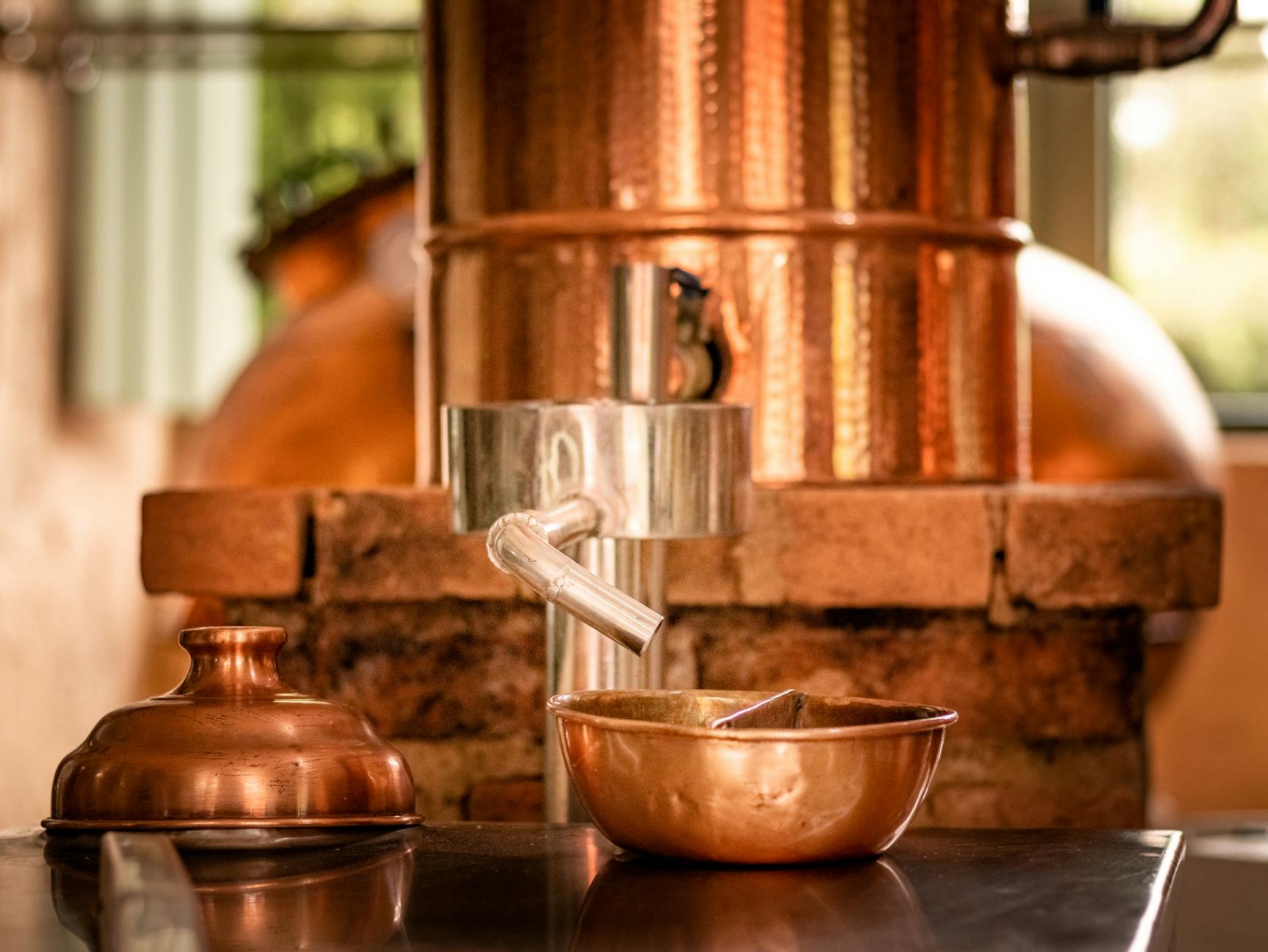
The distillery is run by Seacliff Spirits. President Michio Kamaya gained experience as a bartender in Tokyo bars from his twenties and opened his own bar at 32. Through his contact with brewers and winemakers, he came to want to make drinks himself. During the Covid pandemic he was drawn to Atami, which he visited for work, and decided to move there. He learned the craft of distilling from scratch and, after three and a half years of preparation, opened the distillery two years ago. Its concept is “nurtured by the sea, returning to the sea”. The distillery’s name comes from the view of the sea and cliffs seen from the Atami coast. It uses a German-made still. It also makes a gin that draws out the aromas of trees, mainly pine. In spring 2026 it also released a new gin made with New Summer orange, a citrus fruit grown in Atami.
How to enjoy it in Europe

When choosing a Japanese craft gin, look at which botanicals are used. Ingredients distinctive to the region, such as Japanese citrus like yuzu and daidai, seaweed and Japanese trees, define a gin’s character. When you drink it, first try a small amount neat to appreciate the aroma. Then mix it with tonic water and compare the citrus aroma with the umami that comes through afterwards, which can be fun. To bring out the umami of the seaweed, pairing it with seafood or sushi is also recommended. When looking for Japanese gin in Europe, a record of awards at international competitions such as the SFWSC can also serve as a guide.
Sources
This article was written by The Sake Wire editorial team, summarising the public sources listed above. Images are our own.
Try Akita sake in the EU — from €6
180 ml tasting bottles and full-size sake, wine, beer and gin, shipped from Amsterdam within the EU.


