Aramasa's Yusuke Sato and His Vision of Sake Terroir
Reviving lost sake rice and farming without pesticides: Yusuke Sato of Akita's Aramasa Shuzo aims to make sake the finest brewed drink in the world.

Aramasa Shuzo, in Akita Prefecture in northern Japan, is one of the sake breweries that has drawn the most attention over the past decade or so. Yusuke Sato, the eighth-generation head, was born in 1974. He graduated from the University of Tokyo, joined the family business and became president in 2012. The second part of an interview published in Asahi Shimbun’s AERA Style Magazine covers his commitment to sake rice and paddy fields, and the goal that lies beyond them.
The Foundation: Kimoto, Wooden Vats and Kyokai No. 6 Yeast
Mr Sato’s brewing rests on a few firm rules. The only yeast he uses is Kyokai No. 6. The first stage of fermentation (the starter, or shubo) is made by the traditional kimoto method, which relies on naturally occurring lactic acid bacteria. The brewing is done in wooden vats, and no additives are used. The rice is limited to that grown in Akita Prefecture. By rebuilding age-old techniques with a modern sensibility so that the character of the land is reflected in the sake, his approach comes close to the idea of terroir in wine.
Bringing a Lost Sake Rice Back
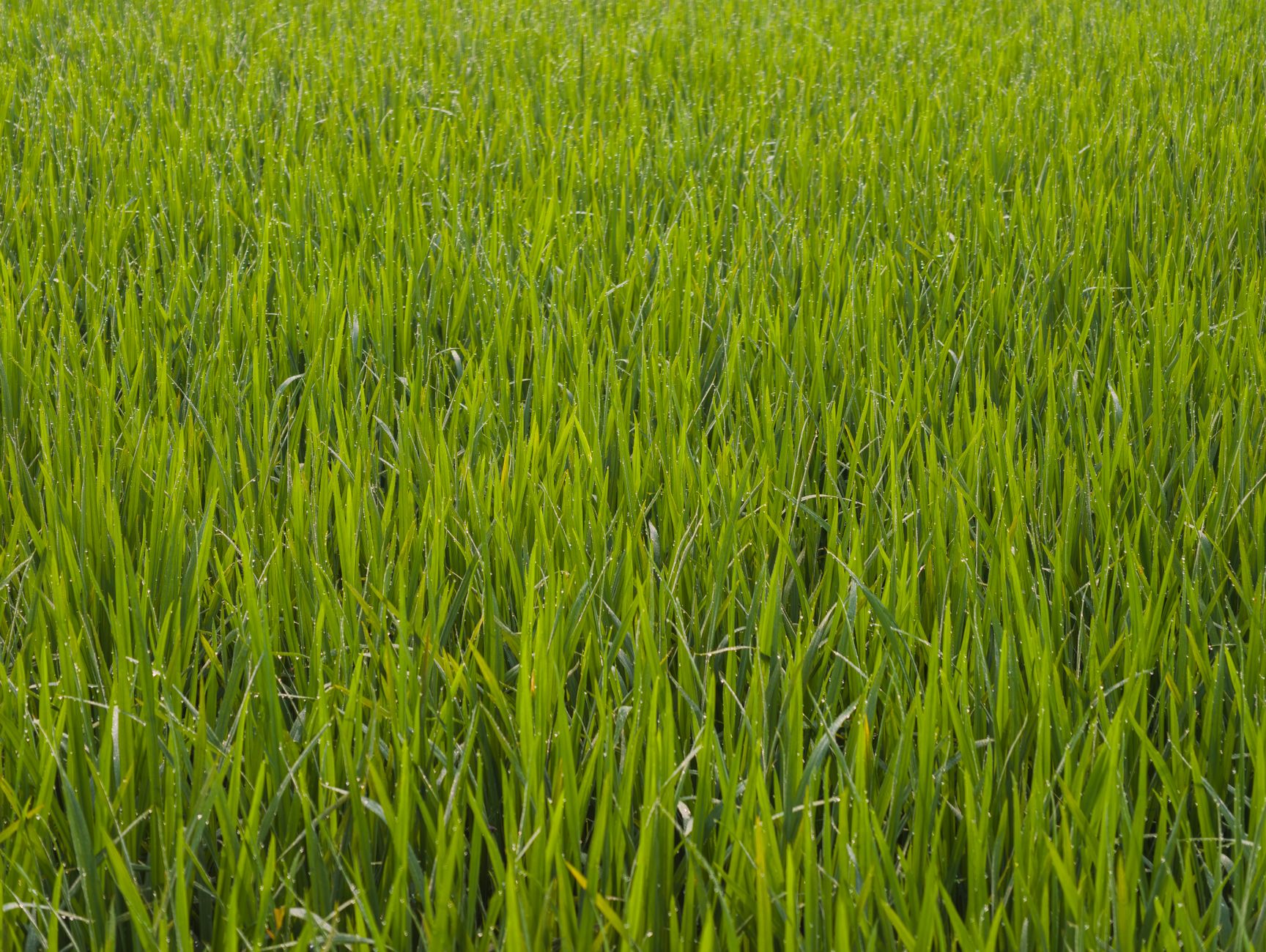
Mr Sato does not let assumptions limit him when it comes to rice, either. Fukunohana is a sake rice developed in 1966, but because it is hard to grow, it had gradually fallen out of cultivation. Mr Sato obtained seed from the Tohoku Agricultural Research Center of NARO, a national research institute, and began growing it. The sake brewed from this rice has a flavour reminiscent of mandarin oranges and was named Tangerine. Kairyo Shinko, another variety that had been abandoned because its plants grew too tall, was found to suit kijoshu (a sweet style of sake brewed by replacing part of the brewing water with sake), and was reborn as a sake called Invisible Pink Unicorn.
Naturally Farmed Paddies in Uyashinai

Most of the sake rice Aramasa uses is grown in the Uyashinai district of Akita Prefecture by contract farmers and brewery employees. Rice growing began in 2016 and has now expanded to about 30 cho (roughly 30 hectares). All of the paddies are farmed naturally, with neither fertiliser nor pesticide. Being off by just a few centimetres in water depth can cause weeds to multiply at once, so the water level is raised and lowered according to the types of weeds present in order to keep them down. Even so, the fields still have to be weeded by hand at least five or six times in a single season. The paddies are divided by variety to suit airflow and sunlight, and are known by names such as Viridian and No. 6. The resulting map calls to mind the vineyards of Burgundy.
Mr Sato’s goal is clear: to make sake that can stand alongside the world’s finest brewed drinks, and to express it not only through flavour but as a culture. Next summer he also plans to hold an Aramasa exhibition, gathering the brewery’s collaborative works to date, in Japan and abroad.
If you come across Aramasa sake in Europe, look at the rice variety named on the label. A sake that puts the variety front and centre, such as Fukunohana, can be enjoyed in much the same way as comparing grape varieties in wine. Kimoto sakes often have a lively acidity, and served slightly chilled in a wine glass, the differences in aroma may become easier to notice. It may also be worth following news of the Aramasa exhibition, which is due to be held abroad as well.
Sources
This article was written by The Sake Wire editorial team, summarising the public sources listed above. Images are our own.
Try Akita sake in the EU — from €6
180 ml tasting bottles and full-size sake, wine, beer and gin, shipped from Amsterdam within the EU.


