Akita's new sake: 111 entries judged as the prefectural sake competition opens
The Akita Prefecture Sake Brewers Association began its prefectural sake competition on 2 September, judging 111 sakes brewed in the prefecture in the 2025 brewing year.
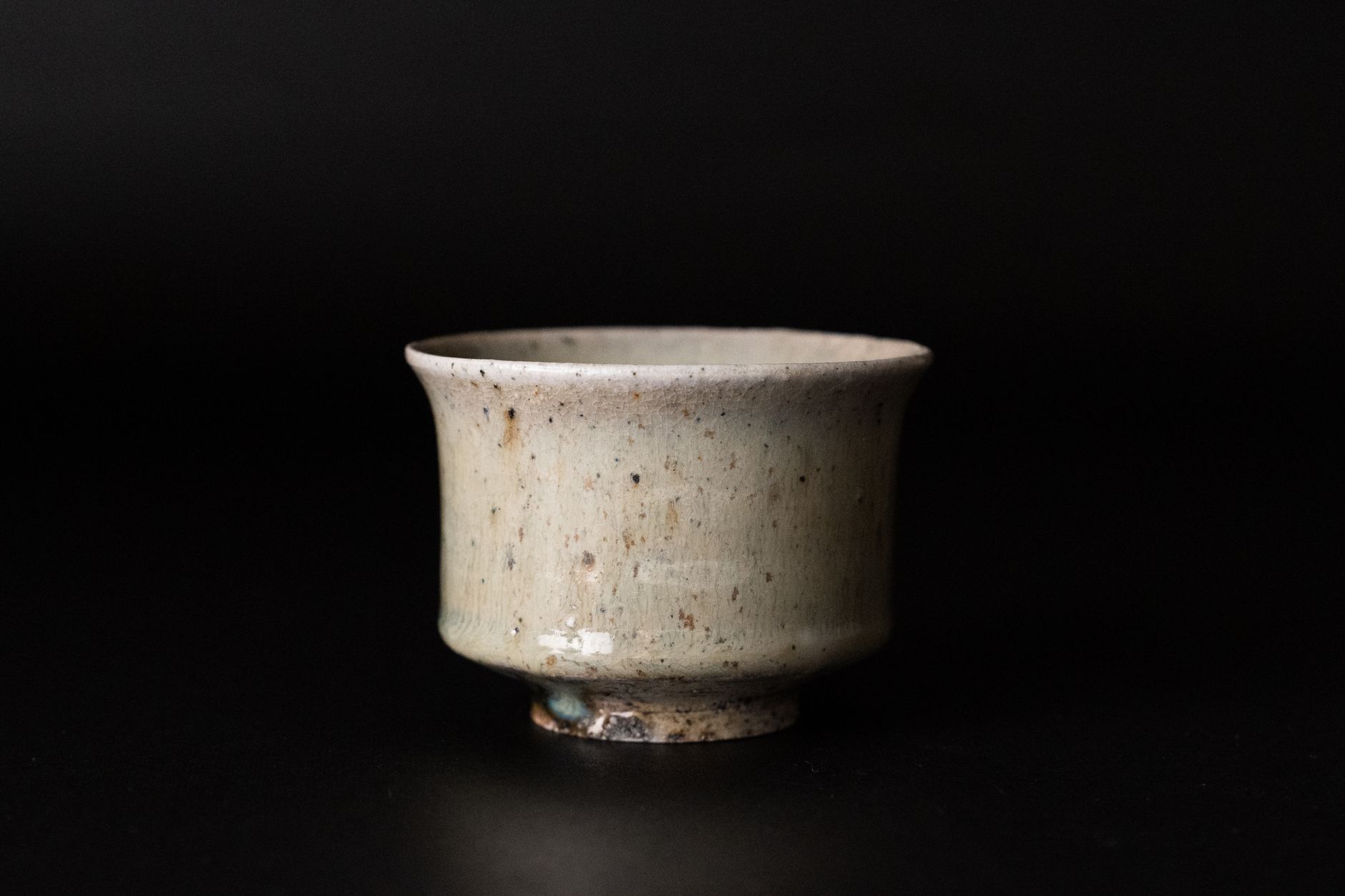
Testing a year’s sake through outside eyes
Akita is a prefecture on the Sea of Japan coast in the north of Japan’s main island, Honshu. On 2 September, the Akita Prefecture Sake Competition (Akita-ken Seishu Hinpyokai) opened there, comparing how well the sake made by the prefecture’s breweries had turned out. It is organised by the Akita Prefecture Sake Brewers Association (a body made up of the prefecture’s sake breweries), and the venue is in Akita city. The sake being judged comes from the “2025 brewing year”. In Japan’s sake industry, the year is counted not by the calendar but from July to the following June, so this year covers sake brewed between July 2025 and June 2026. There are 111 entries in total. The judges check the aroma and flavour of each one in turn, and the schedule was to select the top prize, the Governor’s Prize, and other awards by 3 September. The awards ceremony was scheduled for 20 October.
What the three categories show
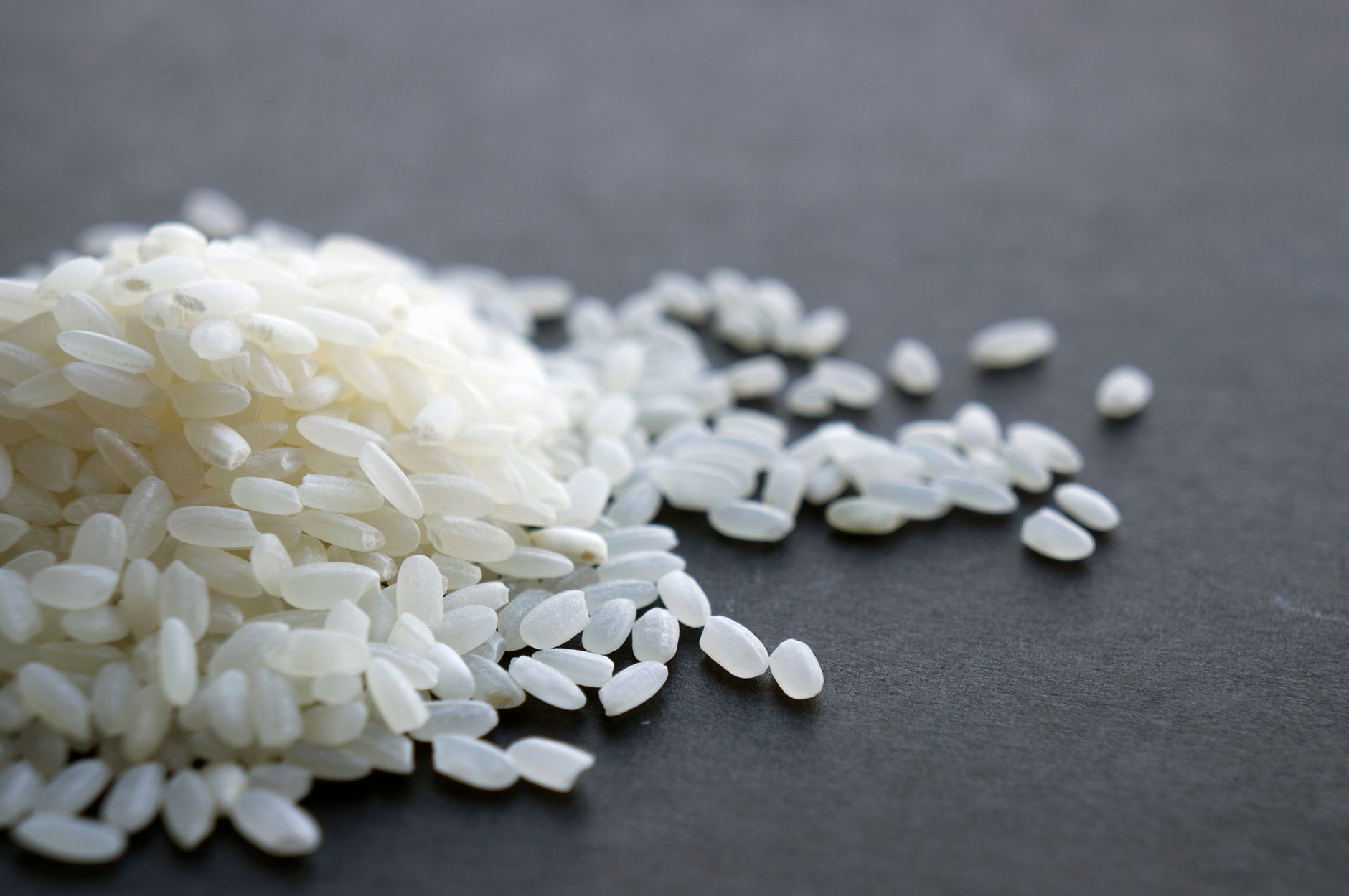
Judging is divided into three categories: “prefectural rice”, “ginjo” and “junmai”. Ginjo is sake made with rice milled to remove at least 40% of the outer layer (a seimaibuai, or rice polishing ratio, of 60% or less) and fermented slowly at low temperatures to bring out a fragrant aroma. Junmai refers to sake made only from rice, rice koji and water, with no added brewer’s alcohol.
The separate category for prefectural rice reflects the idea that where the rice was grown is also part of the assessment. According to the sake media outlet SAKE Street, using local ingredients such as prefectural rice and yeast is attracting attention as a way for each brewery to express its own character. It is an approach close to the idea of terroir in wine.
How competitions raise quality

The Akita Sakigake Shimpo newspaper gave its article on the judging the headline “Towards clean, smooth sake”. Sake with little off-flavour and a smooth mouthfeel is presented as the goal. When breweries across the prefecture submit their sake to the same judging, each one can see how its own sake is rated in comparison with the others. This system, in which sake that has settled over the summer is judged in autumn, helps to raise quality across the whole region bit by bit.
When choosing Akita sake in Europe, you can check the “junmai” and “ginjo” wording on the label, and whether Akita-grown rice has been used, and read them against this competition’s three categories. As the award-winning sakes, including the Governor’s Prize, were due to be announced at the 20 October ceremony, it is also worth checking the guidance from importers and specialist shops. When tasting, we recommend enjoying the aroma of ginjo lightly chilled in a wine glass, and trying junmai from room temperature to slightly warmed to appreciate the umami of the rice. With both, paying attention to whether any off-flavour lingers after swallowing and whether the texture is smooth will give you a feel for the points the judges look at.
Sources
This article was written by The Sake Wire editorial team, summarising the public sources listed above. Images are our own.
Try Akita sake in the EU — from €6
180 ml tasting bottles and full-size sake, wine, beer and gin, shipped from Amsterdam within the EU.


