Kikusui Shuzo, a 150-year-old brewery, returns from suspended operations
Kikusui Shuzo, a long-established brewery in Noshiro, Akita, halted business in 2024. With help from a local construction firm, it has resumed brewing and released new sake.

Akita Prefecture is a rice-growing region on the Sea of Japan coast in the north of Honshu. In the north-western port town of Noshiro, Kikusui Shuzo (Kikusui Shuzo) had been brewing sake since 1875, but at the end of October 2024 financial difficulties forced it to suspend business. The brewery, which had lasted around 150 years, was saved by a construction company that was also founded in Noshiro. Having resumed brewing with that support, Kikusui has launched new products and, as the only sake brewery now left in the city, is trying to protect the flavours it has inherited.
Falling sales, then dismissal of all staff
What cornered Kikusui was the move of Japanese consumers away from sake. The spread of the COVID-19 pandemic was added to this, and sales fell sharply. Even after doing everything it could, the brewery could not turn things around, and it had no choice but to dismiss all eight of its employees and halt operations.
Kikusui’s flagship products have been “Jomon Noshiro” and “Kisaburo no Sake”, brewed with subterranean water from the Shirakami Mountains (a mountain range straddling Akita and Aomori prefectures, known for its primeval beech forests). It was also known as a brewery that matured its sake in an underground storehouse made from a tunnel.
Seven sakes from the revived brewery
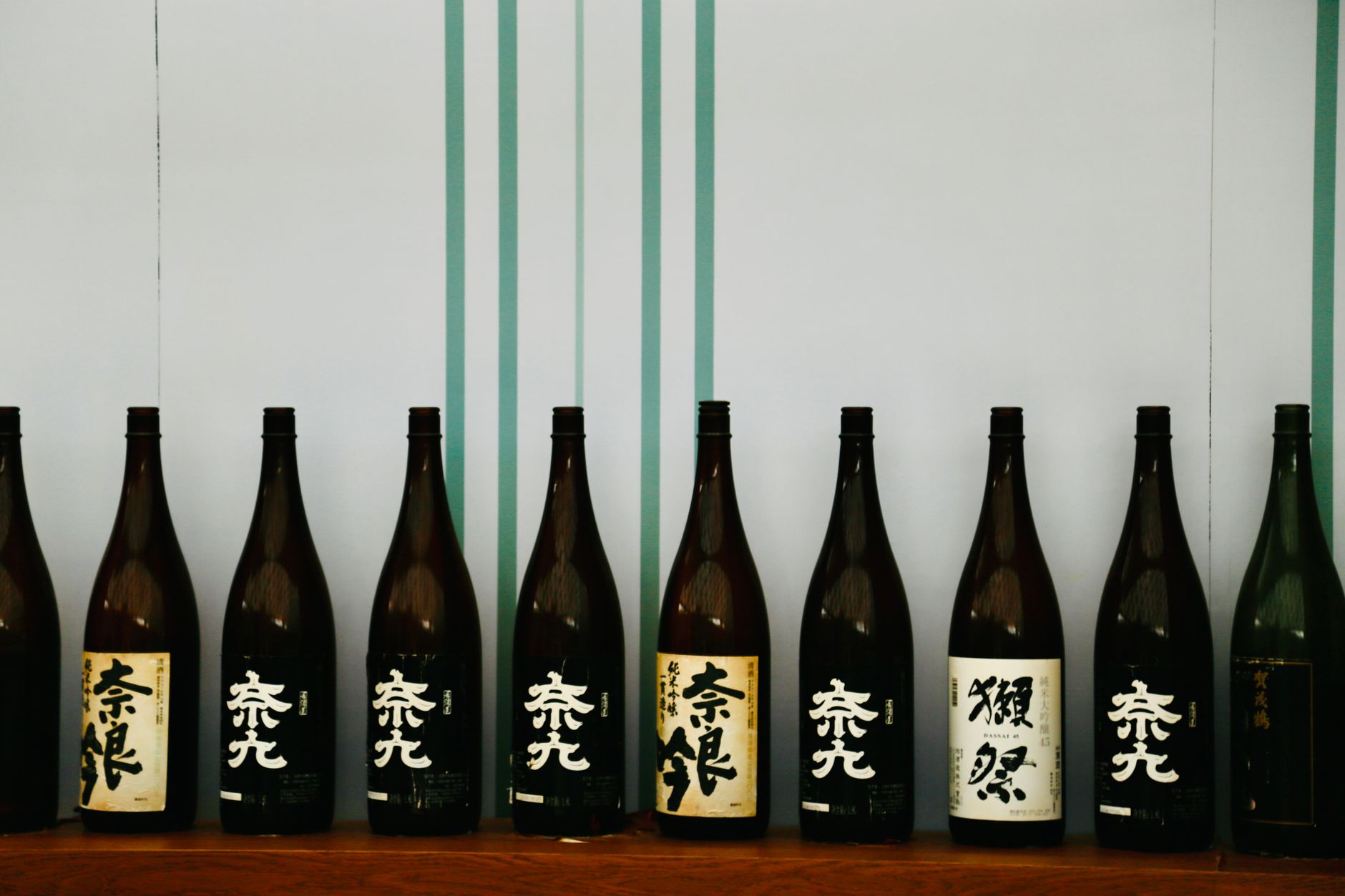
At the brewery, which has made a fresh start with the construction company’s support, seven new sakes now stand with labels reading “Kikusui” in ink calligraphy. The junmai (sake made only from rice, rice koji and water) is characterised by a mellow aroma reminiscent of banana. The junmai ginjo (a junmai in which at least 40% of the outer rice has been polished away, fermented slowly at a low temperature) has been finished with a light, apple-like taste.
Hirasawa Kiichiro (51), the toji (master brewer) in charge of production, says they have made sakes unlike anything Kikusui had made before, ones in which drinkers can enjoy the differences from bottle to bottle.
Enjoying it in Europe

Because the brewery has only just reopened, the surest way to find out whether it is available in Europe is to ask specialist sake shops or importers. When looking, make sure it is the brewery in Noshiro, Akita Prefecture, so as not to confuse it with “Kikusui” of Niigata Prefecture (a different brewery written with different kanji). If you do get hold of a bottle, one idea is to compare the junmai and the junmai ginjo side by side. Pour them into white-wine glasses and compare the aromas without over-chilling; you may notice the difference between the banana and apple styles. Behind every bottle of sake lies the story of a small brewery that survived thanks to the support of its community.
Sources
This article was written by The Sake Wire editorial team, summarising the public sources listed above. Images are our own.
Try Akita sake in the EU — from €6
180 ml tasting bottles and full-size sake, wine, beer and gin, shipped from Amsterdam within the EU.


