A gin made from ibugakko pickling brine and sake lees
Pickling brine from Akita's smoked daikon pickle, ibugakko, and sake lees from a craft sake brewery: two by-products that often go to waste have become a craft gin, Akita Prefecture Gin.
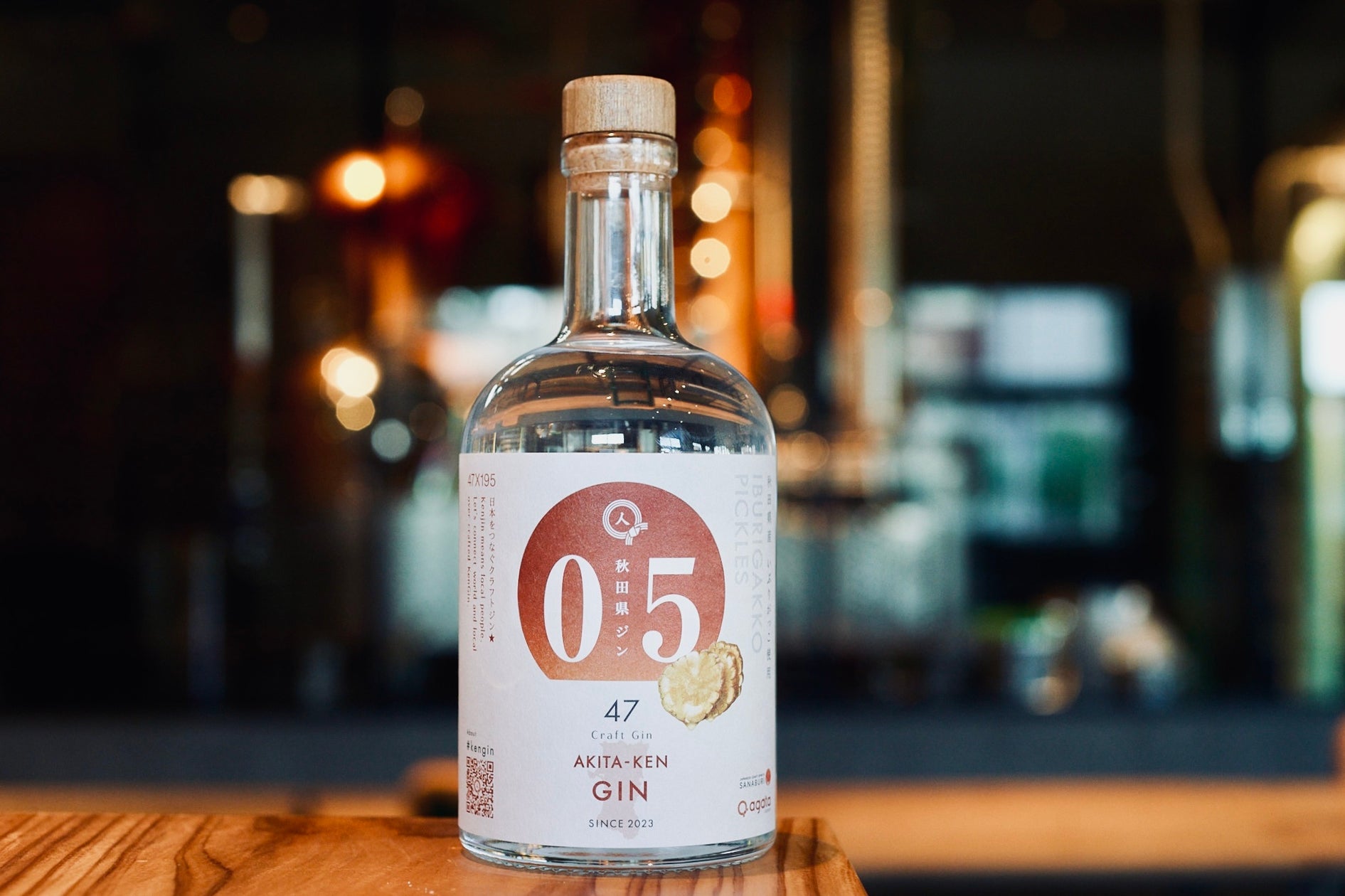
“Akita Prefecture Gin by agataJapan” has been announced as the 22nd release in the Ken Gin Project, which turns regional specialities from across Japan into craft gin. It was made by Sanabури Distillery in Oga, Akita Prefecture, in northern Japan. The ingredients are the pickling brine left over from making ibugakko, the smoked daikon pickle, and sake lees from a craft sake brewery. Both have had few uses until now. Early sales have started on the crowdfunding site CAMPFIRE, and at the time of the announcement the gin was due to go on sale overseas afterwards, including in Vietnam.
Brine left unused
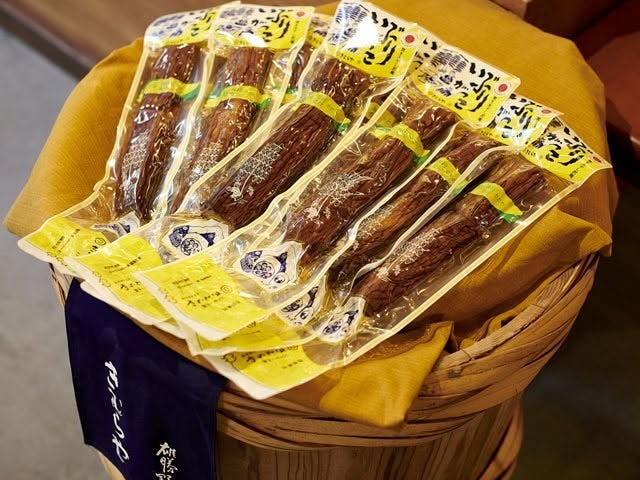
Ibugakko is a traditional Akita pickle in which daikon radish is smoked over wood fires and then pickled in rice bran, salt and sugar. Its popularity is growing across Japan, but the liquid used for pickling, although rich in sugar, salt and rice bran, has had almost no use once the pickling is finished. This gin makes that brine its main botanical (the ingredients that give a gin its aroma). It is an attempt to make full use of everything that comes out of the ibugakko-making process.
A small distillery that distils sake lees
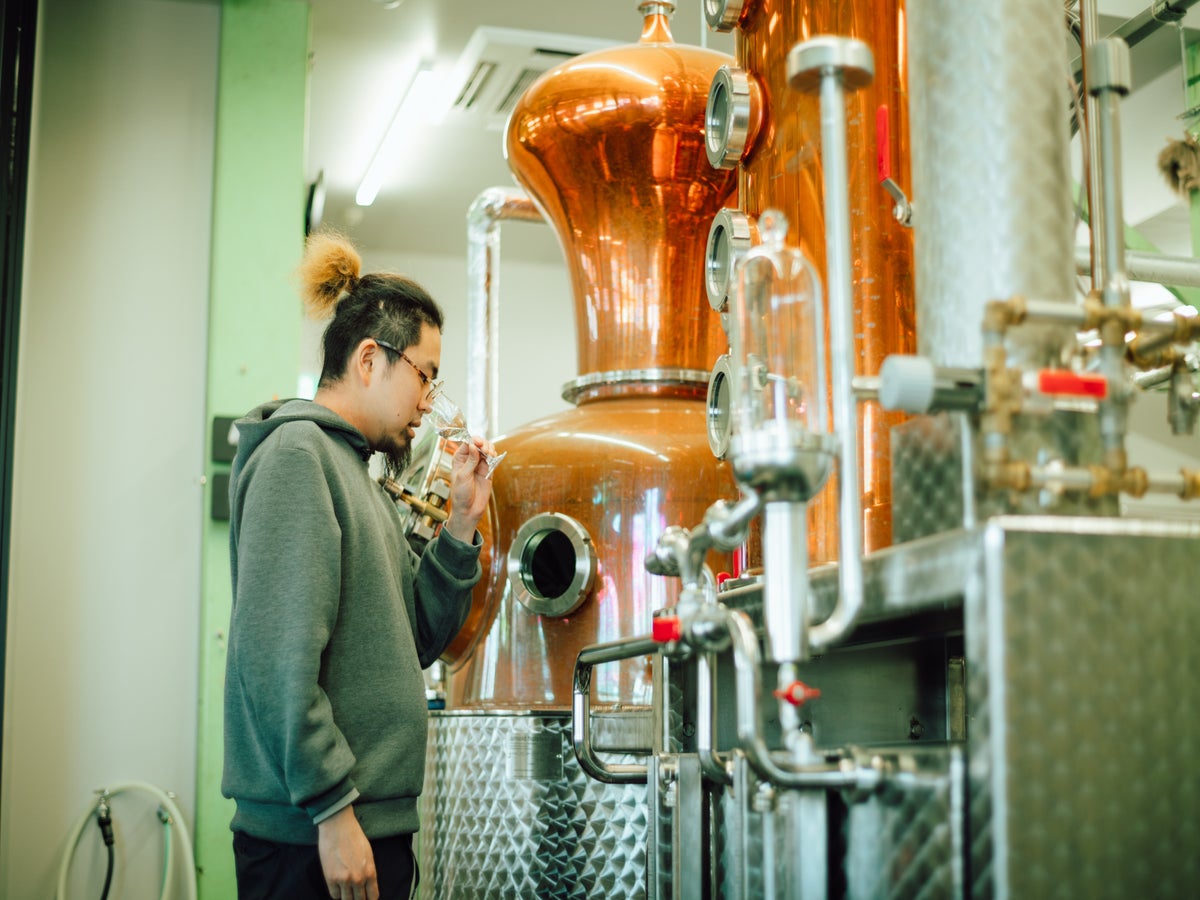
Sanaburi Distillery, run by SANABURI Co., Ltd., was founded in 2023 and began operating in January 2025. Its affiliated company, Ine to Agave, is a sake brewery in a new category called “craft sake”, which is based on traditional sake-making methods but adds secondary ingredients. Sake lees are the solids left after sake is pressed, and are often thrown away. The distillery extracts alcohol from them and turns it into a spirit. In the past, farmers are said to have distilled sake lees bought from breweries, drunk the result at the sanaburi festival held after rice planting, and used the remaining dregs as fertiliser for their fields. The distillery’s name comes from this custom.
Smoky aroma meets juniper
The smoky aroma of ibugakko is very strong, so the gin was reportedly finished with an emphasis on overall balance. The juniper berry aroma typical of gin is layered with smokiness and a faint acidity, and a rounded sweetness from the vegetable is also said to come through. It comes in a 500 ml bottle at 40% ABV, priced at 6,600 yen (tax included) in Japan. It is planned and sold by Star Mark Co., Ltd., which is working on a plan to make one “Ken Gin” in each of Japan’s 47 prefectures.
No European release had been announced at the time of the announcement. For now, it will be worth watching how the overseas rollout develops, including at the café the company runs in Ho Chi Minh City. If you get hold of a bottle, try it first neat or over a large ice cube to see how the smoky aroma and acidity come across. Then add tonic to see how the impression of the aroma changes. Pairing it with smoked fish or hard cheese also seems promising. Ibugakko can sometimes be found in Japanese food shops in Europe, so one idea is to place a slice next to the gin and taste them side by side. The use of sake lees in spirits is also worth remembering as one of the circular approaches beginning to spread in Japanese sake making.
Sources
This article was written by The Sake Wire editorial team, summarising the public sources listed above. Images are our own.
Try Akita sake in the EU — from €6
180 ml tasting bottles and full-size sake, wine, beer and gin, shipped from Amsterdam within the EU.


