Akita Sake Applies for Geographical Indication (GI) Status as a Regional Brand
A cooperative of 33 Akita breweries has applied for GI status for the prefecture's sake, launching a regional brand with exports in mind.
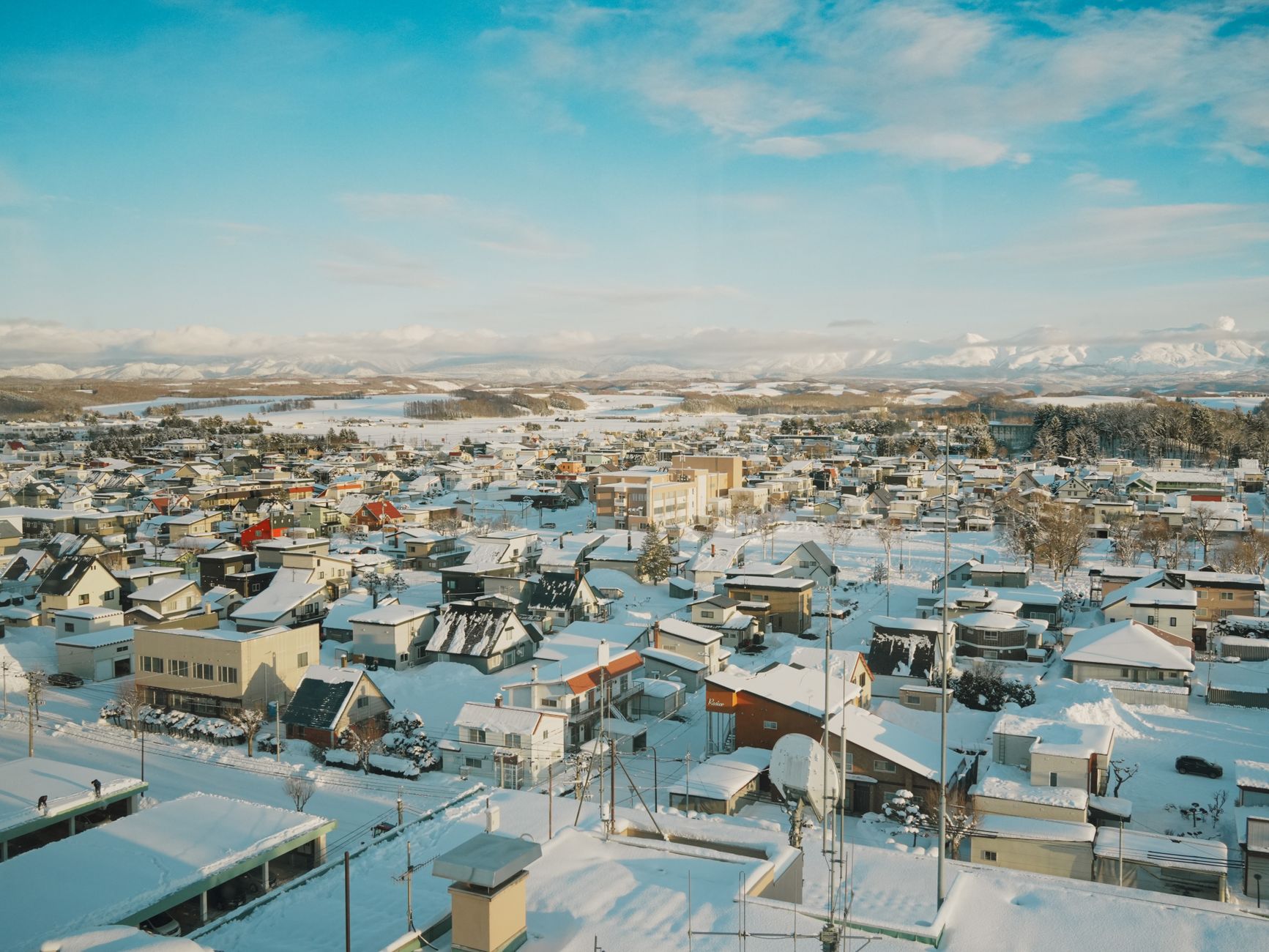
In Akita Prefecture, on the Sea of Japan coast in northern Honshu, a move is under way to protect the sake made in the prefecture as a single Geographical Indication (GI). The Akita Prefecture Sake Brewers Cooperative, which brings together 33 breweries in the prefecture, applied to the national government in June 2026. The prefecture made the application public on 17 September and said it would support efforts to strengthen the brand and expand sales channels with a view to designation. The government’s decision is expected in the next fiscal year.
GI Protects the Name of a Place

GI is a system that protects products whose quality and character are tied to a particular place, by defining who may use the name of that place. European readers will know the idea from Champagne and Parma ham. Japan also has a GI system for alcoholic drinks, and once a designation is granted, only products that meet the set standards may carry the name of the region. The cooperative’s aim in applying is to raise the value of the name “Akita sake” itself in order to grow exports. If designation is achieved, the prefecture says it will officially declare Akita a “sake prefecture”.
Low-Temperature, Long Fermentation, Shaped by the Snowy Winters

The application names a brewing method called “Akita-style low-temperature, long fermentation” as the distinguishing feature of Akita sake. In sake brewing, the conversion of rice starch into sugar and the conversion of that sugar into alcohol by yeast take place at the same time in the same tank. In Akita, where winters are harsh, brewers have kept the fermenting moromi (mash) at a low temperature and let it ferment slowly over time. The application describes the character of the sake produced by this method as “gentleness on the palate”. Sake fermented slowly at low temperatures is said to tend towards a fine, delicate taste with few off-flavours.
Even before the GI decision is announced, it is possible to pick out Akita sake in Europe. You can check the back label of the bottle or the importer’s description to see whether the brewery is located in Akita Prefecture. Begin tasting at around 10 to 15°C, without chilling the sake too much, and follow how the flavour changes as it gradually warms in the glass; this makes it easier to grasp the outline of its gentle taste. If designation is granted, the place name “Akita” should become a new guide when choosing a bottle.
Sources
This article was written by The Sake Wire editorial team, summarising the public sources listed above. Images are our own.
Try Akita sake in the EU — from €6
180 ml tasting bottles and full-size sake, wine, beer and gin, shipped from Amsterdam within the EU.


