Miyazaki sweet potato shochu 'Aizome' wins gold at ISC 2026, its second gold medal
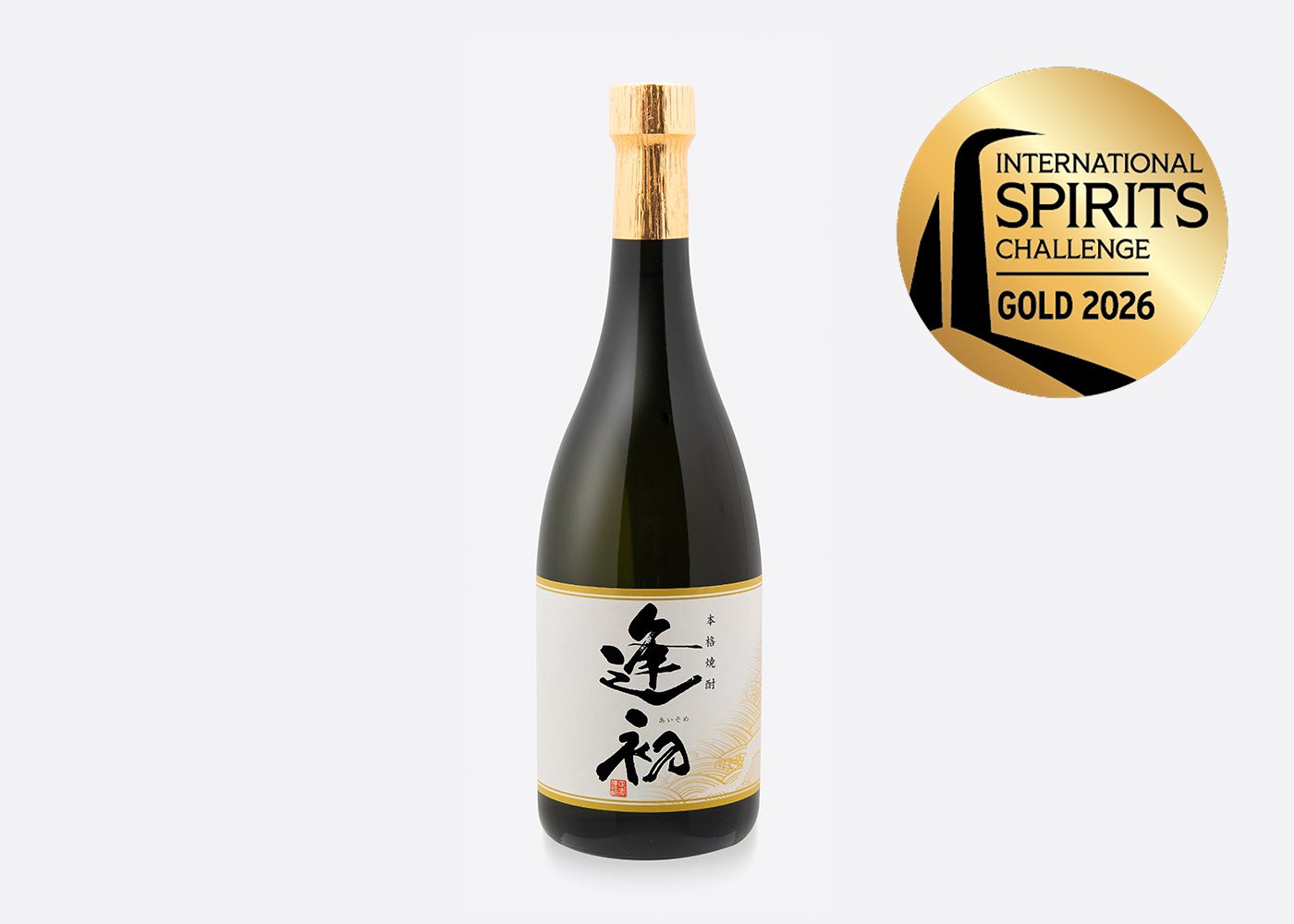
Aizome, a sweet potato shochu made by Yamaya Distillery in Miyazaki Prefecture, has won gold at the UK's ISC 2026 spirits competition, following its 2023 gold.
A sweet potato shochu for toasting, chosen by British judges
On 18 September, Yamaya Distillery Co., Ltd. (Saito, Miyazaki Prefecture) announced that its “Honkaku Shochu Aizome” had won a gold medal at the 2026 International Spirits Challenge (ISC). The ISC is a competition held every year since 1995 by Drinks International, a UK trade publisher specialising in alcoholic drinks, and is regarded as one of the world’s most prestigious spirits competitions. Judging takes place over two weeks, with more than 70 industry experts scoring aroma, appearance, taste and finish in blind tastings. On a stage dominated by whisky and gin, a gold medal for a Japanese shochu is no small achievement.
Aizome is a sweet potato shochu first made in 2001, developed around the idea of “a sweet potato shochu everyone can raise a glass to”. It is said to be distinguished by a gentle version of the characteristic sweet potato aroma, combined with the natural sweetness of the raw material and a clean finish. The same brand also won gold at the ISC in 2023, making this its second gold. It won silver in 2024, so this is also a return to gold.
What is shochu? The basics of sweet potato shochu

Shochu is a Japanese distilled spirit made from ingredients such as rice, barley or sweet potatoes, which are saccharified and fermented using koji, a type of mould, before being distilled. “Honkaku shochu” is a category under Japanese law for shochu made by single distillation in which the flavour of the raw ingredients is retained. It is typically around 25% ABV, lower than whisky or gin, and in Japan it is commonly drunk diluted with water or soda alongside a meal.
Aizome is made from Koganesengan, a sweet potato variety that is rich in starch and gives off a sweet aroma when steamed. It is widely used in sweet potato shochu from Miyazaki and Kagoshima. The bottle is 720 ml, 25% ABV, and costs 1,650 yen (including tax) in Japan.
A small distillery with roots in the early Meiji era
Yamaya Distillery began in the early Meiji era (around 1870) in the Yoshida district of Saito as “Yoshida no Shochu”, giving it a history of about 150 years. Saito is said to have a myth that casts it as the birthplace of sake, and the distillery keeps to local water and traditional methods. It is now part of the group of Yamaya Communications, a food company based in Fukuoka, and besides shochu it also makes the craft gin MASAHARU and a strawberry eau-de-vie. At ISC 2026 these two also won silver medals, showing that its spirits beyond shochu continue to be recognised.
Enjoying it in Europe
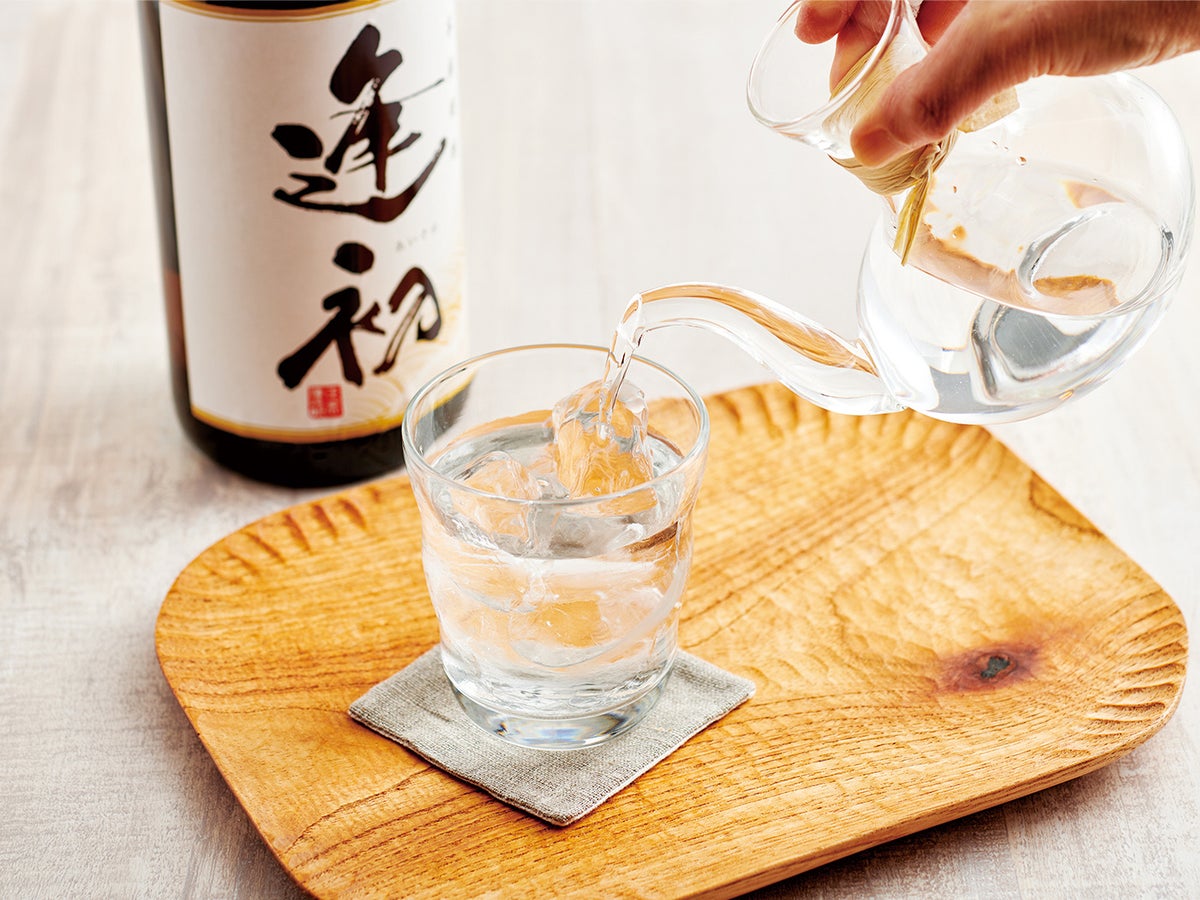
At present, Aizome is announced as being sold through the company’s own shops in Japan and its official online shop, and no distribution in the EU has been announced. That said, sweet potato shochu as a category can be found in specialist sake and spirits shops and Japanese restaurants in Europe. Look on the label for words such as “imo” (sweet potato), “Koganesengan”, “Miyazaki” or “Kagoshima” and you should find a similar style. If you are new to it, try it on the rocks, or diluted with one to two parts water or soda to one part shochu. The faint sweet aroma from the sweet potato and a drinking experience light enough that you would hardly guess it is a distilled spirit are what make shochu appealing in a way whisky and gin are not.
Sources
This article was written by The Sake Wire editorial team, summarising the public sources listed above. Images are our own.
Try Akita sake in the EU — from €6
180 ml tasting bottles and full-size sake, wine, beer and gin, shipped from Amsterdam within the EU.


