Bo: adds a new kimoto junmai made with Akita Sake Komachi, bottled pasteurised
Tochigi's Tonoike Shuzoten, which exports to 17 countries, began shipping a limited kimoto junmai made with Akita Sake Komachi on 17 September.
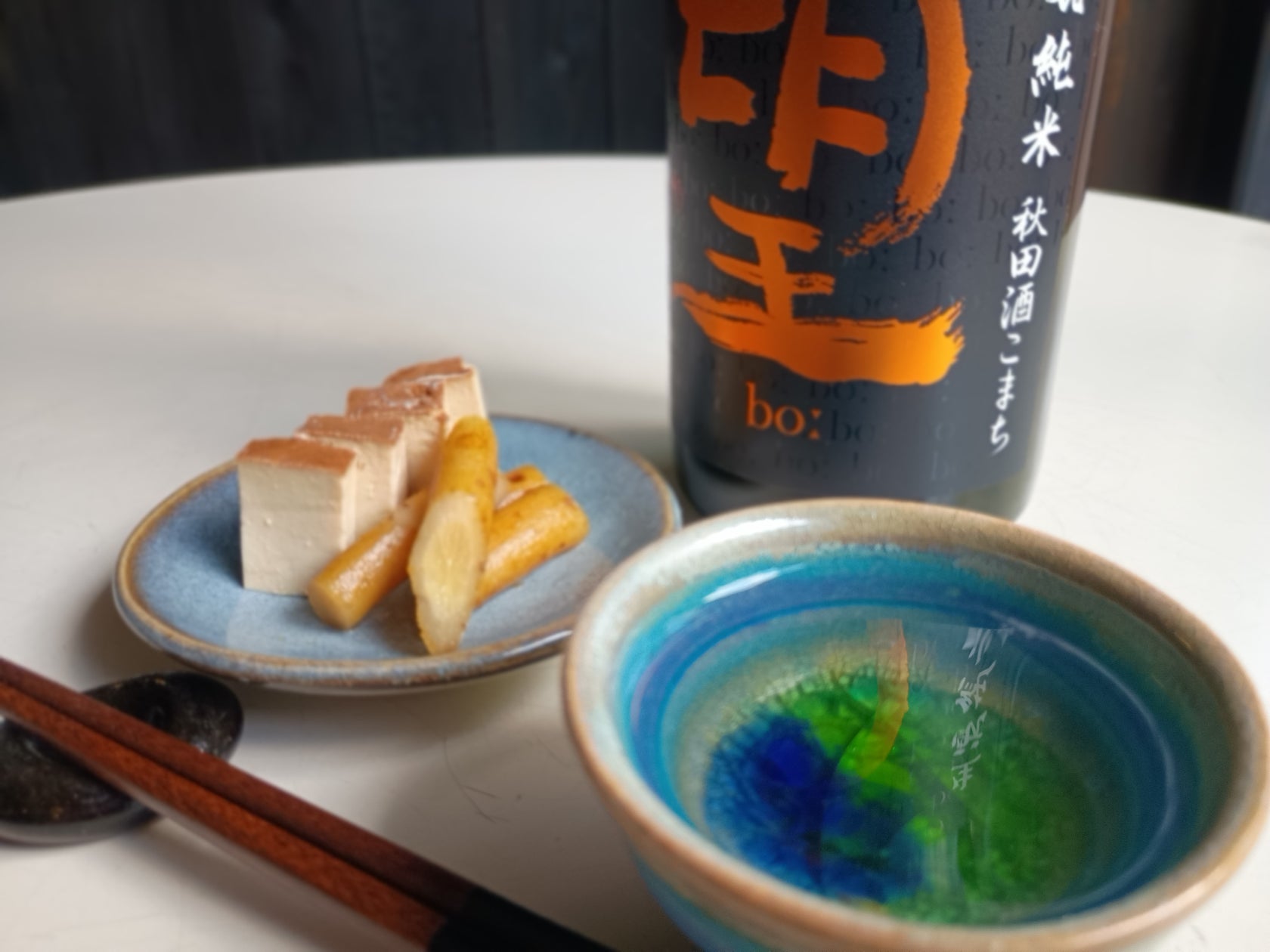
Tonoike Shuzoten (founded 1937), a brewery in Mashiko, Tochigi Prefecture, north of Tokyo, began shipping a new release from its flagship brand Bo: to specialist retailers across Japan on 17 September 2026. Called ‘Bo: Kimoto Junmai Akita Sake Komachi Muroka Binkan Hiire’, it is a sake pressed in spring, pasteurised and then matured in the brewery over the summer. It uses Akita Sake Komachi, a sake rice from Akita Prefecture, milled to 65%, and has an alcohol content of 16%. According to the company, it follows the method that once won the top prize (first place) at the Kanto-Shinetsu Regional Taxation Bureau Sake Appraisal.
A brand that takes on ‘the sake of tomorrow’
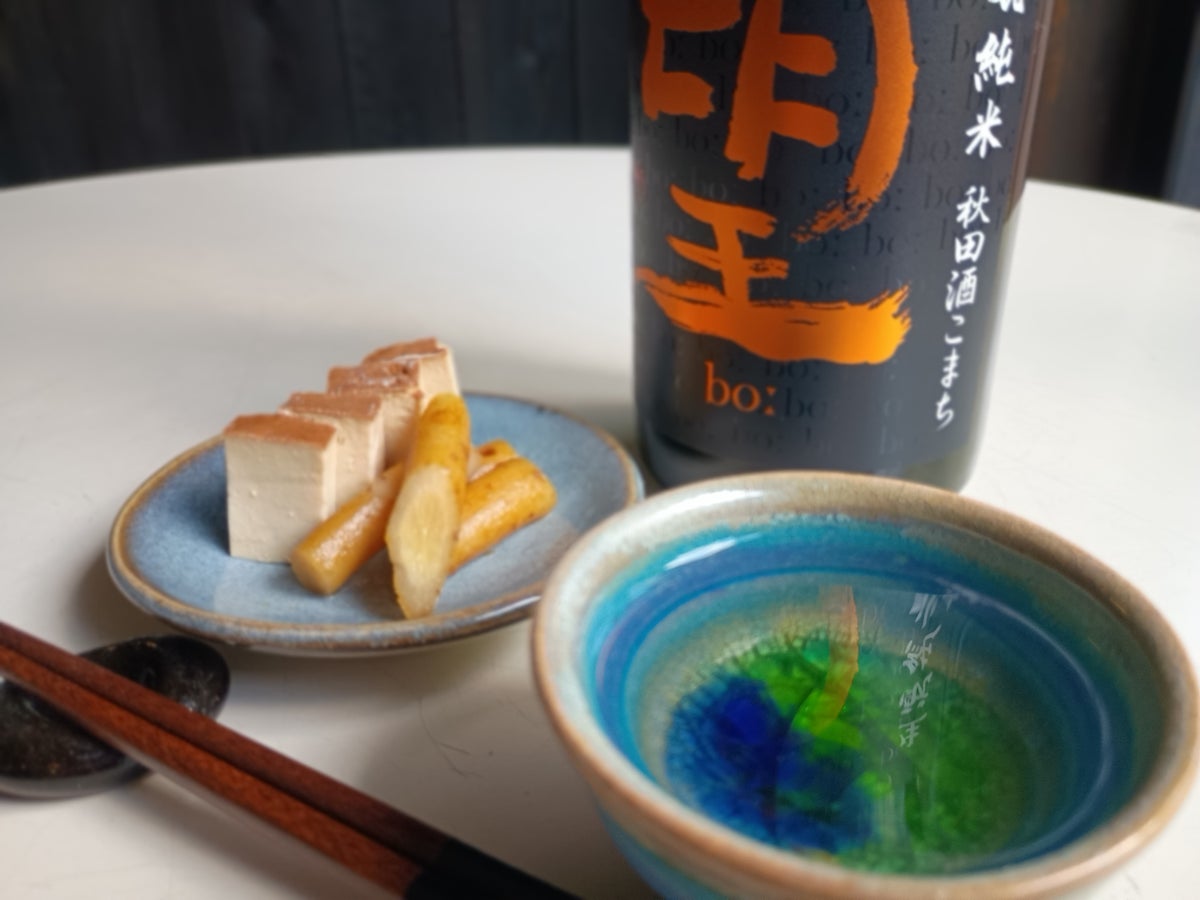
Bo: is a relatively young brand, with brewing beginning in 2012. From 2013 to the end of August 2026, cumulative shipments exceeded 220,000 bottles, counting 1.8-litre and 720 ml sizes together. Its hallmark is consistency of specification. The whole series follows the same rules: ‘junmai’, with no added brewer’s alcohol; ‘muroka’, unfiltered; and ‘genshu’, undiluted at 16%. The aim is to capture the character of the rice in the bottle as it is. As of March 2026, Tonoike Shuzoten exports to 17 countries, and the brewery has a strong record in overseas competitions, including overall first place at Kura Master in France in 2022, the Grand Prix at the US Sake Appraisal in 2023 and 2024, and a trophy at the International Wine Challenge in 2026.
Kimoto without added lactic acid, and a summer of maturation
At the heart of this new release is the traditional technique known as ‘kimoto’ brewing. In most modern sake brewing, lactic acid is added to the yeast starter to suppress unwanted bacteria. Kimoto instead patiently cultivates the natural lactic acid bacteria living in the brewery. It takes more effort, but is said to produce a deep umami and a light acidity. The brewer in charge is Makoto Ono, a toji (master brewer) who holds qualifications in both the Nanbu and Shimotsuke toji traditions, and he finished the sake by combining a craftsman’s instincts with data management. After pressing, the sake is bottled and then heated in hot water to pasteurise it, a process called ‘binkan hiire’, and it is matured through the summer in the brewery to soften and round out its flavour. Akita Sake Komachi is a sake rice developed by Akita Prefecture, so it is also interesting that a Tochigi brewery chose it.
For readers in Europe
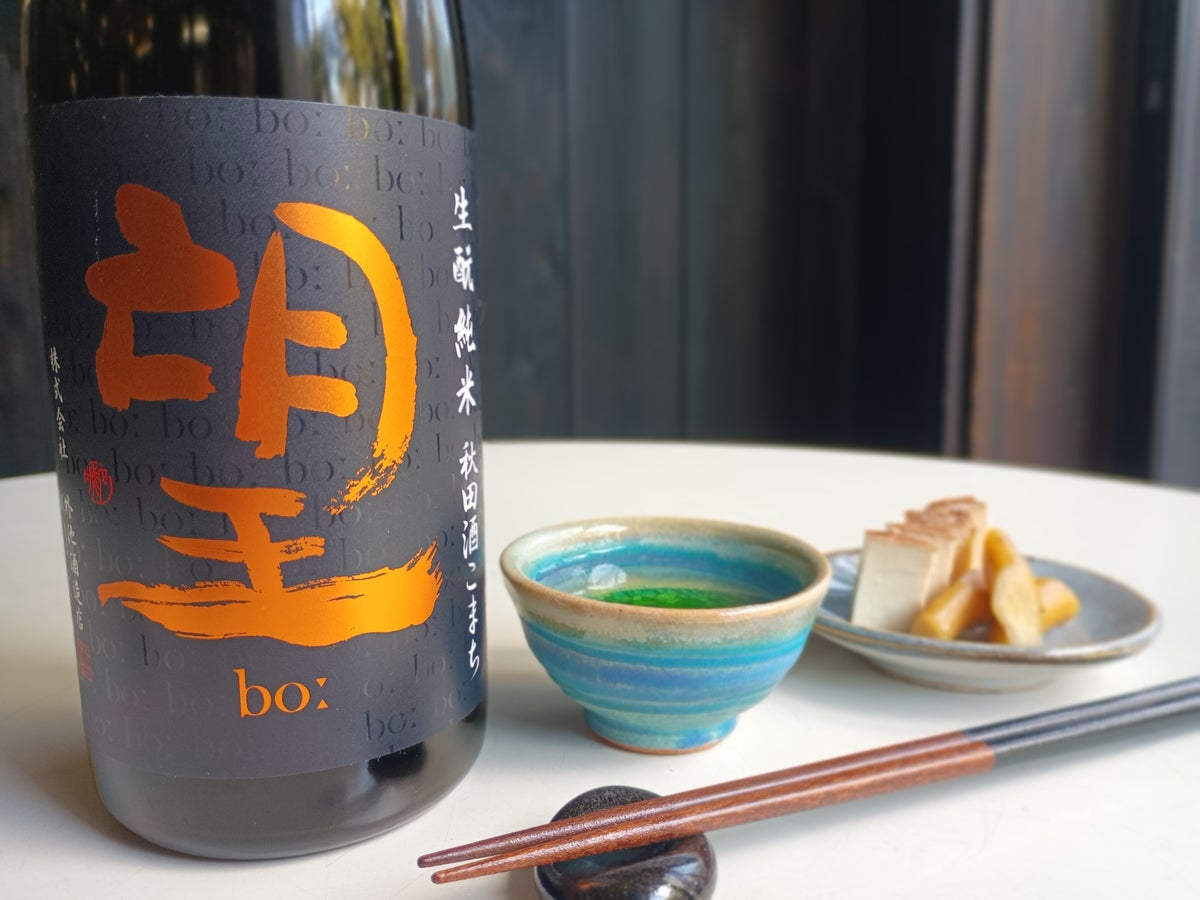
This product is distributed only through specialist retailers in Japan, and it is not yet clear whether it will be sold in the EU. Because Tonoike Shuzoten exports to 17 countries, however, you may well come across the Bo: name in specialist sake shops in Europe. Kimoto junmai is said to change character considerably with temperature: served chilled it is fresh and juicy, while at room temperature or gently warmed to around 40°C (nurukan) the rice umami from maturation tends to open up. Kimoto sake also pairs easily with rich dishes such as cheese and stews. If the label reads ‘kimoto’, ‘muroka’ and ‘genshu’, it is a bottle that shows the direction of this brand.
Sources
This article was written by The Sake Wire editorial team, summarising the public sources listed above. Images are our own.
Try Akita sake in the EU — from €6
180 ml tasting bottles and full-size sake, wine, beer and gin, shipped from Amsterdam within the EU.


