Jazz and Kabuki at a Nagoya Sake Brewery: Kintora Shuzo's Open Day
Kintora Shuzo in Nagoya held a brewery open day on 11 and 12 October, pairing sake and local craft beer with jazz and a local kabuki performance.
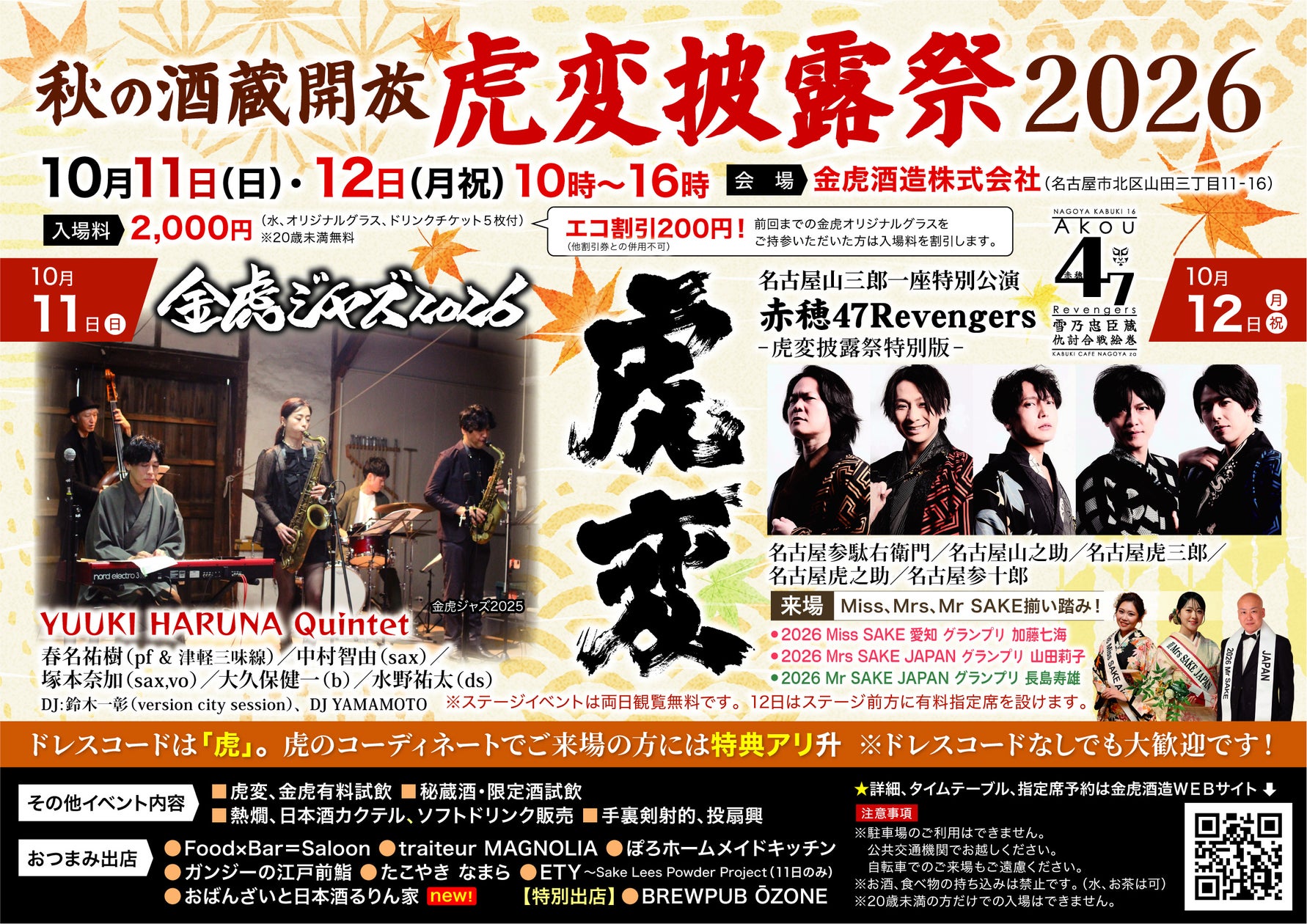
Kintora Shuzo, a sake brewery in Nagoya, a major city in central Japan, held its annual autumn brewery open day, “Kohen Hirosai 2026”, on 11 and 12 October 2026. A “kura kaiho” (brewery open day) is a Japanese sake-brewery event in which the building where sake is normally made is opened to the public and visitors can taste the sake on the spot. This year the brewery added live jazz and a performance of “Nagoya Kabuki”, a popular form of Nagoya theatre. As an attempt to present a brewery as a cultural venue in its own right, it is a useful example for European wineries and breweries too.
An open day that goes beyond drinking
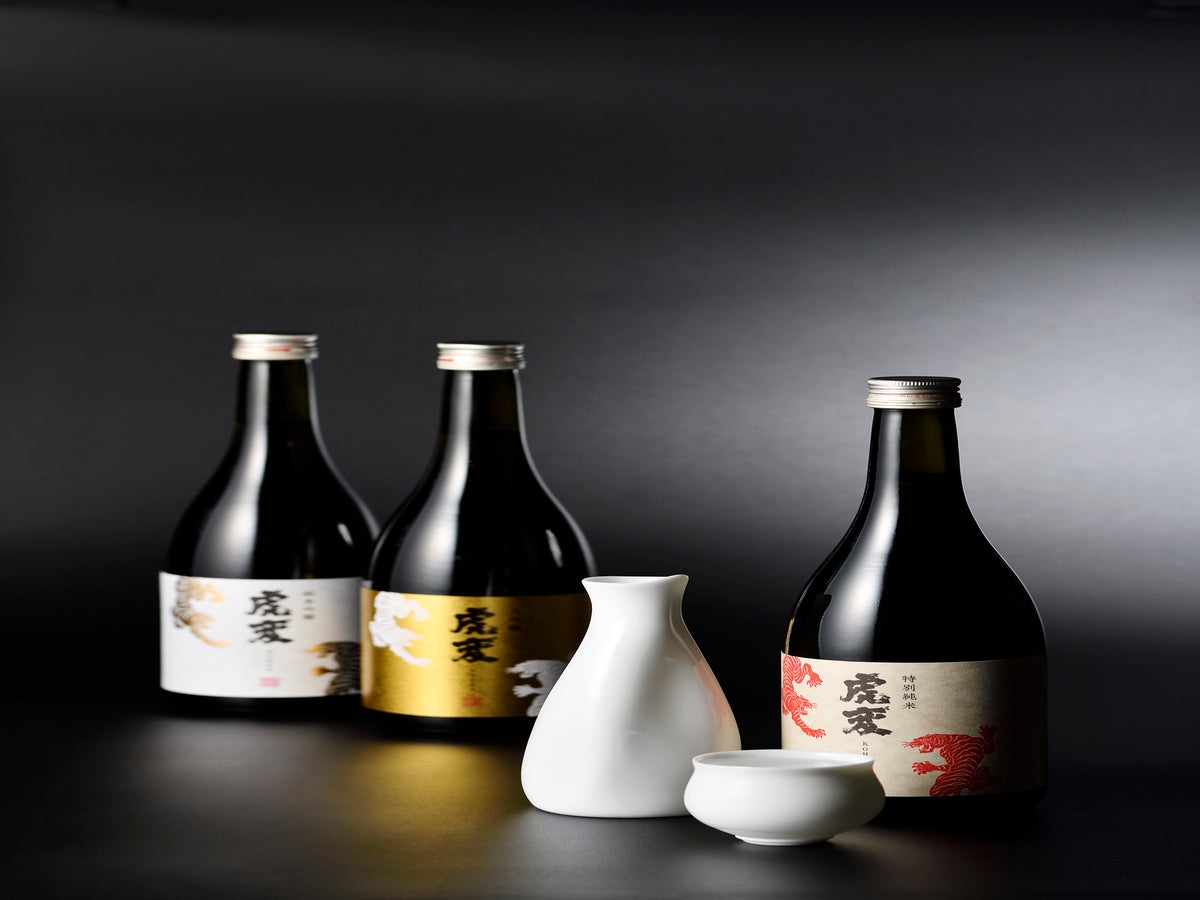
At the venue, visitors could taste and buy a range of Kintora Shuzo’s sake, including its flagship brand “Kohen”. There were also cocktail and “kan” (warmed sake) corners, which looked like a good way to show overseas visitors, who often think of sake as something drunk chilled, how much temperature changes its character. Craft beer from local breweries and stalls selling sushi, takoyaki and other food lined the site, and a project that turns sake lees (the solids left after sake is pressed) into powder also had a stand. The entry fee included a drink ticket and an original glass, and visitors who brought a glass from previous years received a discount. It is a way of building repeat visits: guests come back each year with their glasses.
Jazz and kabuki on the brewery stage
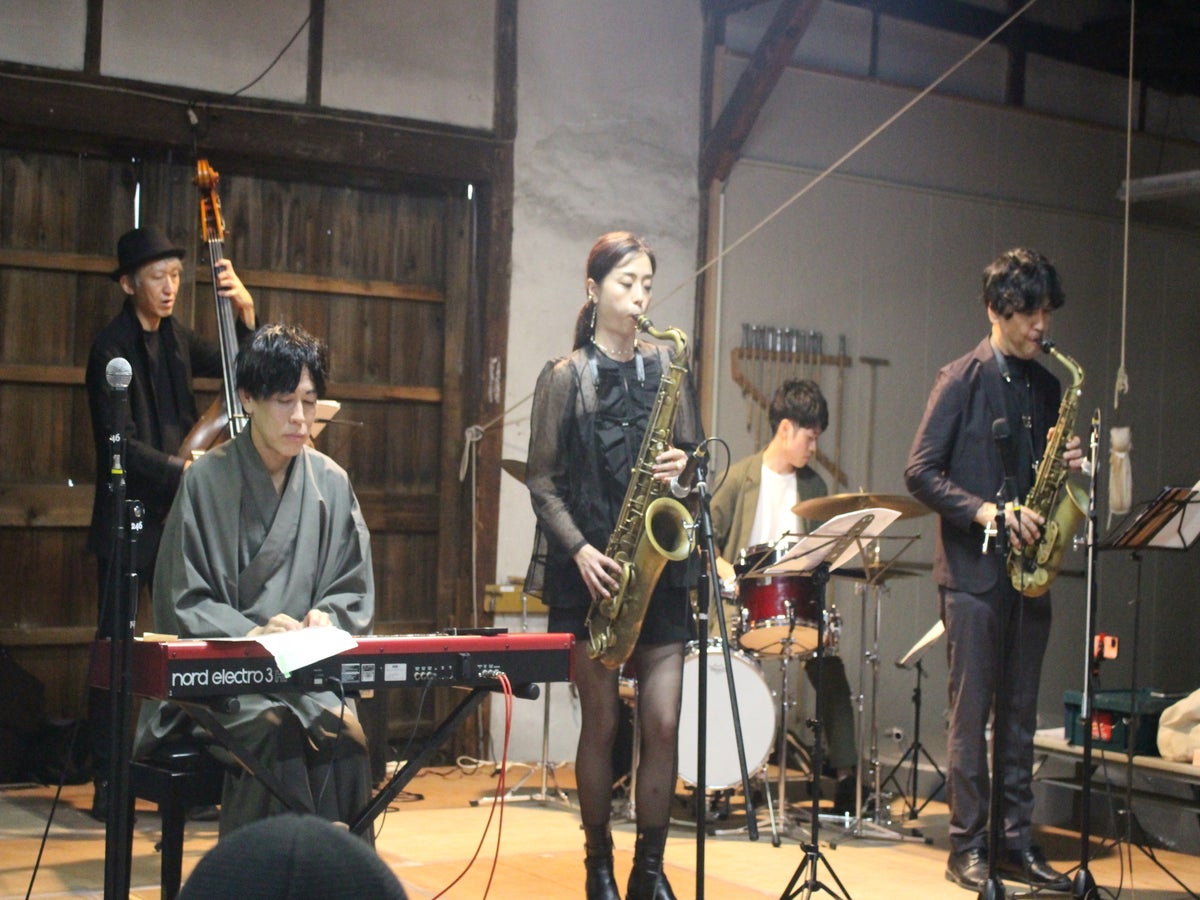
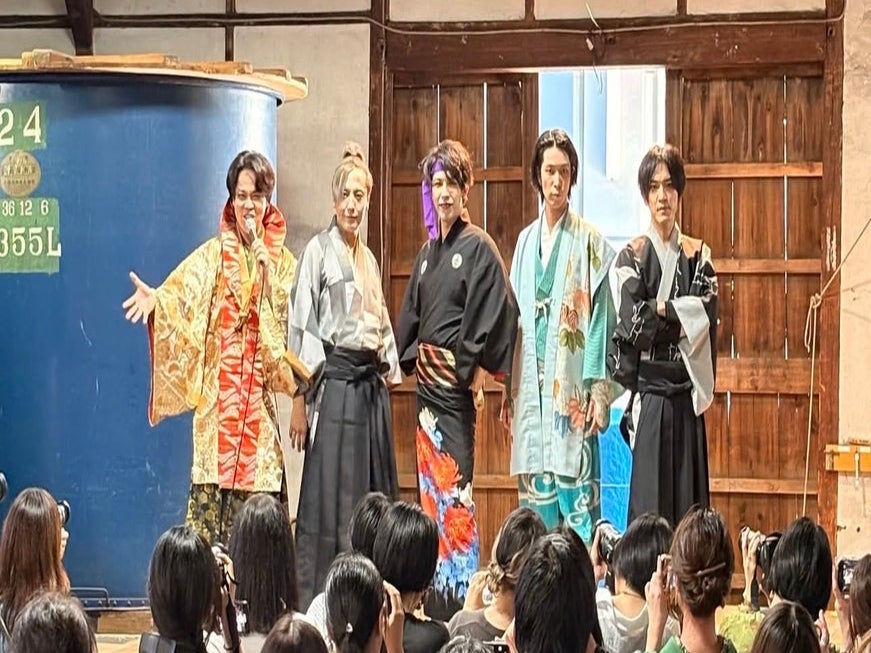
On the first day, 11 October, the five-piece band “YUUKI HARUNA Quintet”, led by Yuuki Haruna on piano and Tsugaru shamisen, played jazz. On the second day, 12 October, the theatre troupe “Nagoya Sanzaburo Ichiza”, based in Nagoya’s Enjuji shopping street, gave a special performance of “Nagoya Kabuki”, a local take on kabuki. Kabuki is a traditional form of Japanese theatre, known for its flamboyant costumes and stylised movement. The 2026 title holders of “Miss SAKE”, “Mrs SAKE” and “Mr SAKE”, who act as ambassadors for the appeal of sake, also gathered to give presentations aimed at people who do not usually drink it. A “dress code” invited visitors to wear something with a tiger motif, widening participation in a playful way.
Ideas for sake-brewery tourism
What stands out about this event is that it puts the experience of the place ahead of explaining the sake itself. By bringing in music, theatre, food and even local beer, it was set up so that people with little knowledge of sake could still feel comfortable coming along. It offers a glimpse of how sake makers in Japan are trying to attract younger generations and new kinds of customers.
If you want to enjoy something of this atmosphere in Europe, a first step is to ask a sake specialist shop or bar whether it can order Nagoya sake such as Kintora Shuzo’s “Kohen”. Even if you cannot get it, you can recreate a “small brewery open day” at home: compare the same sake served chilled and warmed, or play jazz while pairing sake with Japanese food or cheese. For anyone organising a sake event, ideas such as layering music and local food culture over a tasting, or making the glass a keepsake to encourage return visits, can be applied directly.
Sources
This article was written by The Sake Wire editorial team, summarising the public sources listed above. Images are our own.
Try Akita sake in the EU — from €6
180 ml tasting bottles and full-size sake, wine, beer and gin, shipped from Amsterdam within the EU.


