Japanese wine reaches a plateau, with premium prices seen as the way forward
Japan now has more than 500 wineries, but rising prices and a shortage of grapes have stalled the market, and producers are looking to higher-value, mid- to premium-priced wines for growth.

According to a special feature published in June 2026 by Nihon Shokuryo Shimbun, a Japanese food-industry trade paper, Japan’s wine market has reached a “plateau”. The number of wineries in Japan passed 500 in 2025 and is still rising, but with prices climbing, demand for wine as a discretionary purchase is struggling to grow. In Japan, wine made solely from domestically grown grapes and fermented in the country is called “Japanese wine” (Nihon wine), which is distinguished from “domestic wine” (kokusan wine), a category that can also use imported grape juice and other imported materials.
More producers, but sales are flat
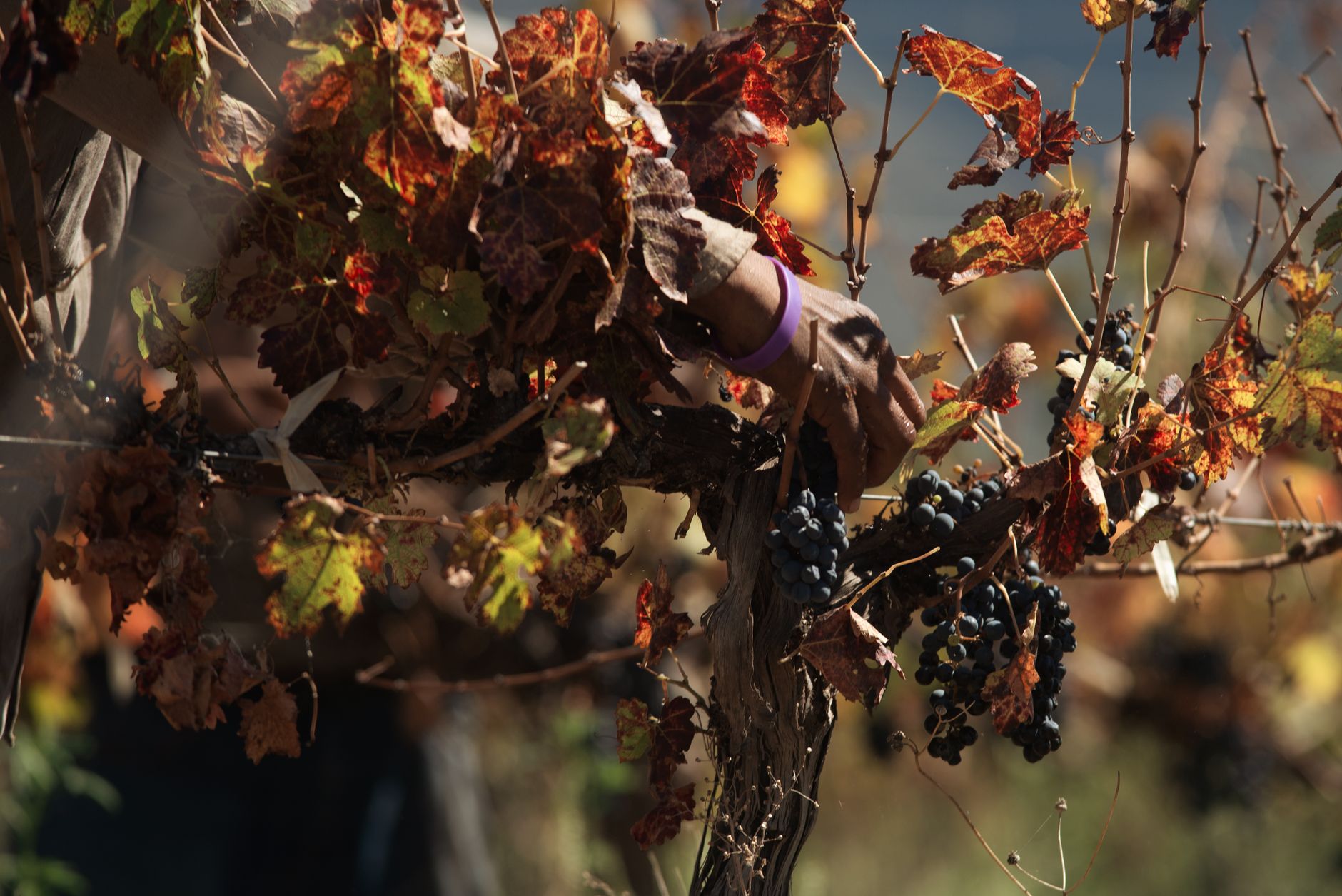
The weakness is most visible at the low-price end. As living costs rise, people who used to drink affordable wine are drifting towards beer and towards RTDs (ready-to-drink), low-alcohol drinks sold in cans. A shortage of grapes has also pushed up procurement costs, so the share of sales taken up by production costs has risen sharply. A business built on volume is becoming harder to sustain.
The big players aim a notch higher

Companies are therefore concentrating on the mid- to premium-priced segment, where there is room to grow. Sapporo Breweries is drawing on the advantage of owning its own vineyards to build up the top-tier “Single Vineyard” series of its Japanese wine brand Grande Polaire. Manns Wine is offering its premium brand Solaris to the on-trade market, such as restaurants, aiming to raise awareness rather than sell large volumes. Kokubu Group, a major wholesaler, is expanding its JWINE brand, which brings together 17 wineries, across the country and promoting how well the wines pair with Japanese cuisine.
Support starting in the vineyard
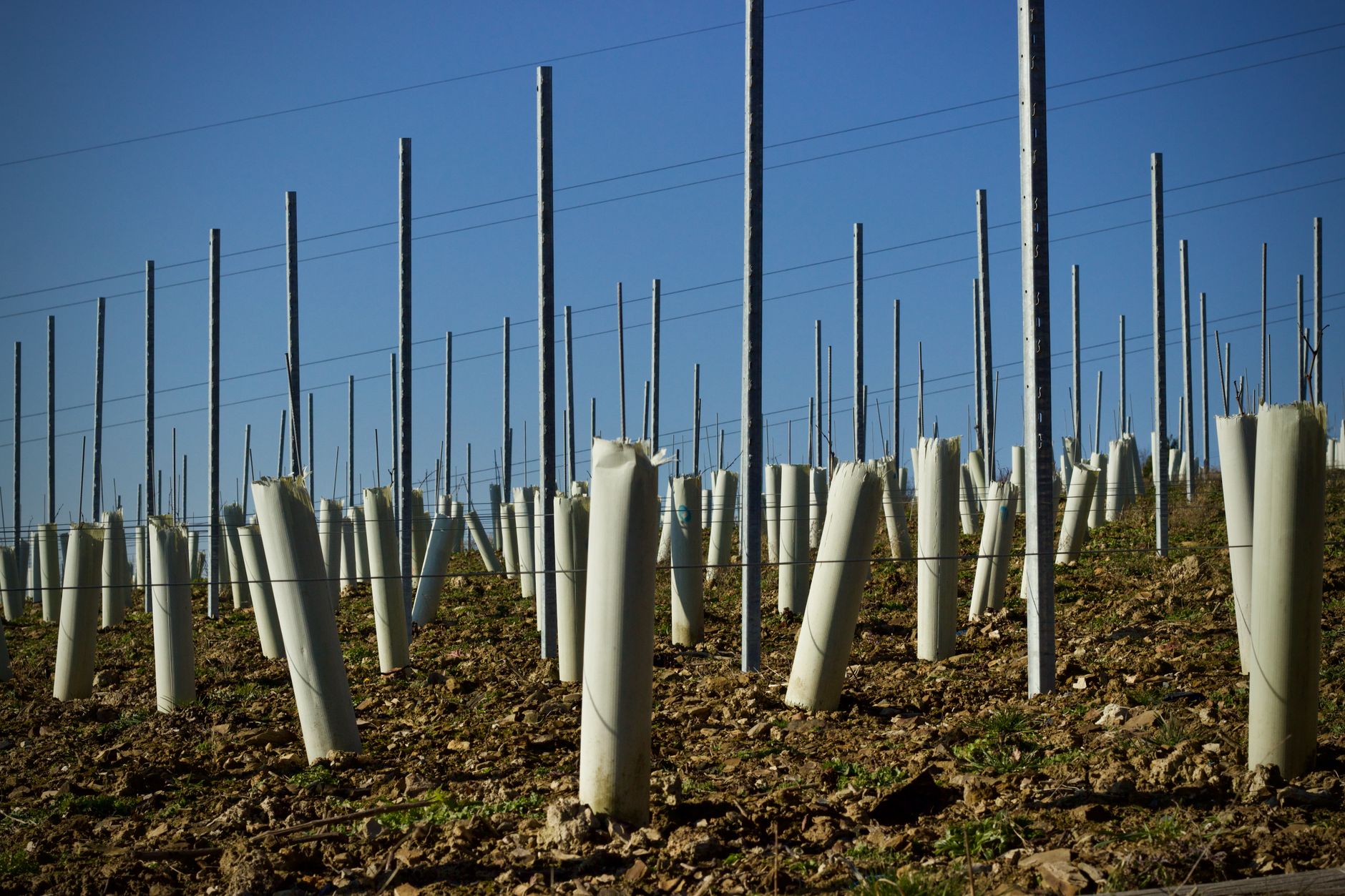
Mercian is supporting the wine business of Biei Farm, which runs a dairy and cheese-making operation in Hokkaido, from the stage of choosing seedlings and planting vines. It is the first time the company has become involved at such an early stage. In Oita Prefecture in Kyushu, Sanwa Shurui opened the Ajimu Budoshu Kobo winery in 2001 and has been making wine for 25 years. Meanwhile, Mercian is using canned sparkling wine to reach new drinkers such as younger people, seeking to grow the market with both premium bottles and casual cans.
How to enjoy it in Europe

With producers focusing on the mid- to premium-priced segment, the Japanese wines you are likely to see in Europe from now on will mostly be ones that emphasise their region or vineyard. When searching in specialist shops or online, check whether the label says “Japanese wine” and whether it names a single vineyard. As the producers recommend, pairing them with fish or light dishes made with dashi makes the delicacy typical of Japanese wine easier to appreciate.
Sources
This article was written by The Sake Wire editorial team, summarising the public sources listed above. Images are our own.
Try Akita sake in the EU — from €6
180 ml tasting bottles and full-size sake, wine, beer and gin, shipped from Amsterdam within the EU.


