Akita Governor Promotes Sake in Hong Kong as Prefecture Backs Export Push
On 22 July 2026, Akita Governor Kenta Suzuki visited supermarkets in Hong Kong to present sake and rice in person, saying he wants to expand exports of prefectural products.
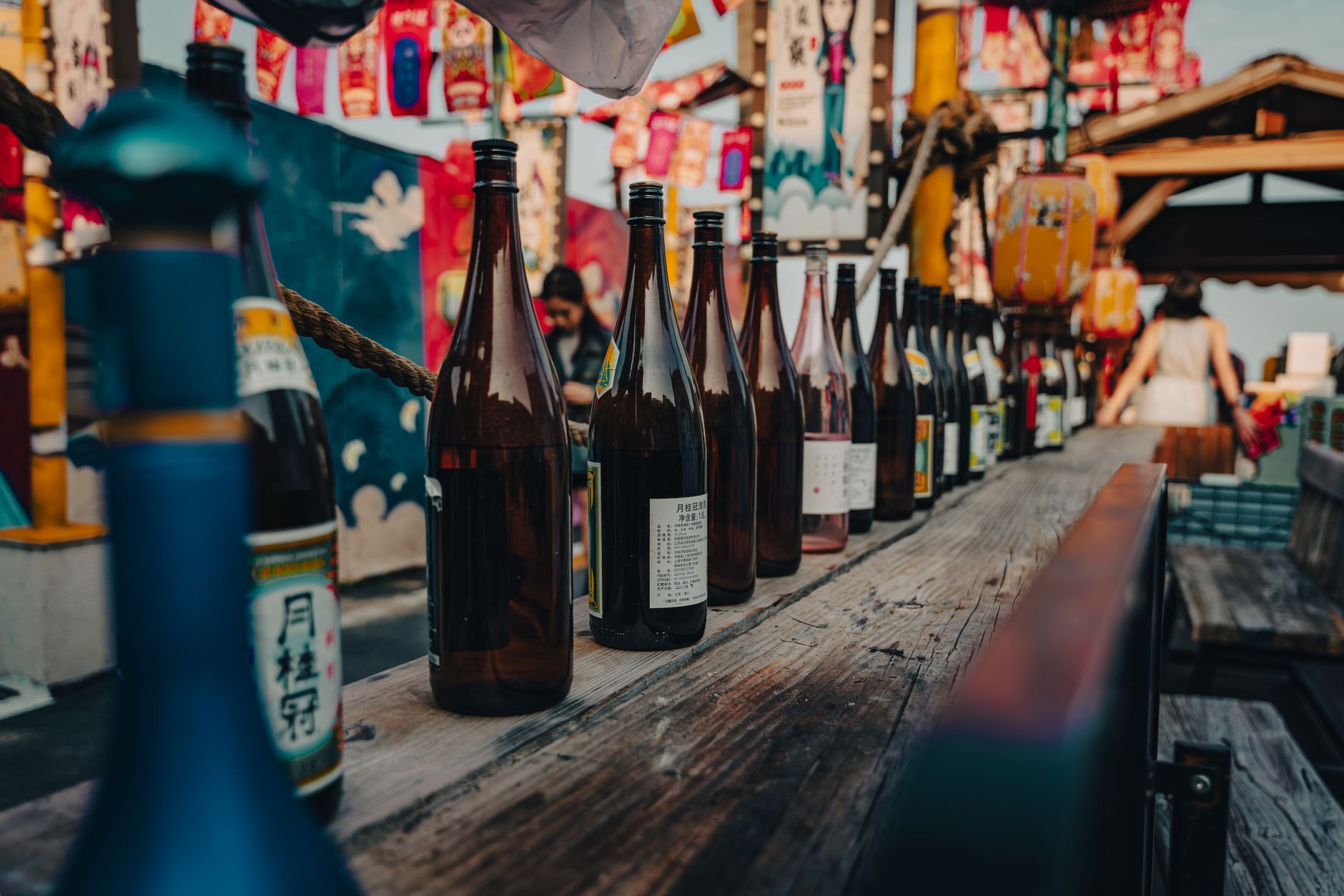
The governor goes to the shop floor in Hong Kong
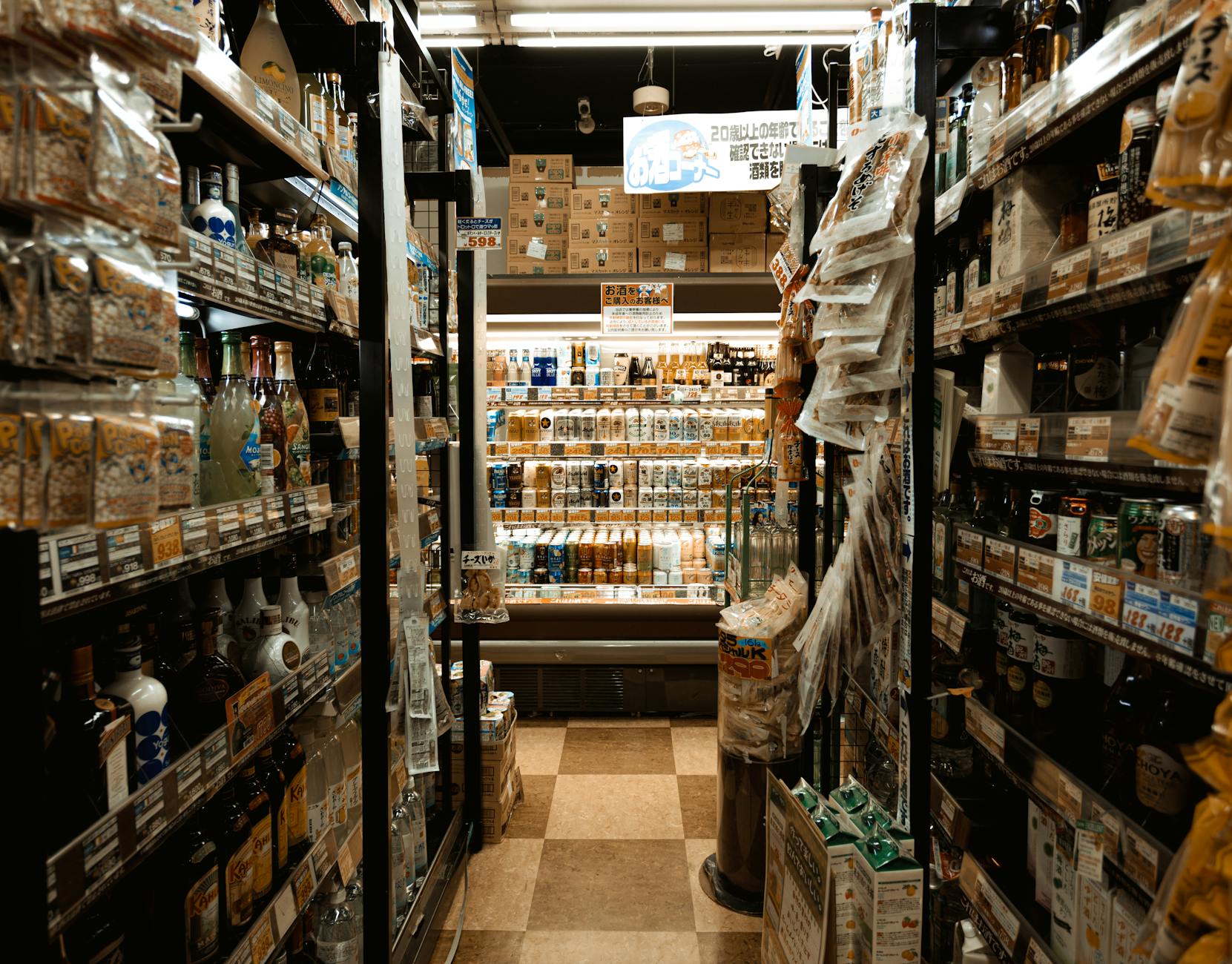
Akita is a prefecture in northern Honshu, on the Sea of Japan coast, known for its harsh winter cold, heavy snow and rice farming. On 22 July 2026, the prefecture’s governor, Kenta Suzuki, visited Hong Kong, where he toured local supermarkets and travel agencies. As well as specialities such as rice and sake, he reportedly introduced the appeal of the region’s tourist destinations. In interviews with Kyodo News and others, the governor said he wants to increase the number of foreign visitors to Japan and, at the same time, expand exports of the prefecture’s products.
Selling a region, not a brewery

What stands out about this visit is that sake was promoted not as the product of a single brewery but as a “face of the region”, alongside rice. Sake is made from rice, water and koji (a mould grown on rice that converts starch into sugar). For that reason, the character of a sake is often described in terms of local conditions such as the rice, the water and the climate. It is not easy for a small brewery to secure shelf space in overseas retailers on its own. When the head of a local government promotes products directly in the shop, it can help regional breweries open up overseas sales channels. This time the destination was Hong Kong, but it can also be read as a sign of an approach that supports sake exports at the level of the whole production region rather than brewery by brewery.
Enjoying sake in Europe
When choosing sake in Europe, try looking at the prefecture name on the label, much as you would look at a wine region. Tasting a few bottles from well-known rice-growing areas such as Akita side by side will reveal the differences between regions. “Junmai” on the label means a sake made only from rice, koji and water, while “ginjo” and “daiginjo” refer to sake made with rice that has been polished down considerably. “Seimaibuai” (rice polishing ratio) is the percentage of the rice that remains after polishing; the lower the number, the more fragrant and lighter the sake tends to be. Ginjo-style sake is best slightly chilled in a wine glass to enjoy its aroma, while junmai sake can be served at room temperature or lukewarm, and pairs well with stews and cheese. If a particular region catches your interest, ask a sake specialist or importer whether they stock sake from that prefecture.
References and sources
Akita Sakigake Shimpo (Kyodo News), “Governor Suzuki promotes Akita in Hong Kong, introducing local products and tourist attractions” https://www.sakigake.jp/news/article/20260722CO0135/
Sources
This article was written by The Sake Wire editorial team, summarising the public sources listed above. Images are our own.
Try Akita sake in the EU — from €6
180 ml tasting bottles and full-size sake, wine, beer and gin, shipped from Amsterdam within the EU.


