Yamagata's prefecture-wide brand 'Yamagata Sanga' heads to Taiwan in first full-scale export
The latest vintage of Yamagata Sanga, the junmai daiginjo made by the Yamagata Sake Brewers Association as the prefecture's unified brand, went on sale on 15 May, with its first full-scale export to T
In Yamagata Prefecture, on the Sea of Japan side of the Tohoku region in north-eastern Japan, this year’s edition of “Yamagata Sanga”, a junmai daiginjo sake that the prefectural sake brewers association makes every year as a flagship for the whole prefecture, went on sale on 15 May 2026. It is the first time since the 2022 relaunch that the sake is being exported to Taiwan on a full-scale basis. As a drink that carries the name of a prefecture rather than that of a single brewery, its journey overseas is a development worth watching as an approach to sake exports.
One sake for the whole prefecture
Yamagata Sanga is produced by the Yamagata Sake Brewers Association, which brings together the sake breweries of the prefecture. Its chairman is Ichiro Sato, president of Koigawa Shuzo. The association positions the sake as a “flagship” for spreading awareness of Yamagata’s premium sake. Normally each brewery competes with its own brand, but Yamagata Sanga is a sake meant to demonstrate quality at the level of the prefecture. The thinking, one could say, is that on overseas shelves the place name “Yamagata” is easier to remember than the name of a small brewery few people know.
The sake rice Yuki Megami, and Yamagata’s strength in ginjo
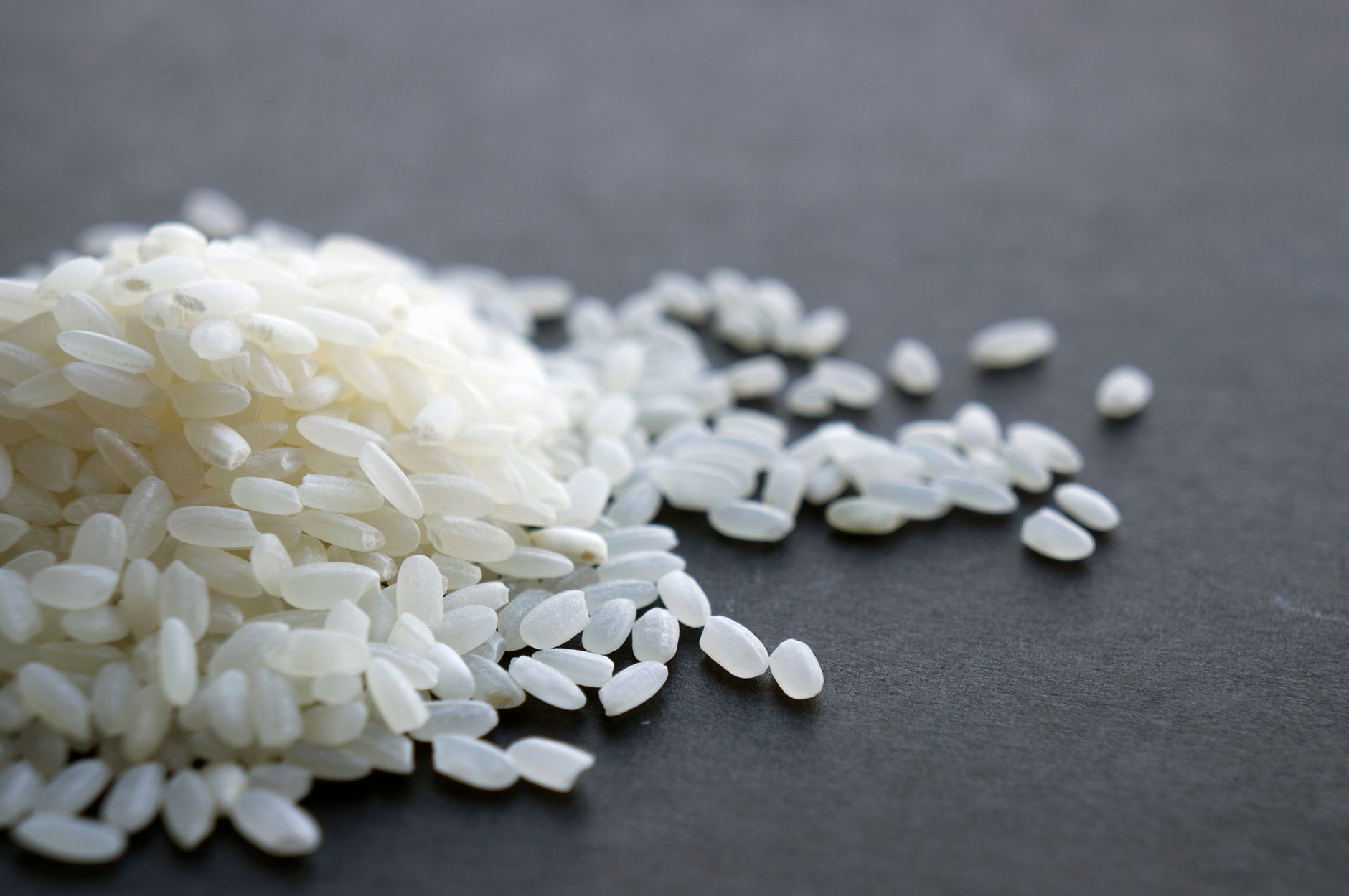
The sake uses Yuki Megami, a rice for daiginjo developed in Yamagata Prefecture. Junmai daiginjo is the top class of sake, brewed with no added brewer’s alcohol and with the rice polished away from the outside until half or less remains. The figure showing how much of the rice is left is called the “seimai buai” (rice polishing ratio); the more heavily polished the rice, the more floral the aroma and the cleaner the taste are generally said to be. Yamagata is known as a prefecture with a high proportion of ginjo sake and is sometimes called the “kingdom of ginjo”. It is also a region with the prefecture-level geographical indication “GI Yamagata”, and Yuki Megami is one of the rice varieties that support Yamagata’s ginjo brewing.
After the 2022 relaunch, on to Taiwan
Yamagata Sanga was completely revamped in 2022. This export to Taiwan is the first case of the renewed Yamagata Sanga going overseas on a full-scale basis. Taiwan is a major Asian market where sake is very popular, a natural place to test how well the prefecture’s flagship sells. Opportunities to come across this sake in Europe are probably still rare, but what is worth noting is not only the sake itself but also the mechanism of a “prefectural brand”. When choosing sake, the “Yamagata” on the label, the GI mark and the rice name “Yuki Megami” can serve as clues, making it easier to compare ginjo sakes from the same region. Junmai daiginjo is best served chilled, in a white wine glass, so that you can appreciate the aroma.
Sources
- Mainichi Shimbun, “‘Yamagata Sanga’ to be exported to Taiwan; junmai daiginjo, the prefecture’s unified brand (Yamagata)” https://mainichi.jp/articles/20260518/ddl/k06/020/060000c
- SAKE Street, “What is the rice polishing ratio of sake?” https://sakestreet.com/ja/media/what-is-polishing-ratio
- SAKE Street, “Shops near major stations where you can buy sake as souvenirs: southern Tohoku edition” https://sakestreet.com/ja/media/souvenir-sake-shop-in-south-tohoku
Sources
- 毎日新聞「「山形讃香」 台湾輸出へ 純米大吟醸酒 県の統一ブランド /山形」
- SAKE Street「日本酒の「精米歩合(せいまいぶあい)」とは?高い・低いと味はどう変わる?数字からわかる特徴を解説」
- SAKE Street「日本酒ファンおすすめ!主要駅近くでお土産のお酒が買えるお店まとめ - 南東北(宮城、山形、福島)編」
This article was written by The Sake Wire editorial team, summarising the public sources listed above. Images are our own.
Try Akita sake in the EU — from €6
180 ml tasting bottles and full-size sake, wine, beer and gin, shipped from Amsterdam within the EU.


