US sake retailer Tippsy renames itself Palate Project and moves to direct import
US online sake retailer Tippsy has changed its company name and brand, switching to a self-import, direct-sales model that takes sake from the brewery straight to the consumer.

Tippsy, Inc., a Los Angeles-based company that has sold around 600 kinds of sake online, changed its company name to Palate Holdings Inc. and its service name to Palate Project on 30 April 2026. This is more than a change of name. Until now it was an online shop selling products sourced within the United States; from here on it operates as a DTC (direct-to-consumer, selling without intermediaries) importer, bringing sake in from Japan itself and selling directly to American consumers.
The demand is there. The problem is the number of distribution tiers

Since its founding in 2018, the company says, it has introduced sake to American consumers through careful communication and has shown that there is real demand. The obstacle to growth, it argues, is the multi-tiered distribution structure peculiar to the United States. Complex alcohol regulations and the dominance of a few large players mean that several layers of intermediaries sit between brewery and consumer. In the company’s view, the margins stack up and push shelf prices higher, while longer shipping and storage times make it easier for quality to deteriorate. In the US, Japanese food has rapidly grown in popularity, yet the sake market has seen only limited growth.
An end-to-end system built with the Kokubu Group
As its solution, the company has set up an import function in-house. It has also teamed up with Kokubu Group Corp., a major Japanese alcohol and food wholesaler that invested in it in 2025, and uses Kokubu’s domestic distribution network to source sake from breweries across Japan. This “vertically integrated” set-up manages everything from purchasing in Japan to sales in the US within a single company, and sales of its self-imported products have already begun. The company aims to widen its self-imported range and make sake affordable enough to drink every day. It also says it will launch “Fresh from Brewery”, a fully refrigerated, same-day-delivery service specialising in namazake (unpasteurised sake that has not been heat-treated and must be kept chilled). CEO Genki Ito describes the Tippsy years as the “first chapter”, in which demand was proved, and the current move to build its own distribution infrastructure as the “second chapter”. The new tagline is “The Taste of Sake Transcends Cultures”.
A note for European readers
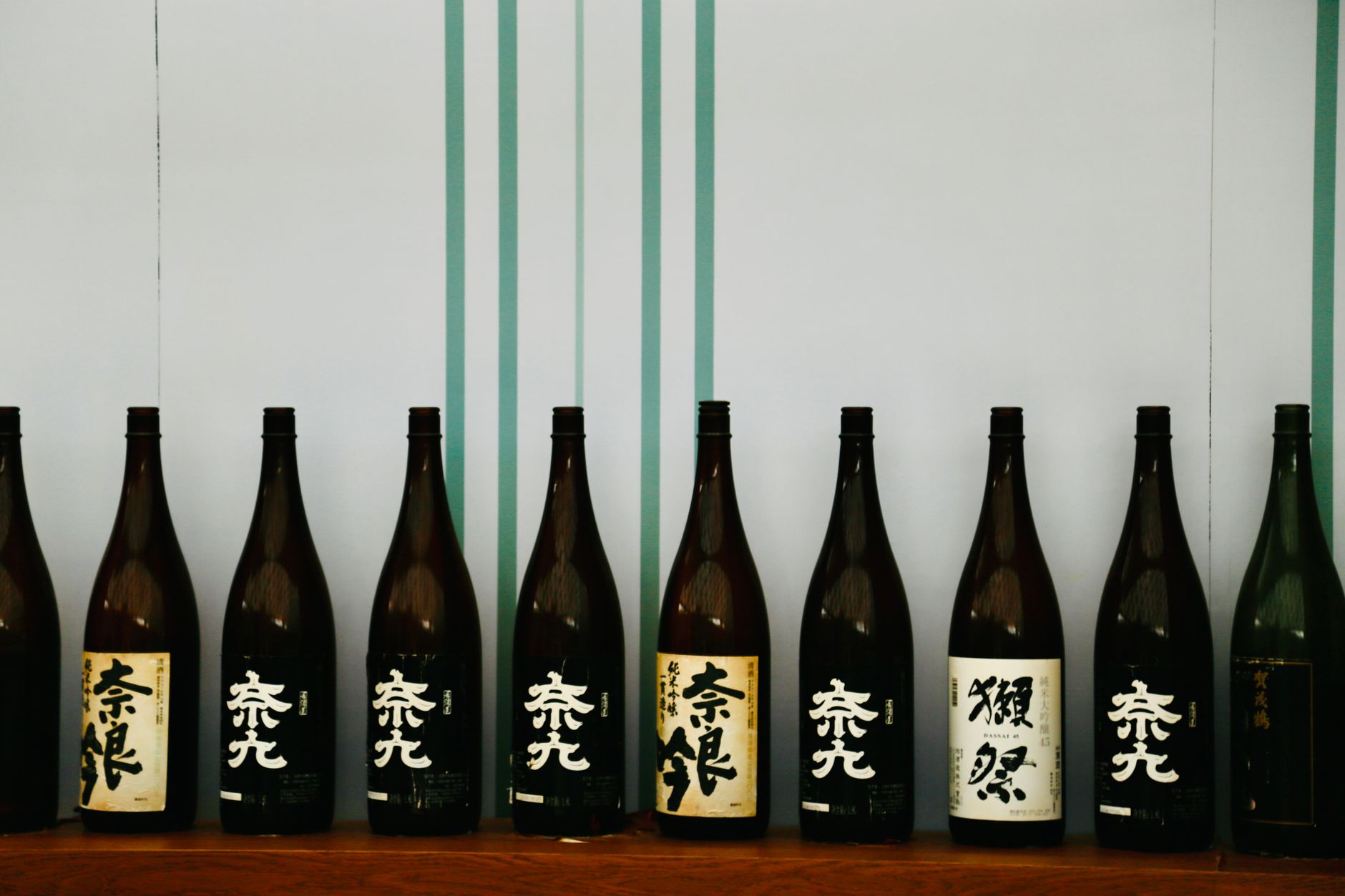
The issue that the number of distribution tiers affects both price and freshness applies equally when buying sake in Europe. When choosing a bottle, check who imported it, whether it was shipped from Japan under refrigeration, and when it was produced. With namazake in particular, differences in temperature control show up directly in the taste. Bottles that arrive chilled can offer a fresh aroma and a light sparkle. How far this American initiative can change price and quality may also be a useful pointer for the future of sake distribution in Europe.
Sources
This article was written by The Sake Wire editorial team, summarising the public sources listed above. Images are our own.
Try Akita sake in the EU — from €6
180 ml tasting bottles and full-size sake, wine, beer and gin, shipped from Amsterdam within the EU.


