From Contract Distilling to Their Own Still: A Gin Made from Local Ingredients Is Born in Kurume
An entrepreneur in Kurume, Fukuoka Prefecture, has obtained a liquor manufacturing licence and begun making craft gin from local ingredients such as bamboo, indigo and cedar in their own distillery.
In Kurume, Fukuoka Prefecture, in the north of Kyushu island in south-western Japan, entrepreneur Yonehiko Takahashi (46) obtained a liquor manufacturing licence on 13 April 2026. Takahashi had until now been planning and selling craft gin made with local ingredients. Because making alcohol in Japan requires a national licence, Takahashi supplied the gin ideas and ingredients but left the distilling alone to a company outside the prefecture. Now, with the opening of the Kouragawa Distillery beside the Kouragawa river that flows through the city, Takahashi can at last distil by hand.
Bamboo, Indigo and Then Cedar

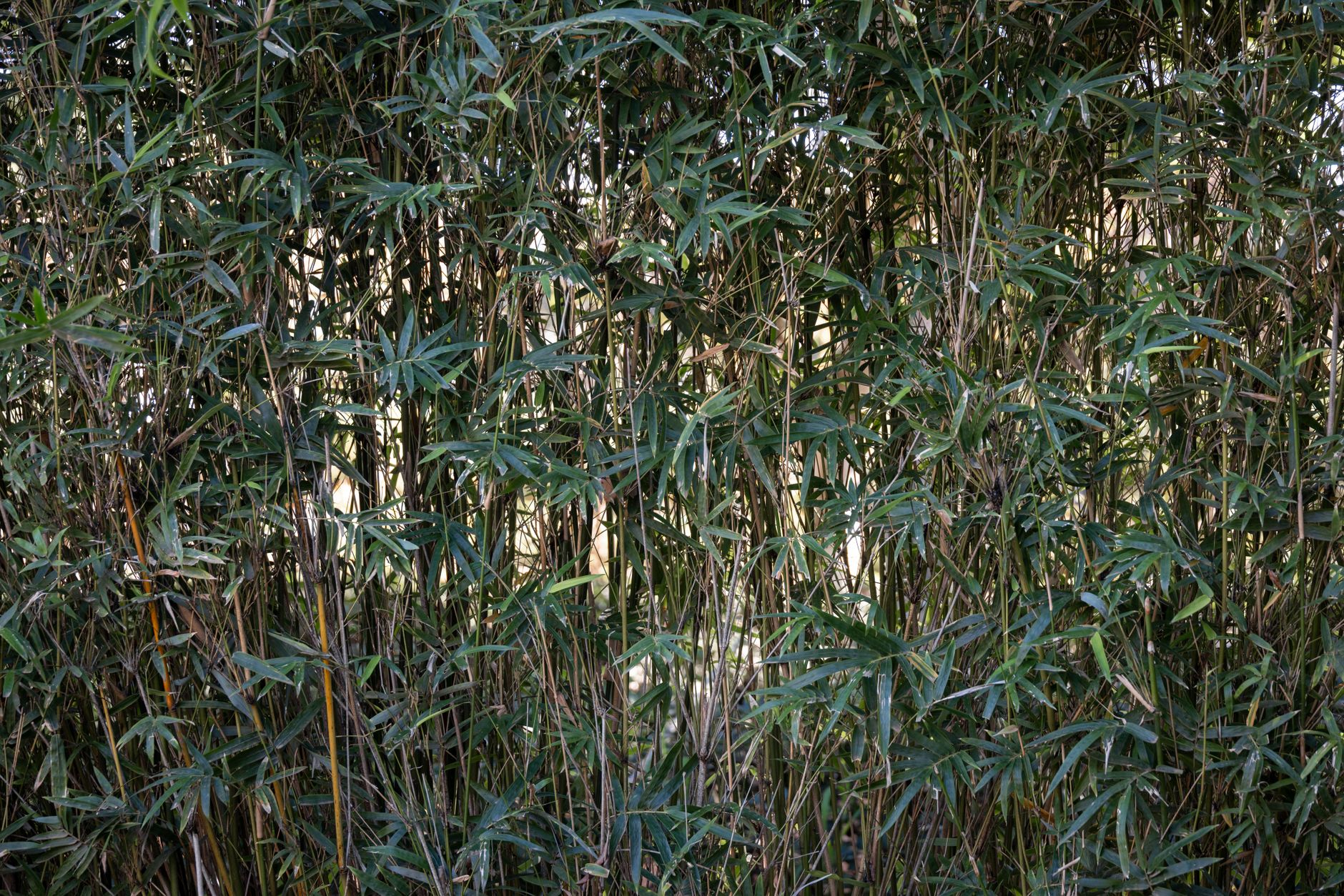
The first product was the “Bamboo Gin”, released in August 2024. Around Mount Kora in Kurume (312 metres above sea level), bamboo groves left untended and overgrown have become a problem. This gin used bamboo thinned and cut there. In January 2025 came the “Indigo Gin”. The indigo used as an ingredient is the same type used to dye Kurume kasuri, a cotton textile designated a national Important Intangible Cultural Property. Both gins were distilled by a company in Numazu, Shizuoka Prefecture.
The First In-House Distillation: Cedar Gin
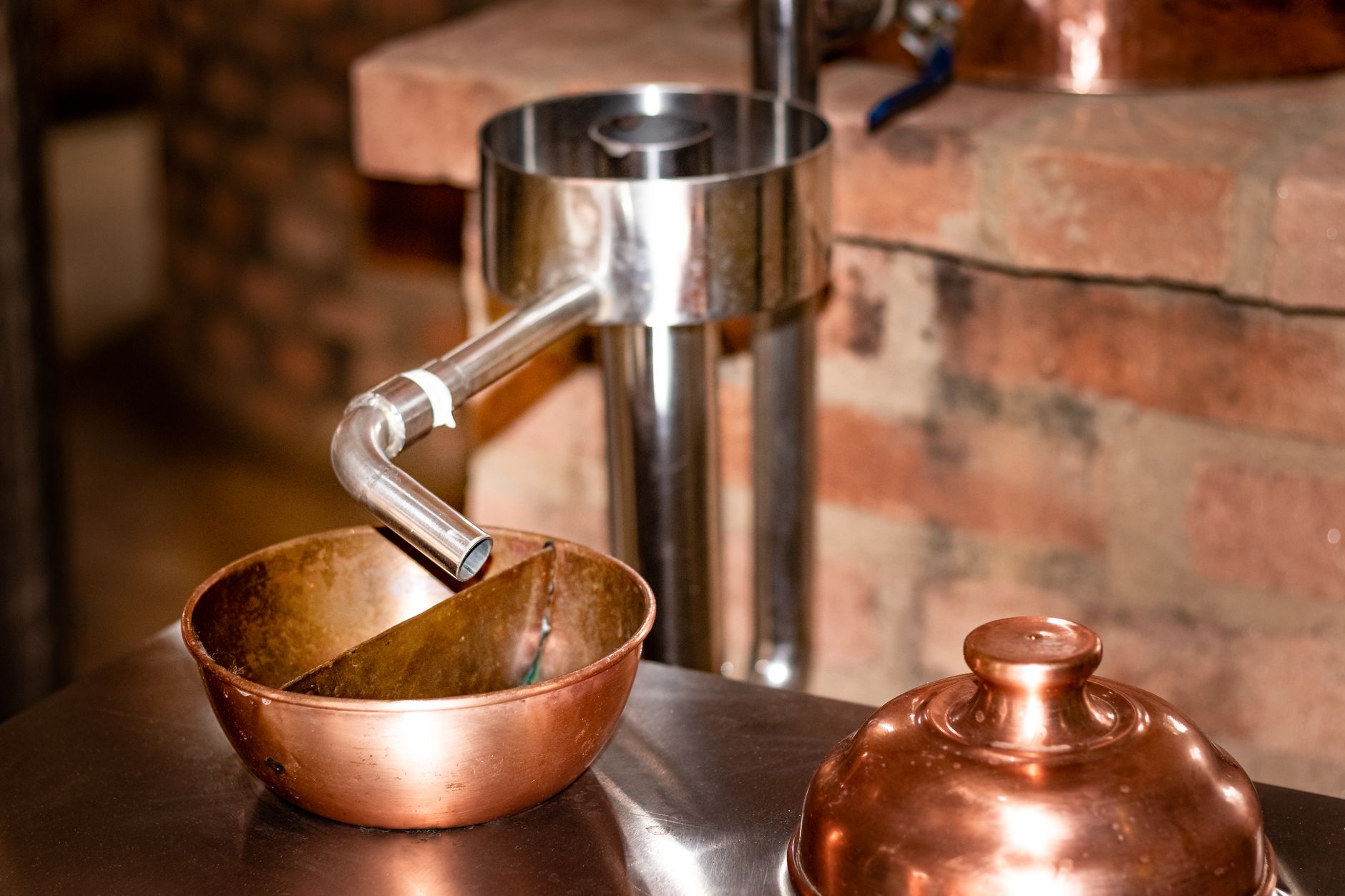
Takahashi had wanted to make gin locally from the start. In December 2025, they converted a warehouse at their family home in Kurume and installed a small still. On 29 April, after obtaining the licence, they distilled a new “Cedar Gin”. The night before, wood chips of Yame cedar, a speciality of southern Fukuoka Prefecture, Japanese black tea (wa-kocha) and various herbs and spices had been steeped in alcohol. When heated in the still, the alcohol turns to vapour, is cooled in a tube and emerges as a clear liquid.
Yame cedar is a wood that has long been used for local crafts and other goods. As forestry declines, mountains are less well tended and the risk of landslides rises. Takahashi sympathises with the view of people in forestry that “protecting the mountains leads to protecting the rivers, the sea and the town”, and so chose this cedar as an ingredient. According to press reports, Takahashi plans to install a larger still and make all of their gins in their own distillery. They are also considering making original gins commissioned by other regions.
The reports do not mention sales in Europe. Even so, this distillery’s progress is worth watching. Japanese craft gin is characterised by pairing juniper berries, which are essential to gin, with plants unique to the region to create individuality. If you come across a Japanese gin, check the label for the botanicals and the name of the distillery. When tasting, first try it neat or with a single ice cube to appreciate the aroma. Then try it with a simple, lightly scented tonic. This makes it easier to see how the notes of wood and tea sit alongside the juniper. It will also be interesting to see how a producer who had outsourced distilling changes their recipes once they have their own distillery.
Sources
This article was written by The Sake Wire editorial team, summarising the public sources listed above. Images are our own.
Try Akita sake in the EU — from €6
180 ml tasting bottles and full-size sake, wine, beer and gin, shipped from Amsterdam within the EU.


