Japan Kokushu Society Launched to Study the Future of Japan's National Drinks Across Industry, Government and Academia
A new society covering sake, honkaku shochu and awamori, the Japan Kokushu Society, held its inaugural general meeting in Tokyo, launching cooperation between breweries, government and researchers.
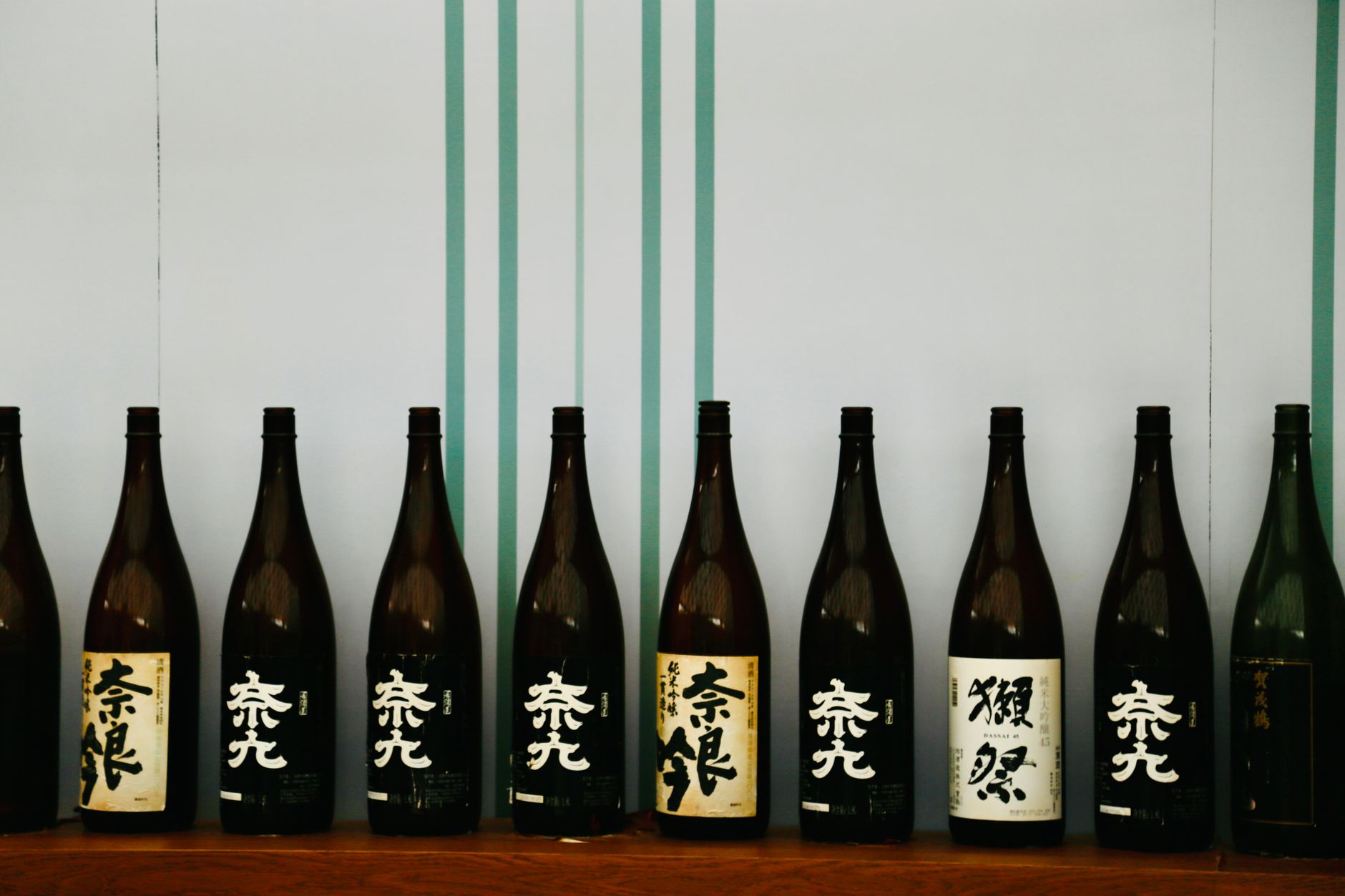
A new forum linking breweries, government and academia
On 3 October, the inaugural general meeting of the Japan Kokushu Society was held in Tokyo, attended by around 100 people from the industry. Representative director Takero Doi gave the opening address. The society’s stated aim is for breweries, government and researchers at universities and elsewhere to work together to develop Japanese drinks as a whole. The Nihon Shokuryo Shimbun article that reported the move was a news flash, and at the time of writing no specific research themes or activity plans had been announced. We will have to wait for further reports for details.
What exactly is “kokushu”?

“Kokushu” (literally “national drinks”) is a collective term for Japan’s traditional alcoholic drinks. It covers sake, a brewed drink made from rice, rice koji and water; honkaku shochu, distilled only once from ingredients such as rice, barley and sweet potato; and awamori, the distilled spirit made in Okinawa. In Europe, sake became well known first, while shochu and awamori are still relatively little known. By putting “kokushu” in its name, the society signals that it intends to treat brewed and distilled drinks within a single framework.
Behind this lies the shrinking of the domestic market in Japan. Domestic sake consumption is falling year by year because of an ageing and declining population, and new initiatives have emerged, such as a Tokyo liquor retailer maturing sake for long periods in its own cold storage and selling it at added value. A forum where producers, government and researchers pool their knowledge is expected to help lay the groundwork for quality research and export strategy.
What European readers should keep an eye on

The new society’s research findings will not reach shop shelves straight away. Even so, it offers a reason to look beyond sake to shochu and awamori. When choosing Japanese drinks at a European liquor shop, look for the words “honkaku shochu” or “awamori” on the label. Shochu can be enjoyed on the rocks, with water or with hot water, and each ingredient’s distinct aroma comes through. Awamori aged for three years or more is called “koshu” (kusu). The rounded smoothness that ageing gives may interest whisky lovers too. If the society publishes research on quality and storage, it could also offer new hints on how to handle and enjoy the drinks that are imported.
Sources
- 日本食糧新聞「【速報】日本國酒学会が設立 産官学連携で業界発展へ」
- SAKE Street「酒販店「IMADEYA」が自社で日本酒を長期低温熟成。酒屋が付加価値をつける「IMADEYA AGING」とは」
This article was written by The Sake Wire editorial team, summarising the public sources listed above. Images are our own.
Try Akita sake in the EU — from €6
180 ml tasting bottles and full-size sake, wine, beer and gin, shipped from Amsterdam within the EU.


