Japan-EU EPA: National Tax Agency Seeks Public Comment on Liquor GI Protection
Japan's National Tax Agency published a draft on protecting liquor GIs under the Japan-EU EPA, taking public comment from 30 April to 1 June 2026.
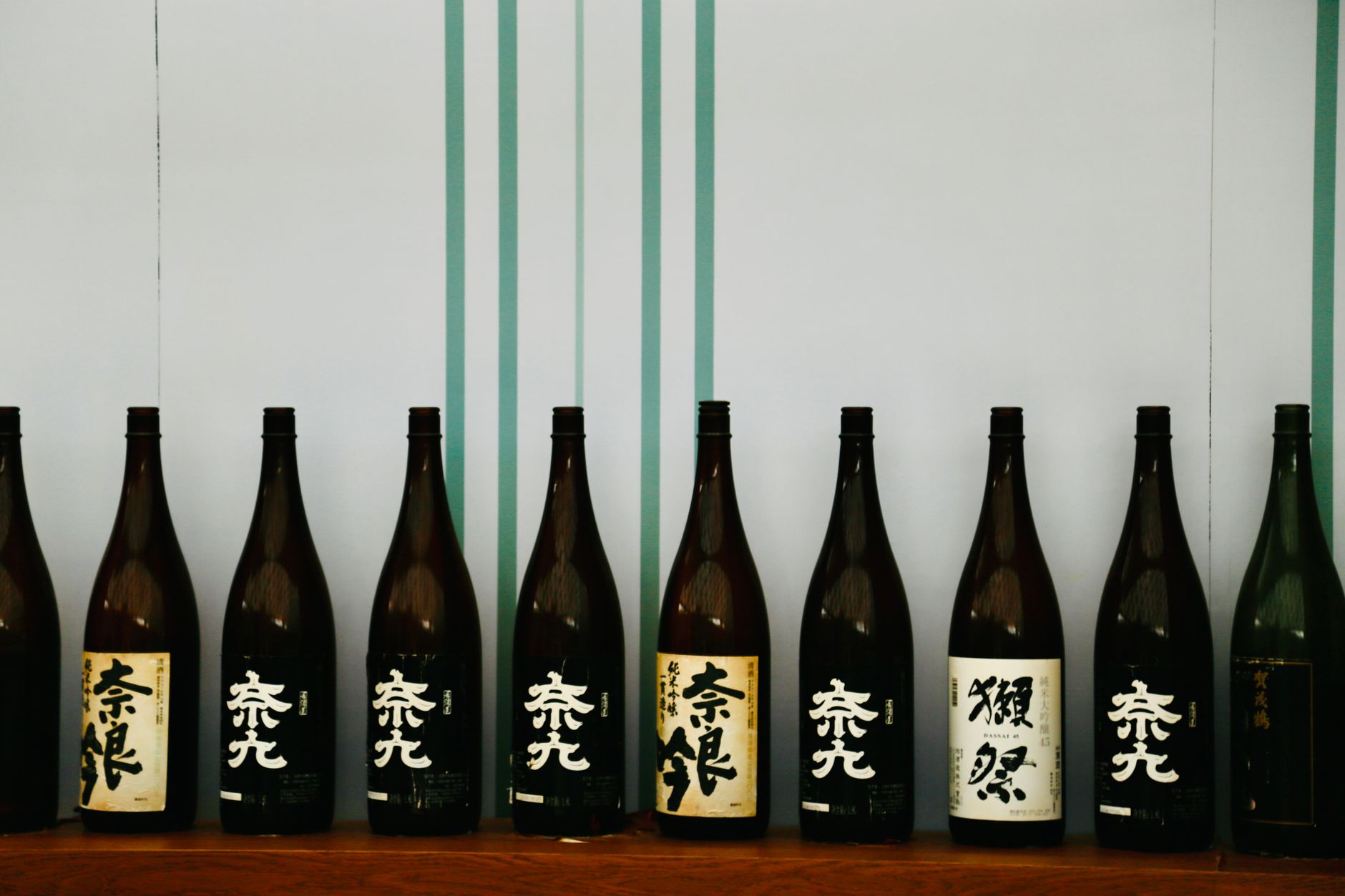
Japan’s National Tax Agency, which oversees liquor taxation and alcohol administration, has held a public comment procedure on the protection of geographical indications (GIs) for alcoholic beverages under the Japan-EU Economic Partnership Agreement (Japan-EU EPA). The draft was published on 30 April 2026, and the period for submitting comments closed at midnight on 1 June. For drinks such as sake and wine, where the name of the place of origin is itself a mark of quality, a GI is a mechanism for protecting that name across borders. It is a procedure that bears directly on the drinks travelling between Japan and the EU.
What was published
What was presented is a draft order on the “protection of geographical indications for alcoholic beverages under the Japan-EU EPA”, accompanied by an annexed list of the indications to be protected. Its basis is National Tax Agency Notice No. 19 of October 2015. It was a formal public comment procedure under the Administrative Procedure Act, and anyone could submit an opinion, not only people in Japan. The responsible office is the Liquor Industry Promotion and Export Promotion Office within the Liquor Tax Division of the Taxation Department at the National Tax Agency. That it falls under a unit handling international negotiations and export promotion shows how closely the matter is tied to trade. This article does not speculate beyond the primary sources about which names appeared on the list or how the matter was finally decided.
How the geographical indication system works

A geographical indication is a system under which only products made in a specific region to set standards may carry that region’s name. European readers will know it from Champagne and Port. In Japan, too, GIs are designated for sake, shochu, wine and other drinks tied to their place of origin. Under agreements such as the Japan-EU EPA, each side promises to protect the other’s place names in its own market. Within Japan, EU place names are protected from imitation in shops, and in the EU market, Japanese place names are protected in return.
What European readers may want to watch

When you buy Japanese drinks in Europe, the place name or GI mark on the label is a clue that the drink meets the standards of that region. If you spot a place of origin on the label of an imported bottle, one way to enjoy it is to compare drinks while looking for the character of the local rice, water and climate. If the scope of protection keeps widening through procedures like this one, it may become easier in Europe to tell genuine products of a named region apart. When the National Tax Agency publishes the outcome, keep an eye on which names have been newly added.
Sources
This article was written by The Sake Wire editorial team, summarising the public sources listed above. Images are our own.
Try Akita sake in the EU — from €6
180 ml tasting bottles and full-size sake, wine, beer and gin, shipped from Amsterdam within the EU.


