Toyohashi's First Winery Born Through Special Zone Scheme
Toyohashi in Aichi Prefecture has its first winery, and small-scale “Toyohashi Wine” made from grapes and sweet Jiro persimmons has begun.
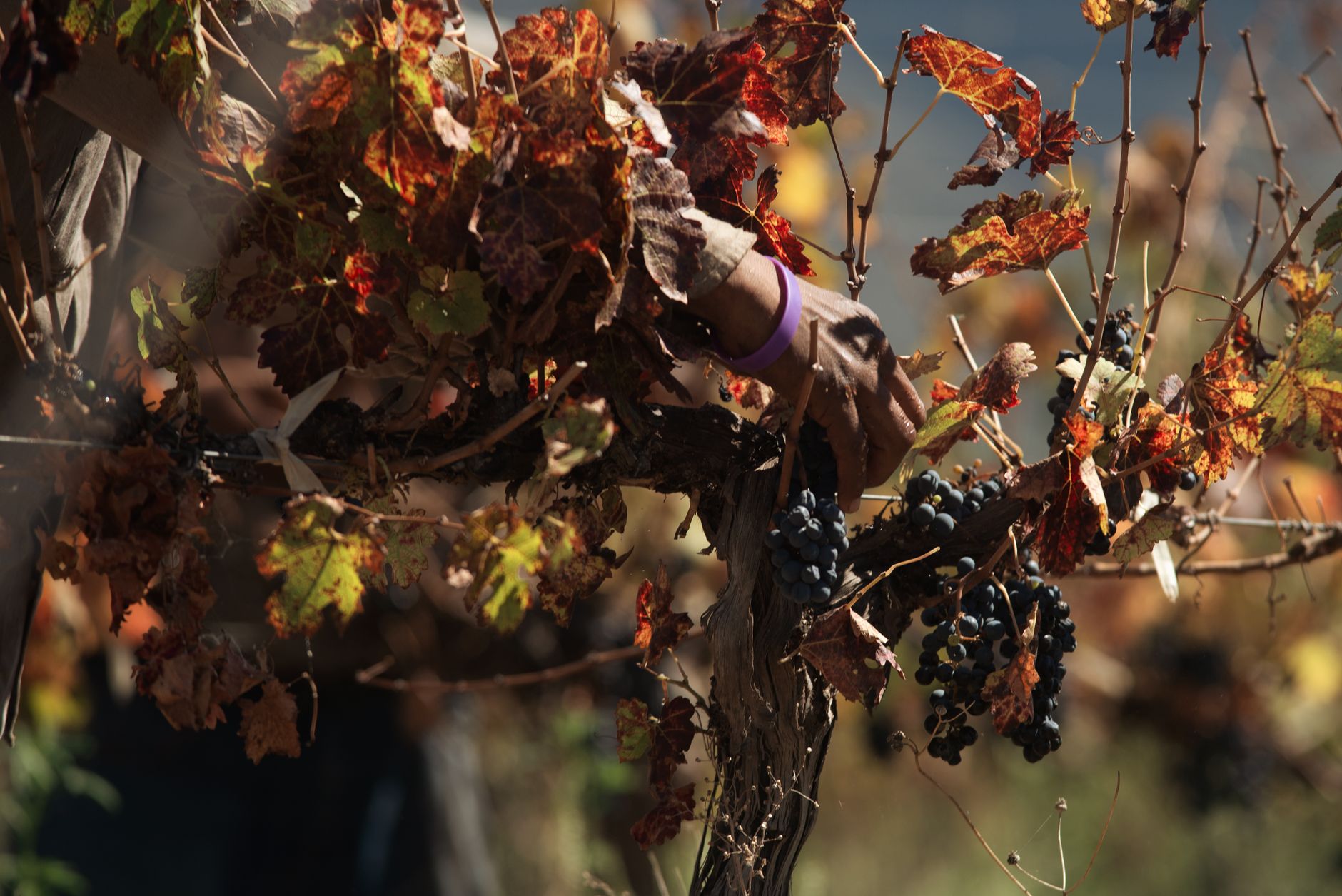
In Toyohashi, in Aichi Prefecture, roughly midway between Tokyo and Osaka in central Japan, the city’s first winery, Toyohashi Winery Chiroru, has been completed. The orchard company behind it began brewing on 8 August 2026. Using the nationally approved “wine special zone” scheme, it is launching a brand called “Toyohashi Wine” from grapes and persimmons grown on its own land. Across Japan, systems that let even very small producers make wine are spreading through rural areas, and this story is one example.
The “Wine Special Zone” Lowers the Scale Barrier

To obtain a wine-making licence in Japan, a producer normally has to make 6 kilolitres a year, a threshold too high for a small orchard. In June 2025, Toyohashi was certified by the national government as a “wine special zone”, the fourth city in Aichi Prefecture to be so designated. Within the zone, the threshold falls to 2 kilolitres a year.
Until now, the orchard’s grapes were turned into products by commissioning a winery in Komaki, elsewhere in the prefecture. With its own winery in place, it can now sell wine it makes itself as “Toyohashi Wine”. The company’s president, Koji Iwase, had been planning a winery for about 10 years. For good luck, he chose the first day of brewing to fall on “Reiwa 8, 8th month, 8th day”.
Starting with Rosé, Then a White Wine from Persimmons

The winery is a two-storey wooden building equipped with a press for crushing fruit and tanks for holding the juice. Local firms built the building and installed the equipment. On completion day, nearby residents were invited to try pressing grapes themselves. After several months of fermentation, about 200 bottles of rosé are due to go on sale at restaurants in the city in January 2027.
The company then plans to make a white wine from Jiro persimmons and a red wine from muscat grapes. The Jiro is a leading variety of sweet persimmon that needs no de-astringing, and wine made from persimmons is still rare. Local residents will design the labels. Going forward, the company intends to use grapes and persimmons grown by other farms in the city as well. Because fruit destined for processing can be used without waste, this may become a new source of income for farmers struggling with factors such as soaring fuel costs.
A Note for European Readers

The first 200 bottles will be sold only at local restaurants, so there is no prospect of finding them in Europe for the time being. Even so, the story offers a clue to understanding Japanese wine. As the rules have changed, small wineries are emerging that use not only grapes but also local fruit such as persimmons. When you look for Japanese wine in Europe, check the ingredients on the back label, which says what fruit was used and where it was grown. If persimmon wine is ever exported, it would be interesting to taste it alongside European ciders and perries.
Sources
This article was written by The Sake Wire editorial team, summarising the public sources listed above. Images are our own.
Try Akita sake in the EU — from €6
180 ml tasting bottles and full-size sake, wine, beer and gin, shipped from Amsterdam within the EU.


