Tateyama reinterprets genever, the forerunner of gin, with sandalwood and sencha in a new release
TATEYAMA BREWING in Tateyama, Chiba, launched TATEYAMA GIN Genever Style 01, a new gin inspired by Dutch genever-making, on World Gin Day.
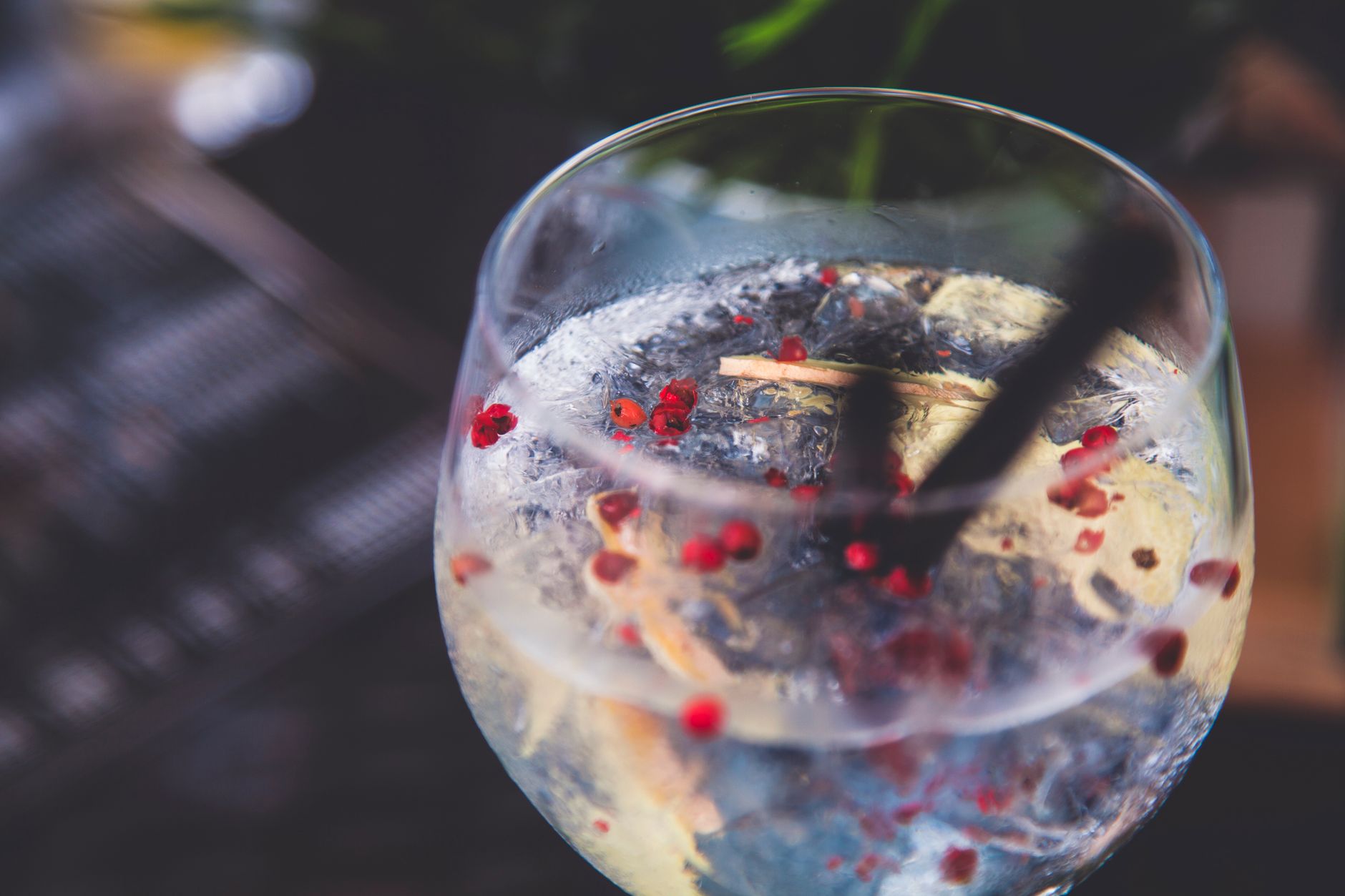
TATEYAMA BREWING Co., Ltd., which makes the craft gin TATEYAMA GIN in Tateyama, Chiba Prefecture, at the southern tip of the Boso Peninsula south-east of Tokyo, released a new gin, “TATEYAMA GIN Genever Style 01 — Sandalwood × Sencha”, on 13 June 2026. 13 June is World Gin Day. Taking the way genever, regarded as the original gin, is made as a starting point, the Japanese distillery has rebuilt it with its own interpretation, which should be of interest to readers in the Netherlands and Belgium who have grown up with genever.
Reading the genever method the Tateyama way
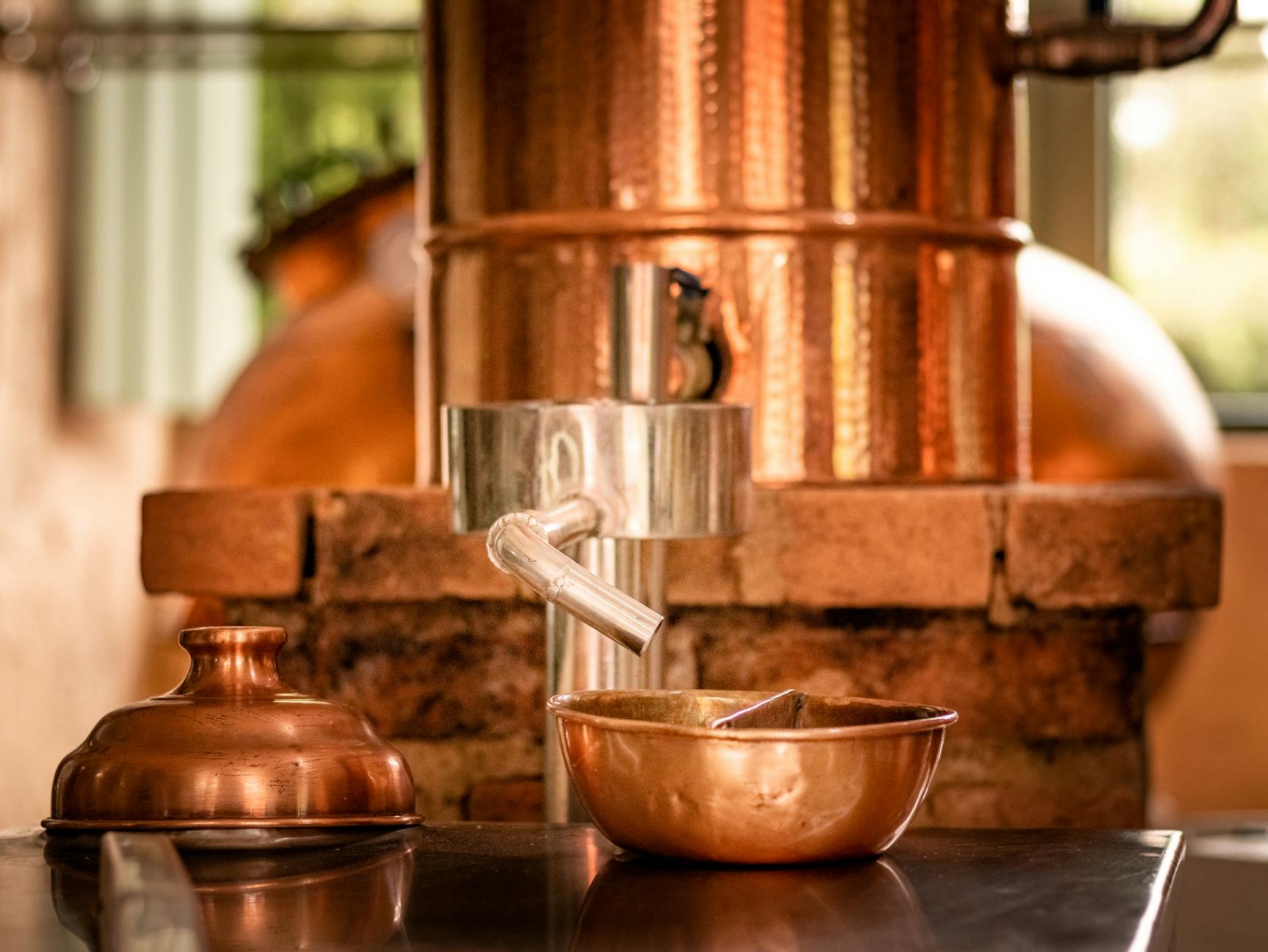
The hallmark of genever is that a fermented grain mash is distilled, then more fermented mash is added and distilled again, and the process is repeated. This produces a “malt wine” that retains plenty of grain flavour, which is finally distilled together with botanicals (aromatic plants) to finish. Inspired by this approach, TATEYAMA BREWING has developed its own “genever style” from a contemporary perspective. The base is corn grits (coarsely ground maize) from Hokkaido. Among grains, they chose it because it offers a good balance of richness and sweetness and can bring out a genever-like character.
A fragrance led by sandalwood and sencha

The stars of this first release in the series are sandalwood and sencha, the green tea drunk every day in Japan. The full, rich body from the corn is layered with sandalwood’s milky, woody aroma and the fresh, green scent of young sencha leaves. Strawberry fruitiness, the refreshing quality of kuromoji (a Japanese aromatic wood, sometimes called the Japanese spicebush) and the clean lingering finish left by shiso (a Japanese herb) add depth to the aroma. It is classified as a spirit, comes in a 500 ml bottle at 45% ABV, and costs 7,700 yen including tax in Japan. It is sold through the distillery’s online store.
How to enjoy it in Europe
No sales in Europe have been announced so far, so you will need to wait for further news before you can get hold of a bottle. The distillery’s official Instagram shares news of new releases and glimpses of production, so following it is an easy way to keep up. If you do get the chance to try it, it will be worth noting how the aromas of sandalwood and sencha come together. Tasting it alongside Dutch genevers such as Jonge and Oude may show what difference corn and Japanese plants make when starting from the same idea. The “01” in the name suggests a series may follow, so the combinations to come are also worth watching.
Sources
This article was written by The Sake Wire editorial team, summarising the public sources listed above. Images are our own.
Try Akita sake in the EU — from €6
180 ml tasting bottles and full-size sake, wine, beer and gin, shipped from Amsterdam within the EU.


