Shikoku's sake exports hit a record high as customs joins in to make use of the Japan-EU EPA
Exports of Shikoku-made alcohol hit a record high last year, and Kobe Customs joined the Takamatsu Regional Taxation Bureau's liaison meeting for the first time to support use of the agreement and cus

Shikoku, the smallest of Japan’s four main islands, is made up of four prefectures: Kagawa, Tokushima, Ehime and Kochi. The body responsible for alcohol administration in the region is the Takamatsu Regional Taxation Bureau, a regional office of the national tax authority, which supervises sake brewing and also plays a role in promoting the industry. On 9 June 2026 the bureau held, in open format, its 14th Liaison Meeting on Promoting Alcohol Exports. The backdrop is a tailwind: last year’s exports of alcohol made in Shikoku reached a record high.
Stakeholders gather after record-breaking exports
The meeting was run with officials of the taxation bureau serving as moderator and chair. In addition to a report on the current state of exports and an explanation of the various support measures offered by the authorities, the brewers’ associations of each prefecture (industry bodies made up of breweries) presented their own initiatives, and participants exchanged views. Agricultural administration and transport bodies, along with some Ehime Prefecture agencies and local authorities, took part online. The trade paper Jokai Times, which reported on the meeting, said it would publish a more detailed prefecture-by-prefecture analysis separately.
Kobe Customs attends for the first time, backing the EPA and AEO
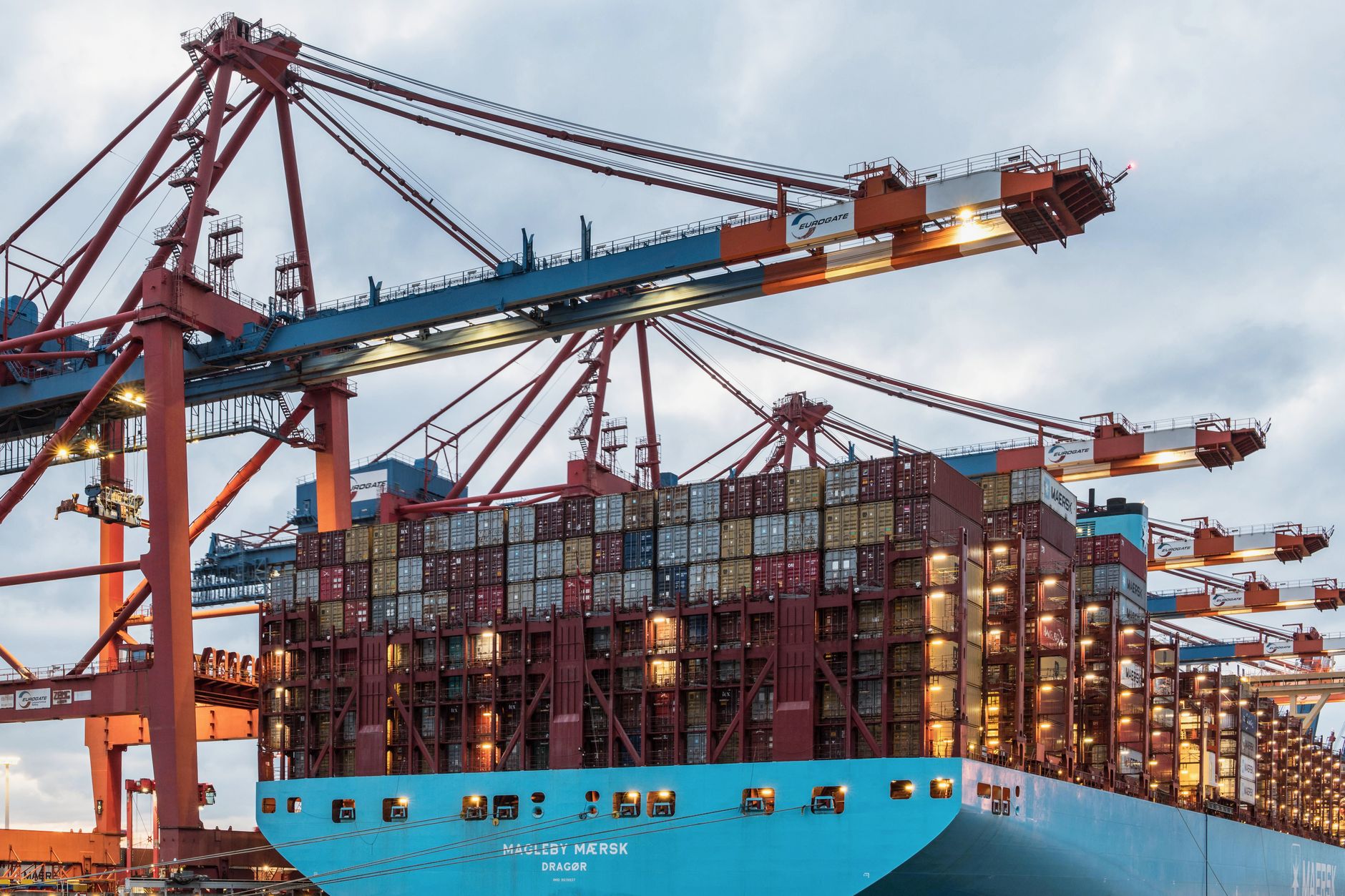
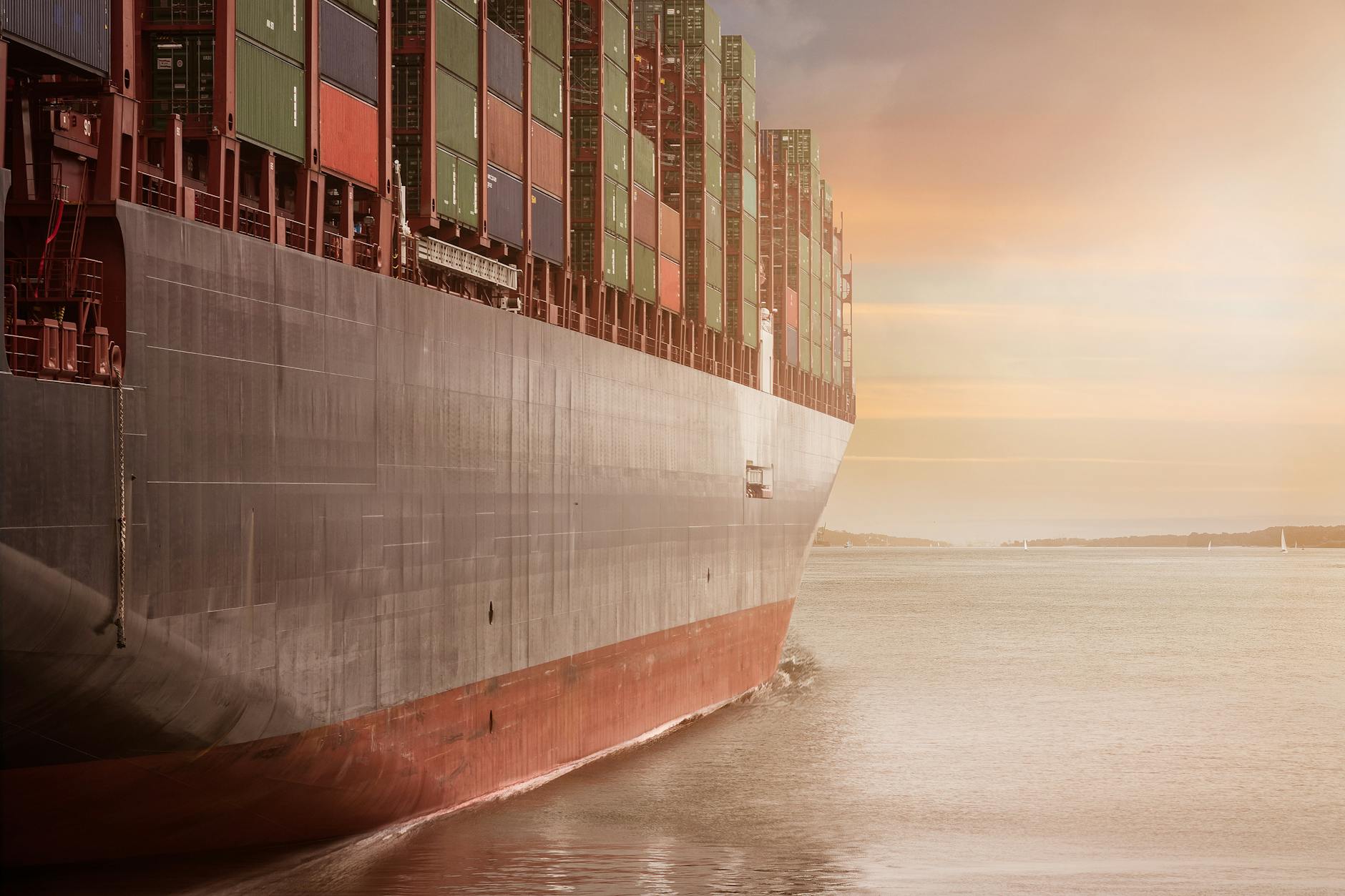
The most notable feature this time was that Kobe Customs attended for the first time. Its aim is to support the use of the EPA (Economic Partnership Agreement) and the AEO (Authorised Economic Operator) system. An EPA is an agreement between countries that abolishes or reduces tariffs. The one between Japan and the EU entered into force in 2019, and the EU’s import duties on products such as sake were abolished. However, to receive the preferential treatment, procedures relating to origin are required, which can be a burden for smaller breweries. The AEO system simplifies customs procedures for operators whose cargo security management and legal compliance arrangements have been recognised by customs, and Japan and the EU mutually recognise each other’s schemes. Having a forum in which regional brewers can speak directly with customs is a step towards supporting the practicalities of shipping to Europe.
Enjoying Shikoku’s sake in Europe
If you are looking for sake from Shikoku, look for the prefecture names Kagawa, Tokushima, Ehime and Kochi on the label or in the importer’s product description. Even on the same island, the character of the sake differs by prefecture and by brewery, so tasting several side by side will reveal the region’s individuality. As the abolition of tariffs and customs support advance, small-batch regional sake may well appear on European shelves more often. Ask specialist shops and online retailers about the origin, and notice how the aroma and flavour change in the glass as the temperature rises.
Sources
- Jokai Times, “Takamatsu Regional Taxation Bureau’s 14th Export Promotion Liaison Meeting: Shikoku exports also at a record high; Kobe Customs joins for the first time on EPA and more”
Sources
This article was written by The Sake Wire editorial team, summarising the public sources listed above. Images are our own.
Try Akita sake in the EU — from €6
180 ml tasting bottles and full-size sake, wine, beer and gin, shipped from Amsterdam within the EU.


