Sake and Shochu Head to India, an Emerging Market
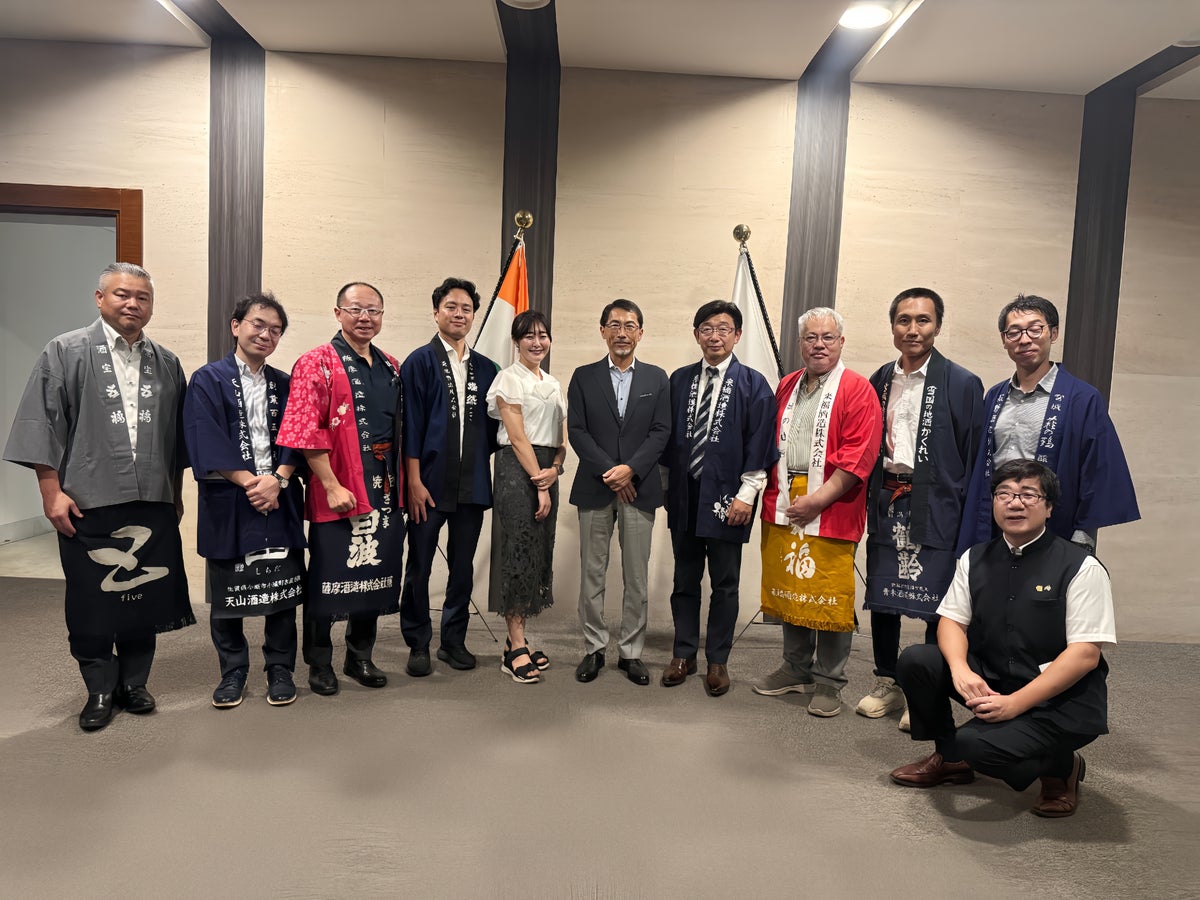
On 5 August, nine Japanese breweries presented sake and shochu to India's hospitality trade at a promotion held at the Embassy of Japan in New Delhi.

Nine breweries gather at the embassy
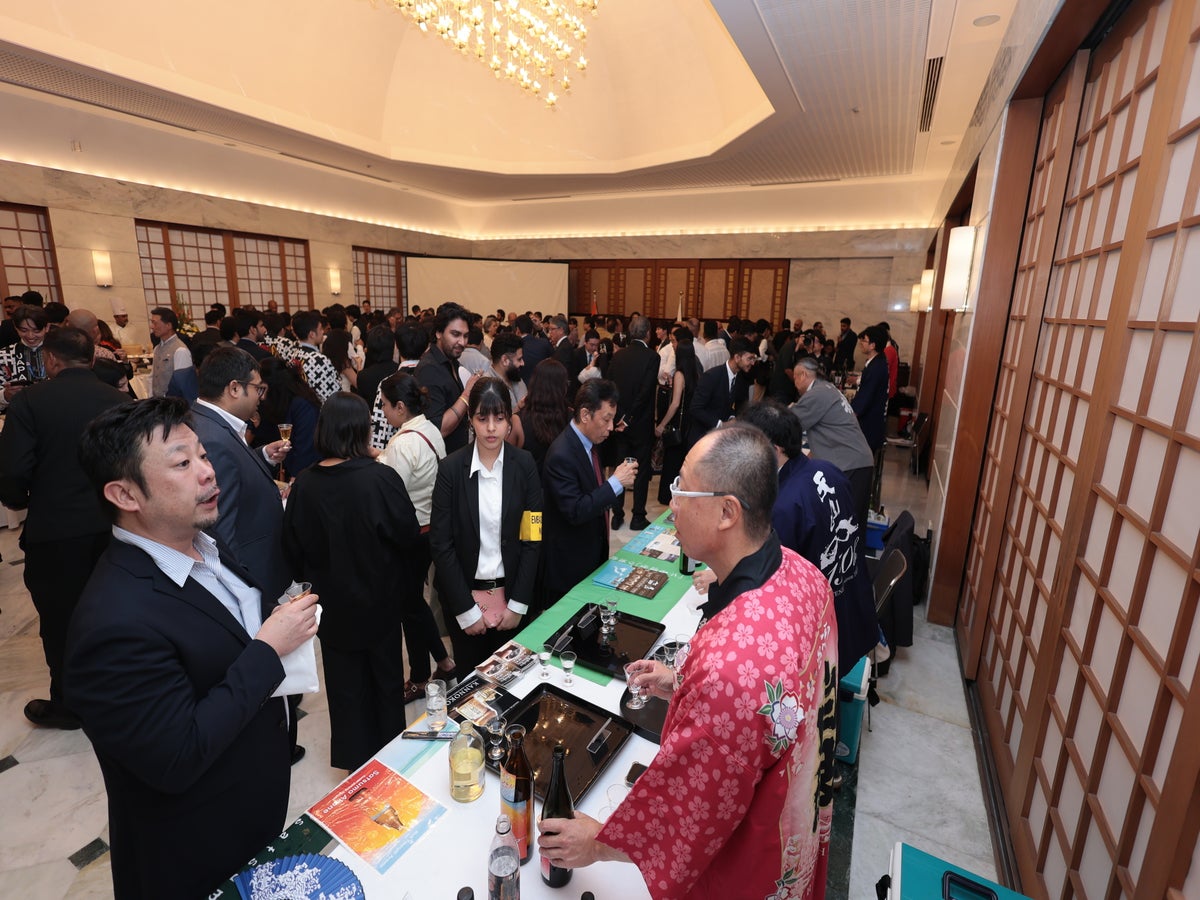
On 5 August 2026, a promotion for sake and shochu was held at the Embassy of Japan in India in the capital, New Delhi. It was the opening event of Japan Month, a period dedicated to deepening exchange between Japan and India. Shochu is a Japanese distilled spirit made from ingredients such as rice, barley and sweet potato. Indian government officials, representatives of hotels and restaurants, importers and members of the media came to the venue. The nine breweries from across Japan that took part each explained how they make their drinks, how their flavours differ and how their brands came about. What interested visitors most was how well sake pairs with Indian food, and its potential as a premium drink.
Presenting sake as culture
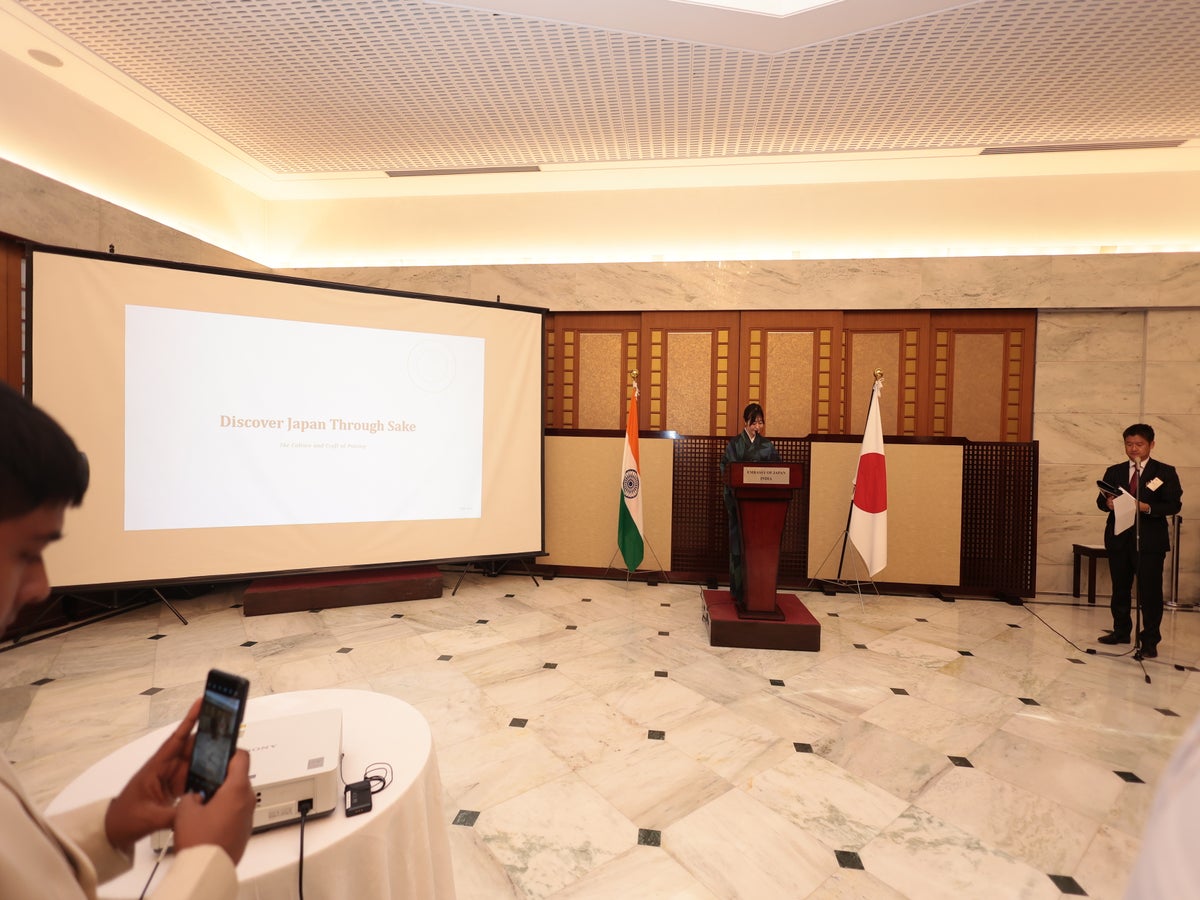
Support for building sales channels and for the promotion came from Nihonshu ni Shiyou Inc. of Tokyo. Founded in 2018, the company runs a sake subscription service in Japan. With bases in Japan and India, it also helps spread Japanese sake and food products overseas. On the day, chief executive officer (CEO) Asa Takaoka took the stage to convey the regional character of sake and the thinking of the people who make it. The aim was to present sake not merely as a drink but together with the culture and stories behind it, helping local buyers to understand it better. The event was also covered by NNA India, the Japanese-language business news service for India, and by Jiji Press.
A big market, a high barrier
India is the most populous country in the world. As the number of wealthy and middle-class people grows, interest in Japanese food and sake is rising, particularly at high-end hotels and restaurants. For Japanese producers hoping to enter India, however, there are many hurdles to clear, including market research, compliance with import and sales regulations, finding local partners and building awareness. Through promotions at hotels and restaurants and training for staff, the company aims to nurture brands that sell over the long term rather than just once.
Until now, the main export destinations for sake have been the United States and Asia. India is now emerging as a new market alongside them. For European readers, the pairing of sake with spicy dishes may be of particular interest. Many European cities have Indian restaurants. One could serve a umami-rich junmai sake (sake brewed only from rice and rice koji) slightly chilled with curry or tandoori dishes, or mix a crisp shochu with soda, among many possible pairings. How Indian hotels and restaurants go on to suggest such combinations will also be worth watching.
Sources
- Nihonshu ni Shiyou (PR TIMES), “Nihonshu ni Shiyou Inc. supports sake and shochu promotion hosted by the Embassy of Japan in India” https://prtimes.jp/main/html/rd/p/000000007.000059031.html
Sources
This article was written by The Sake Wire editorial team, summarising the public sources listed above. Images are our own.
Try Akita sake in the EU — from €6
180 ml tasting bottles and full-size sake, wine, beer and gin, shipped from Amsterdam within the EU.


