Gin Made from Waste Bread: Kiuchi Brewery's Bé-Gin
Kiuchi Brewery in Ibaraki has begun selling Bé-Gin online, a craft gin distilled from bread trimmings from chef Natsuko Shoji's café.

Kiuchi Brewery in Naka, Ibaraki Prefecture, north-east of Tokyo, is a long-established maker of the sake Kikumori, the craft beer Hitachino Nest Beer and Hinomaru Whisky. On 10 September 2026 it put on sale, through its own online shop, a craft gin developed jointly with chef Natsuko Shoji: Hinomaru Gin Bé-Gin. Its raw material is bread trimmings that would otherwise be thrown away. Upcycling food waste into alcohol is a growing trend in Europe too. Here is how one of Japan’s top chefs and a sake brewery approached the theme.
Distilling the Leftovers of a Luxury Kitchen

Natsuko Shoji is known in Japan and abroad as the first Japanese woman to receive the title of Asia’s Best Female Chef. The project centres on the “Blue Box Café by Natsuko Shoji”, which opened in July 2025 under her supervision. The bread trimmings produced during cooking are collected, and Kiuchi Brewery distils them to form the base of the gin. Shoji visited the production site herself to check the condition of the ingredients and the process. According to Shoji, she wanted to take responsibility for the surplus resources generated at the forefront of the high-end food world. She also felt that, because this is a product born of luxury, speaking out about it could prompt many people to change their outlook.
A 35% Spirit with Ibaraki Mandarin

For a flavour accent, the producers used Fukurai mikan, a citrus fruit grown in Ibaraki, as a botanical (a plant ingredient used for aroma). It adds a fresh fragrance. The bottle holds 700 ml, the strength is 35% ABV, and the price is 4,400 yen including tax (the wooden box costs extra). In Japan it is classed as a “spirit”. In the EU, a drink needs an ABV of at least 37.5% to be labelled “gin”, so the name may change if it is sold in Europe.
Part of the online sales will be donated, through the Naka City Council of Social Welfare, to “kodomo shokudo” (children’s canteens) in the city. Kodomo shokudo are privately run initiatives that serve free or low-cost meals to local children, and they have spread across Japan. The donation is planned for around winter 2027.
Enjoying It in Europe
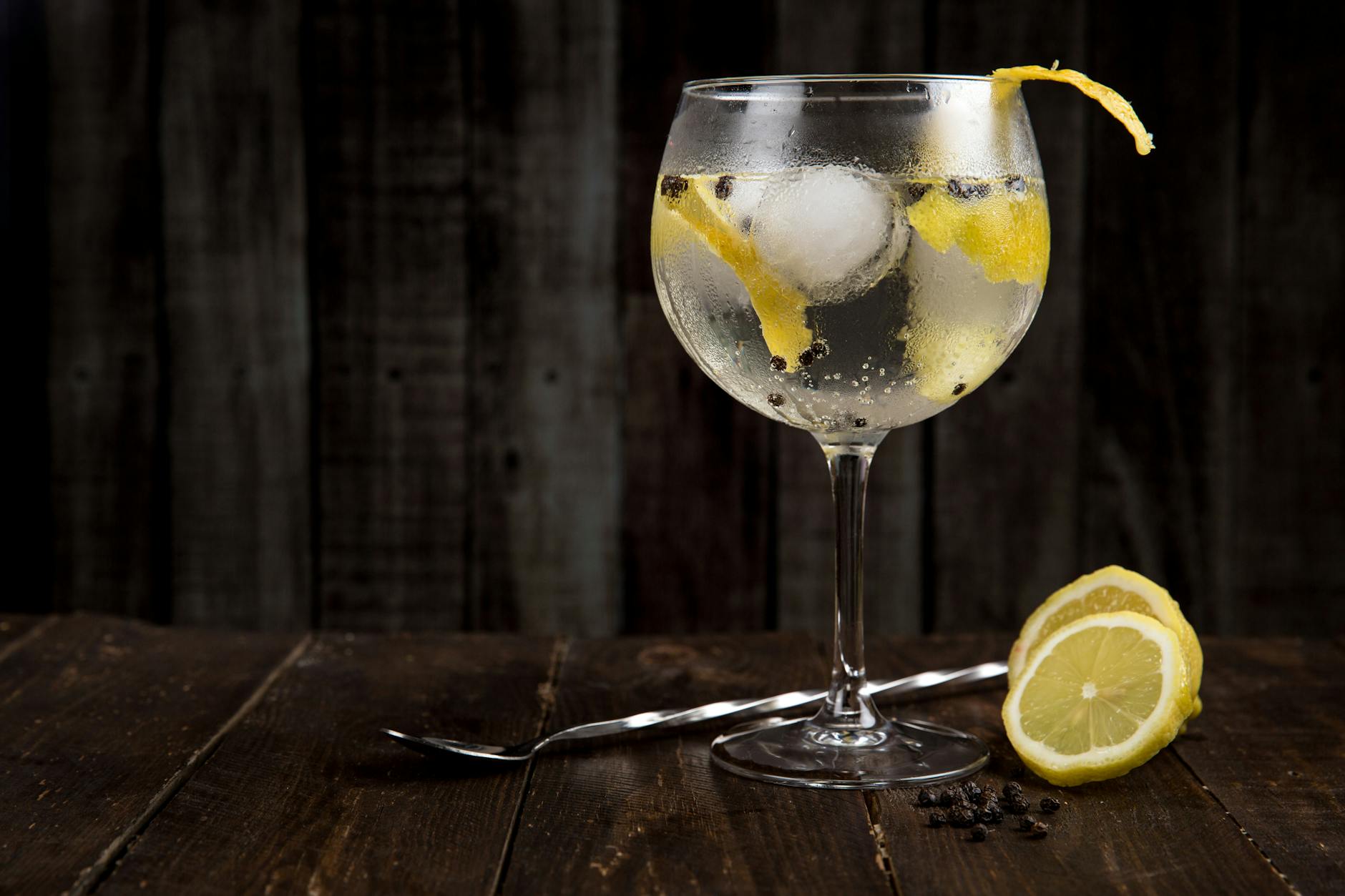
At launch, the gin was sold only through Kiuchi Brewery’s online shop for Japan. For European readers, it is worth noting as an example of how Japanese drinks-making approaches sustainability. If you get the chance to try it, start by drinking it neat or on the rocks, and see how the cereal-like aroma from the bread layers with the bright scent of mandarin. In a gin and tonic, a little citrus peel should bring out its character. Making beer and spirits from bread is also a movement in Europe, so it could be fun to compare it with local examples.
Sources
This article was written by The Sake Wire editorial team, summarising the public sources listed above. Images are our own.
Try Akita sake in the EU — from €6
180 ml tasting bottles and full-size sake, wine, beer and gin, shipped from Amsterdam within the EU.


